
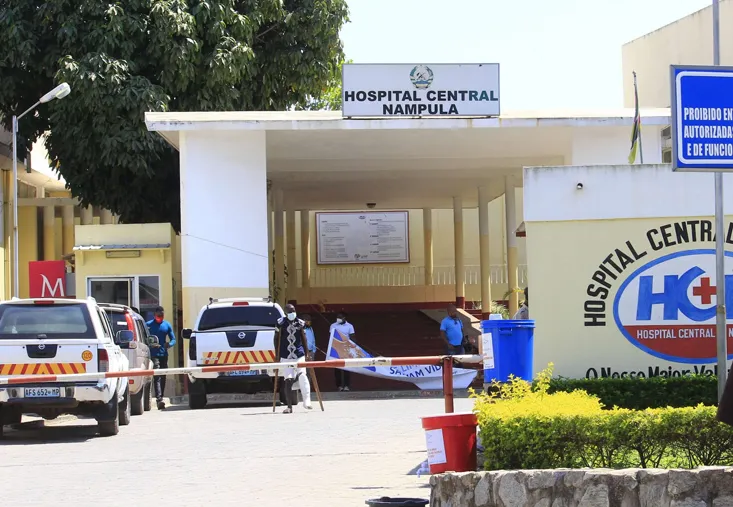
Nampula, one of Mozambique's most populous provinces, is facing an alarming increase in cases of stroke, a disease that has proved fatal and disabling for many of its inhabitants. According to Dr Frederico João Sebastião, a renowned neurologist in the region, the number of cases and deaths related to this condition has been growing worryingly.
Between January and September this year, Nampula Central Hospital recorded 276 cases of stroke, of which 33 resulted in death. These figures represent a significant increase on the same period of the previous year, which saw 75 cases and 11 deaths. Dr Sebastião warns of the seriousness of the situation and points to the main risk factors associated with this disease: high blood pressure, diabetes, excessive alcohol consumption, smoking and the use of illicit drugs.
"Prevention is our best weapon against stroke. It is essential that the population is aware of the risks associated with these behaviours and adopts a healthier lifestyle", says the doctor. He recommends reducing salt consumption, regular physical exercise and abstaining from alcohol and tobacco as effective measures to reduce the incidence of the disease.
Stroke chooses neither age nor sex, affecting both the rural and urban populations in Nampula. However, Dr Sebastião stresses that many patients arrive at health facilities in an advanced stage of the disease, after resorting to traditional healers, which complicates treatment and reduces the chances of recovery.
A stroke occurs when there is an interruption of blood flow to part of the brain, resulting in brain damage and, often, permanent disability. The disease has become one of the leading causes of death and disability worldwide, and Mozambique is no exception.
Last Sunday, 29 October, World Stroke Day was celebrated, an opportunity to reflect on the importance of prevention and access to adequate healthcare. In Nampula, the fight against this deadly disease continues, with health professionals on the front line, working tirelessly to reverse this worrying trend.


