
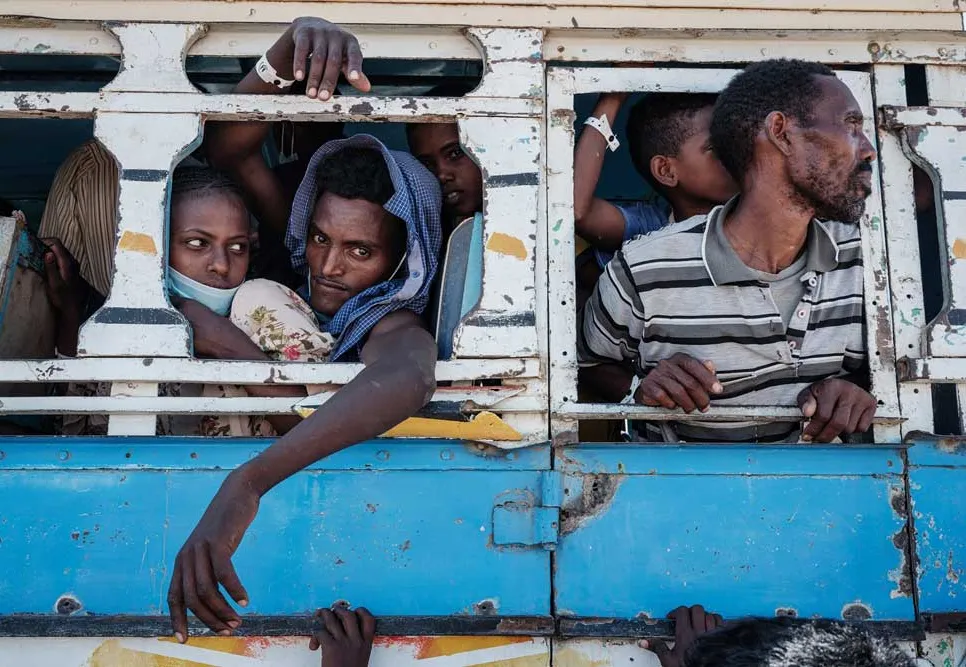
Over the past six years we have seen a 51% decrease in the number of refugees choosing Mozambique as a destination for asylum, according to the head of the National Institute for Refugee Support. Contrary to the trend of half a dozen years ago, the preference for Mozambique as a host nation for refugees and asylum seekers has been declining.
To date, Mozambique hosts about 28,000 people with refugee or asylum-seeker status, of whom at least seven thousand are estimated to live in Maratane, currently the only refugee camp in the country. It is located in Nampula province, in northern Mozambique.
Most of those seeking refuge and safety on Mozambican soil come from the Great Lakes region and the Horn of Africa, with people from the Democratic Republic of the Congo, Burundi, Rwanda and Somalia being particularly prominent.
The head of the National Institute for Refugee Support pointed to several factors to explain the fall in the number of refugees in Mozambique. One of these is the increase in requests for voluntary repatriation, especially from residents of the Maratane centre. The institution has been responding to these requests, acting in coordination with the United Nations High Commissioner for Refugees (UNHCR).
The drop in demand has prompted reflection on the need to review the refugee reception system implemented by the government, in order to adjust it to current reality. This change could also imply a reassessment of the sustainability of the Maratane centre.
Despite the fall in the number of refugees, the UNHCR representative in Mozambique, Samuel Chakwera, highlighted the favourable protection environment that exists in the country for refugees. According to Chakwera, most refugees or asylum seekers hold identity documents, allowing them to move freely.
Asked about the situation of internally displaced people as a result of the armed conflict in Cabo Delgado, Chakwera said that the focus remains on providing shelter. UNHCR has been working with partners in areas such as the management of refugee centres and the provision of shelter, with an emphasis on protecting people in Cabo Delgado.
Cabo Delgado province has been the scene of an armed insurgency for the past five years, with some attacks claimed by the extremist group Islamic State. This conflict, which led to a military intervention supported by Rwanda and the Southern African Development Community (SADC), has displaced one million people, according to the United Nations, and caused about 4,000 deaths, according to the conflict-monitoring project ACLED (Armed Conflict Location & Event Data Project).


