
Despite regional initiatives and increased surveillance, Mozambique continues to face serious difficulties in combating illegal fishing, a phenomenon that compromises not only fishing resources but the entire structure of its blue economy. This was stated on Thursday in Maputo by the national director of Maritime Affairs, Felismina Antia, during the Annual Meeting between the Government and Civil Society Organisations working in the Marine and Coastal Area (Gosmar).
“Lately it is hard to talk about numbers, because we have already talked about millions of dollars a year; today we look at the level of damage, not only to fish production, but to an entire blue economy that is affected by illegal fishing”, said the official, stressing the cross-cutting dimension of the problem.
Illegal fishing directly affects fragile ecosystems such as coral reefs and mangroves, but it also triggers a cycle of offences ranging from the invasion of maritime territory to trafficking, putting state revenue and marine biodiversity at risk. One of the biggest concerns relates to so-called “ghost nets”, equipment discarded at sea that worsens marine litter and endangers ocean life.
“It is an impact on marine life, on the quality of life of the world’s oceans in general”, Antia stressed, noting that the phenomenon crosses borders and demands coordinated responses.
Despite progress, such as the regional centre set up in October to monitor fishing activity among SADC countries, the country still lacks the technical and operational capacity to guarantee effective surveillance, especially of industrial fishing, which operates in areas further from the coast.
“We have artisanal, semi-industrial and industrial fishing, and the ability that governments have to control, particularly, what takes place the further from the coast (…) makes it impossible for the authorities to say that everything is under control”, she acknowledged.
The secretary of the Civil Society Forum for the Marine and Coastal Area (Foscamc), Tomás Langa, corroborated these difficulties, stressing that excessive and unregulated fishing, the degradation of coastal systems and insufficient resources for fisheries management worsen the picture. In 2024, new threats to marine biodiversity were recorded, such as the decline in turtle nests due to coastal pollution and the disappearance of shark species.
Langa also warned of increased acidification of Mozambican oceans over the past year, with a direct impact on coral reefs and the species that depend on those ecosystems. Another emerging problem is the spread of invasive algae, which threaten the natural balance by competing with native species.
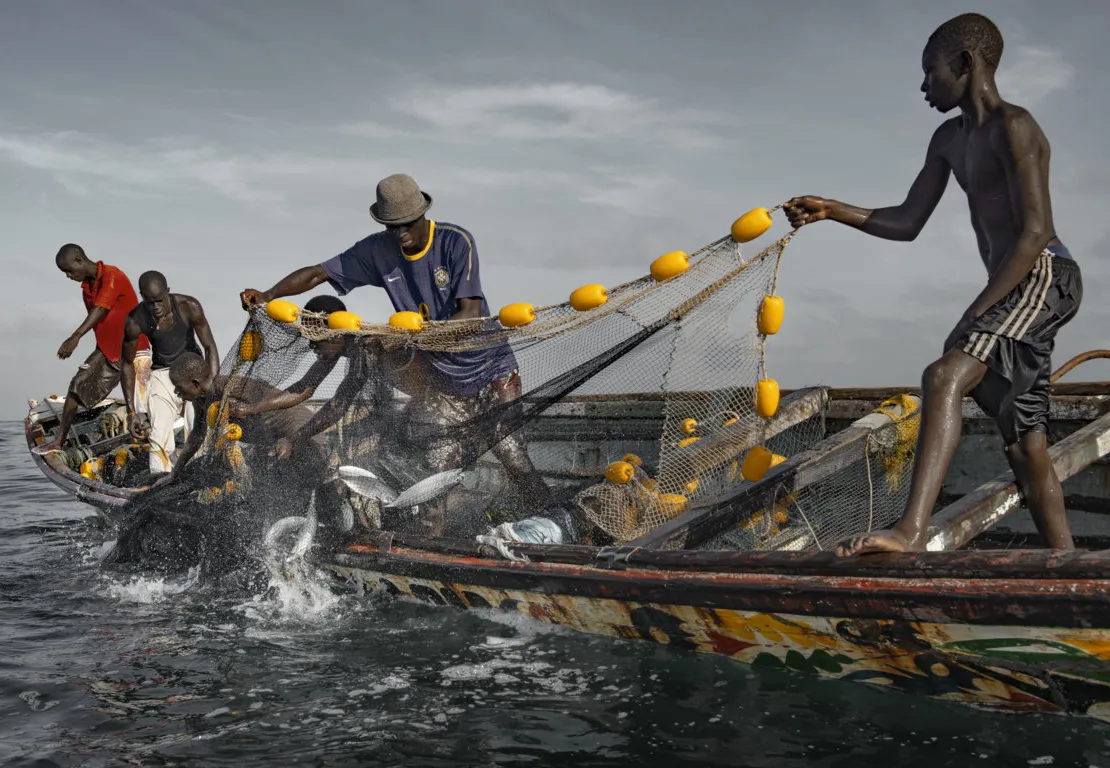
According to the 2022 census, artisanal fishing continues to dominate the sector, involving nearly 400,000 people and more than 42,000 vessels in inland and marine waters. A significant productive force, but one which, without effective control, can become part of the machinery that feeds unsustainable practices.


