
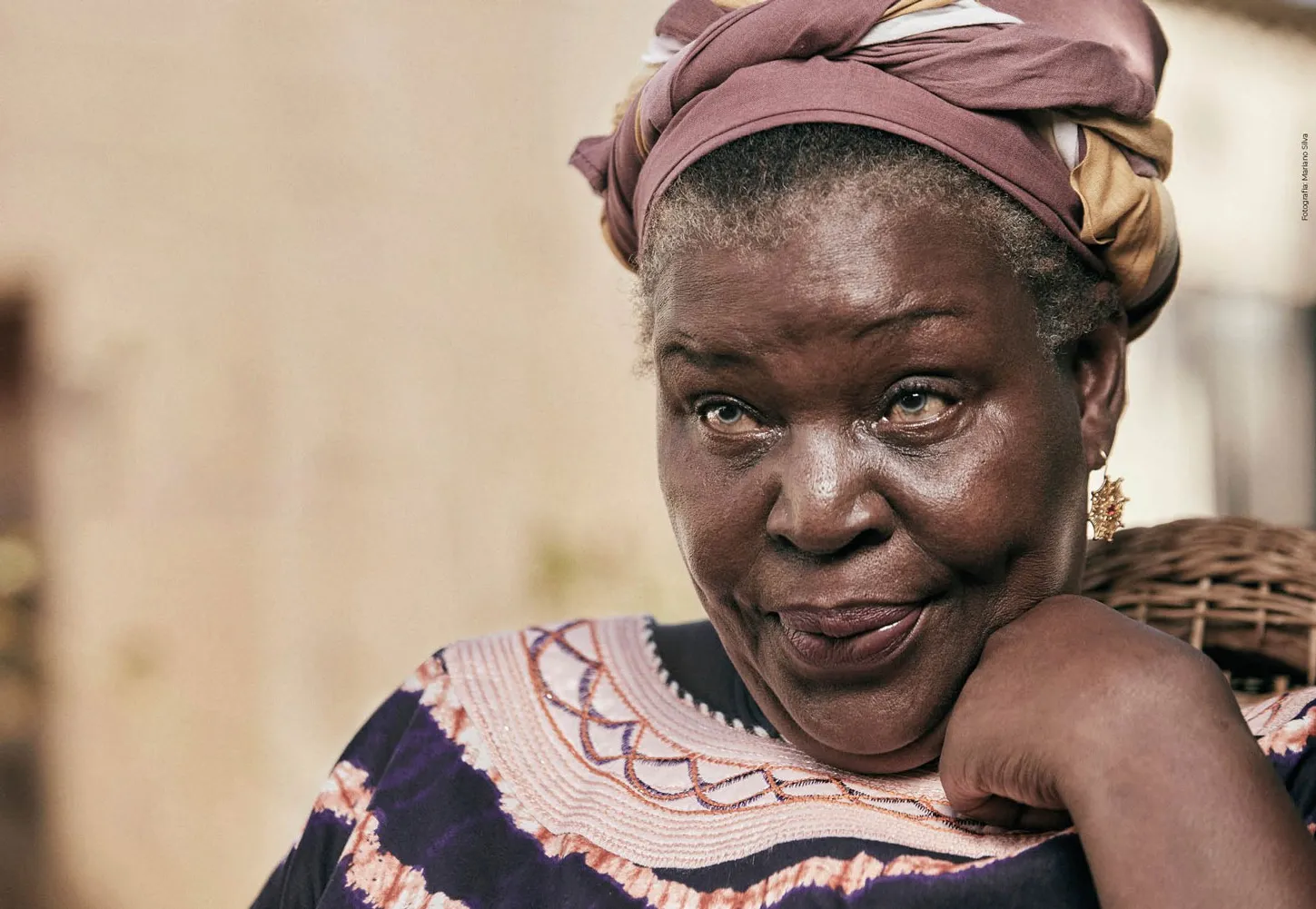
The news arrived like an echo of pride that crossed borders: Paulina Chiziane was named Africa's best writer of 2026. The reaction was swift. In Mozambique, President Daniel Chapo called the achievement a true “national pride”, stressing the symbolic weight of a career built on authenticity and cultural firmness.
The prize was awarded on Tuesday in Luanda, during the African Award — Creators and Directors Excellence 2026, consolidating the international standing of the author who, in 2021, had already won the Camões Prize.
In an official message, Daniel Chapo highlighted the writer's singular path, describing it as an example of courage and commitment to the assertion of African identity. He also stressed the profound impact of her work, which is capable of stimulating social reflection and inspiring successive generations.
“Her work continues to inspire generations, contributing to strengthening collective awareness and to valuing our cultural roots in the global context,” he said.
Born in Manjacaze, in southern Mozambique, in 1955, Paulina Chiziane built a literary career marked by pioneering spirit and daring. In 1990 she published “Balada de Amor ao Vento”, considered the first novel by a Mozambican woman, paving the way for new female voices in the country's literature.
Further works followed that consolidated her standing, such as “Ventos do Apocalipse”, completed in 1991 and published in Maputo in 1993, before being published in Portugal in 1999. Her bibliography includes essential titles such as “Sétimo Juramento” (2000), “Niketche: Uma História de Poligamia” (2002) and “O Alegre Canto da Perdiz” (2008), all published by Editorial Caminho.
The author's literary output also extends to works such as “As Andorinhas” (2009), “Na Mão de Deus” and “Por Quem Vibram os Tambores do Além” (2013), “Ngoma Yethu: O Curandeiro e o Novo Testamento” (2015), “O Canto dos Escravos” (2017) and “O Curandeiro e o Novo Testamento” (2018).
More than a literary career, it is a cultural journey. And now also a continental recognition that once again places Mozambique on the larger map of African letters.


