
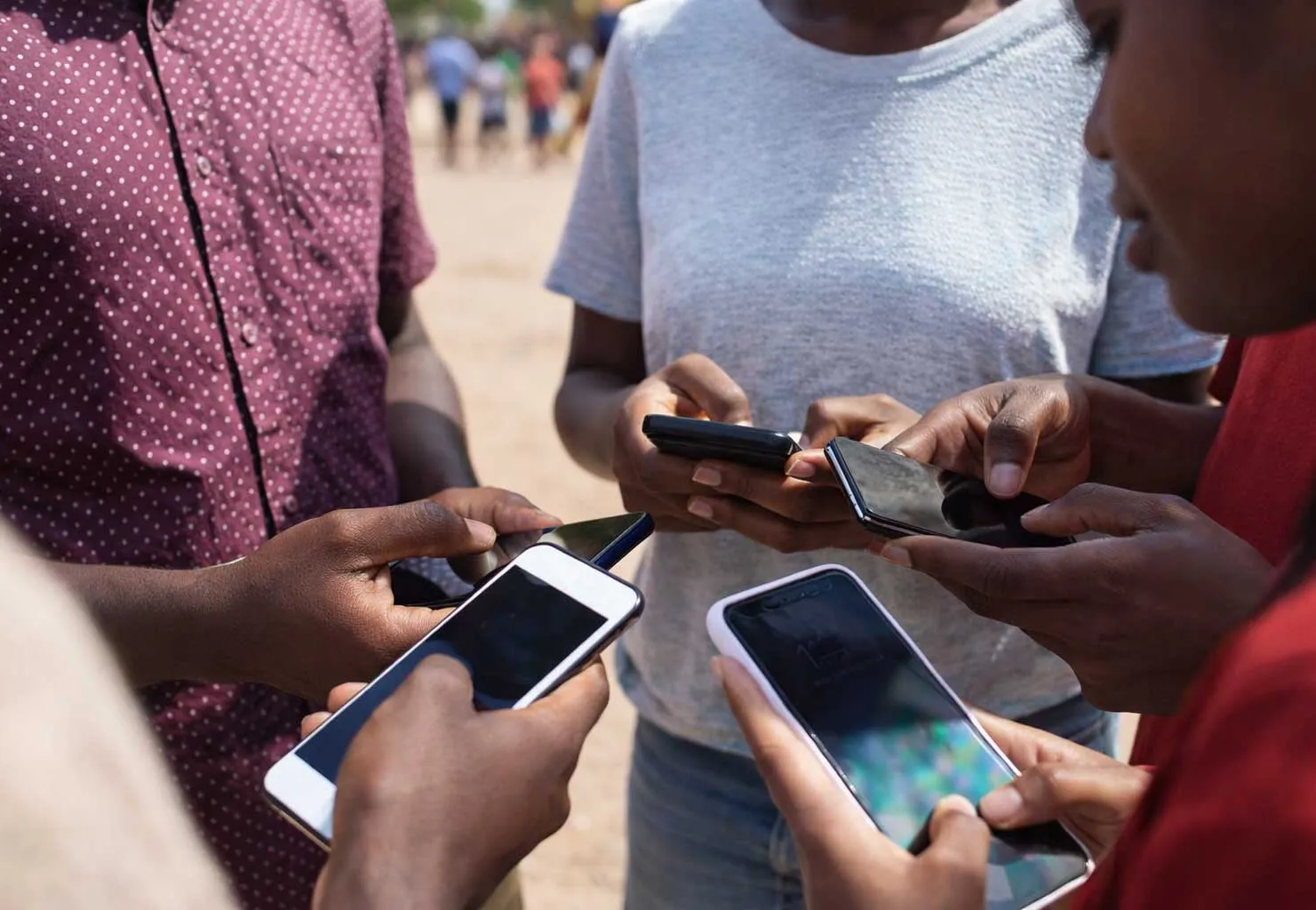
The Bank of Mozambique has established a new Instant Payment System (SPIM), which came into force this Monday, marking a decisive step in the modernisation of the national financial system. The platform will be managed by the Interbank Society of Mozambique (SIMO).
The measure is set out in the central bank's notice 1/GB/2026, seen by Lusa, which formalises the creation of the SPIM and approves its regulation, aligned with international best practice. The objective is clear: to make the transfer of funds through digital means faster, more efficient and immediate, bringing commercial banks and mobile wallets together on the same payments infrastructure.
The SPIM is described as an electronic mechanism for making payments with immediate availability of funds to the beneficiary. It will operate without interruption, 24 hours a day, including weekends, public holidays and days off in lieu, ensuring an operational continuity that is unprecedented on the national scene.
The regulation stipulates that financial institutions may set maximum daily limits for instant transfers: up to 200,000 meticais for individuals and 500,000 meticais for companies.
In addition to the managing entity, the system must include credit institutions, payment service providers and other entities authorised by the central bank. Participation by Electronic Money Institutions (IME) — digital wallets that operate via mobile phone — is, however, mandatory.
The figures illustrate the scale of the challenge and the opportunity. In November, Mozambique recorded more than 24.6 million digital mobile wallet accounts, compared with 6.6 million traditional bank accounts, according to official data published by Lusa in February. According to the central bank's most recent statistical report, IME accounts grew from 19,870,700 in 2024 to 24,626,613 by the end of November. Over the same period, bank accounts rose from 6,221,640 to 6,680,451.
Conversely, the traditional physical network has shrunk. ATM terminals fell from 1,413 to 1,399, while point-of-sale (POS) terminals dropped from 35,470 to 33,191. These services are now complemented by more than 400,000 digital mobile wallet agents, spread across the country's streets.
Mozambique currently has three Electronic Money Institutions — M-Pesa, e-Mola and M-Kesh — linked to the mobile telecommunications operators, which provide transfers between customers and payment for services via mobile phone.
The financial system also includes 15 commercial banks and 12 microbanks, in addition to credit cooperatives and savings and credit organisations. With the SPIM, the sector enters a new phase, in which the speed of transactions becomes not only a competitive advantage but a structural requirement of the digital economy.


