
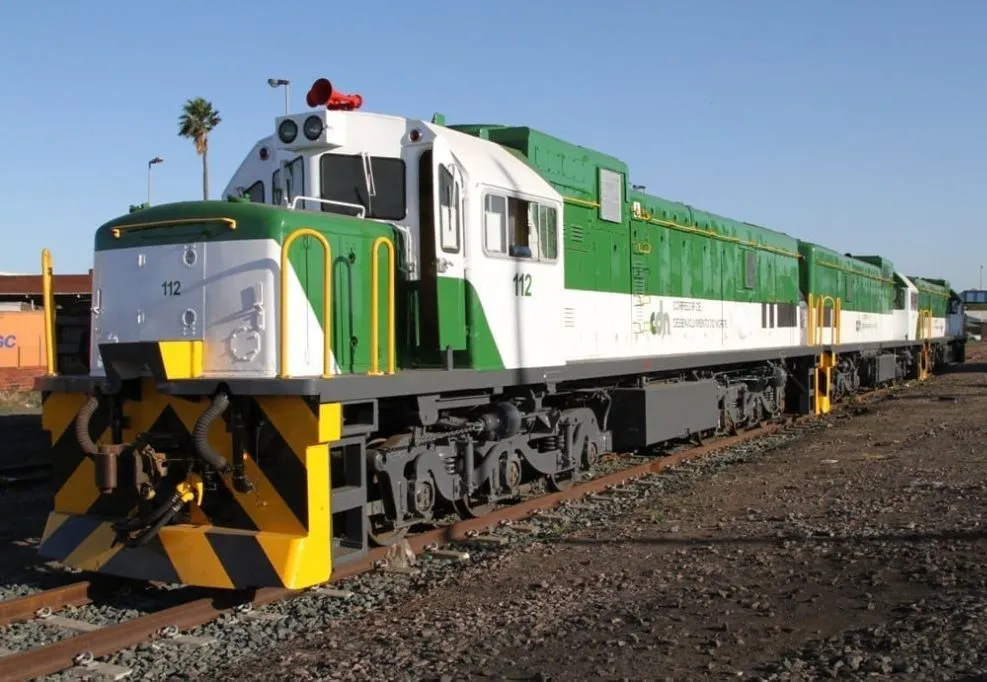
The Government has decided to award the company Portos e Caminhos-de-Ferro de Moçambique (CFM) the leadership of the project to create the new Dondo Logistics Terminal, a facility designed to ease pressure on the port of Beira and improve the flow of goods on regional corridors. The infrastructure will initially occupy an area of 70 hectares, with the possibility of expansion as demand justifies it.
The decision was formalised by a recently approved resolution, which authorises the direct award of the project to CFM and orders the formation of a negotiating team responsible for drawing up the concession proposal. The information was reported by the Lusa agency.
According to the Ministry of Transport and Communications, the port of Beira is a key piece in the national and regional logistics chain, serving countries such as Zimbabwe, Zambia, Malawi and the Democratic Republic of the Congo. However, growing demand has been causing significant congestion in storage areas and access roads, adversely affecting efficiency and road safety.
It is in this context that the Executive considers the implementation of the new logistics terminal in Dondo to be urgent. The aim is to decongest the port, strengthen storage capacity and optimise cargo handling.
The project will follow the public-private partnership model and may involve entities such as MPDC (Maputo Port Development Company), the Sofala Business Council and the Municipality of Dondo.
The Government bases the direct award to CFM on the company's extensive experience in the design, construction and management of logistics infrastructure, as well as its technical and financial strength. The concession will cover all phases of the project, from planning to the eventual handover of the facilities to the State.
The Minister of Transport and Logistics, João Matlombe, will now have 90 days, from the publication of the resolution, to submit the proposed concession contract and the respective decree for approval. This initiative is in line with national objectives of turning logistics corridors into poles of investment attraction and engines of regional economic development.


