
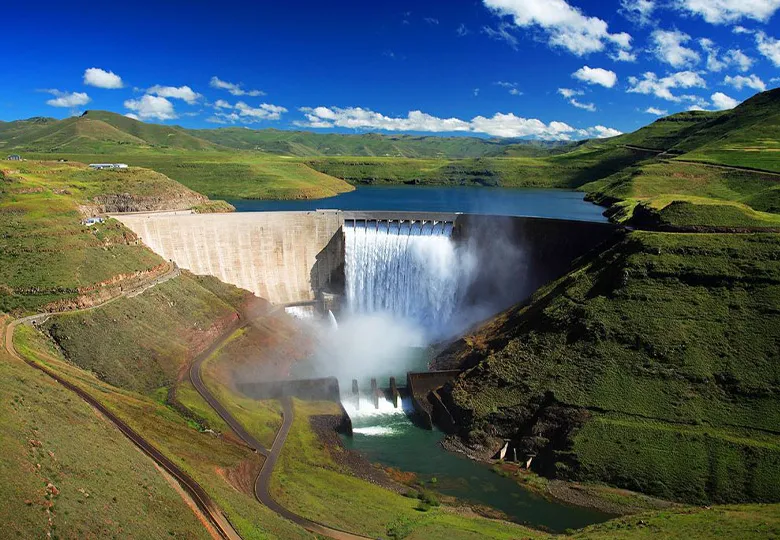
The Mphanda Nkuwa Hydroelectric Project, located in Marara district, Tete province, in central Mozambique, has reached a decisive stage in its sustainable development. The Mphanda Nkuwa Hydroelectric Office (GMNK) has announced the opening of the process to select a specialist company to conduct the environmental and social studies, essential to ensure the ecological and social viability of this 5.5 billion dollar undertaking.
Complex and comprehensive studies
The studies include the Environmental and Social Impact Assessment (ESIA), the Environmental and Social Management Plan (ESMP) and the Resettlement Action Plan. These documents are complemented by environmental and social governance mechanisms, as well as conflict resolution strategies, which are fundamental to minimising adverse impacts.
The initiative seeks to ensure that the project strictly complies with national policies and meets the requirements of funding bodies, such as the World Bank and the African Development Bank, while also aligning with the highest international standards.
Multi-sector involvement
The GMNK, funded by the International Development Association (IDA), will coordinate the process in conjunction with the Ministries of Mineral Resources and Energy and of Land and Environment, at both central and provincial level. The selected company will be responsible for managing the entire process and engaging stakeholders, including local communities, to mitigate possible negative impacts and maximise social benefits.
Economic and social impact
With an estimated generating capacity of 1,500 MW, the project is a key piece in expanding Mozambique’s energy capacity. During the construction phase, around seven thousand temporary jobs are expected to be created, while after completion, three thousand permanent posts will be available, with 95% of the vacancies intended for Mozambican citizens.
As well as boosting the country’s energy supply, the project is also an opportunity to promote sustainable development, social inclusion and improved quality of life in the affected communities.


