
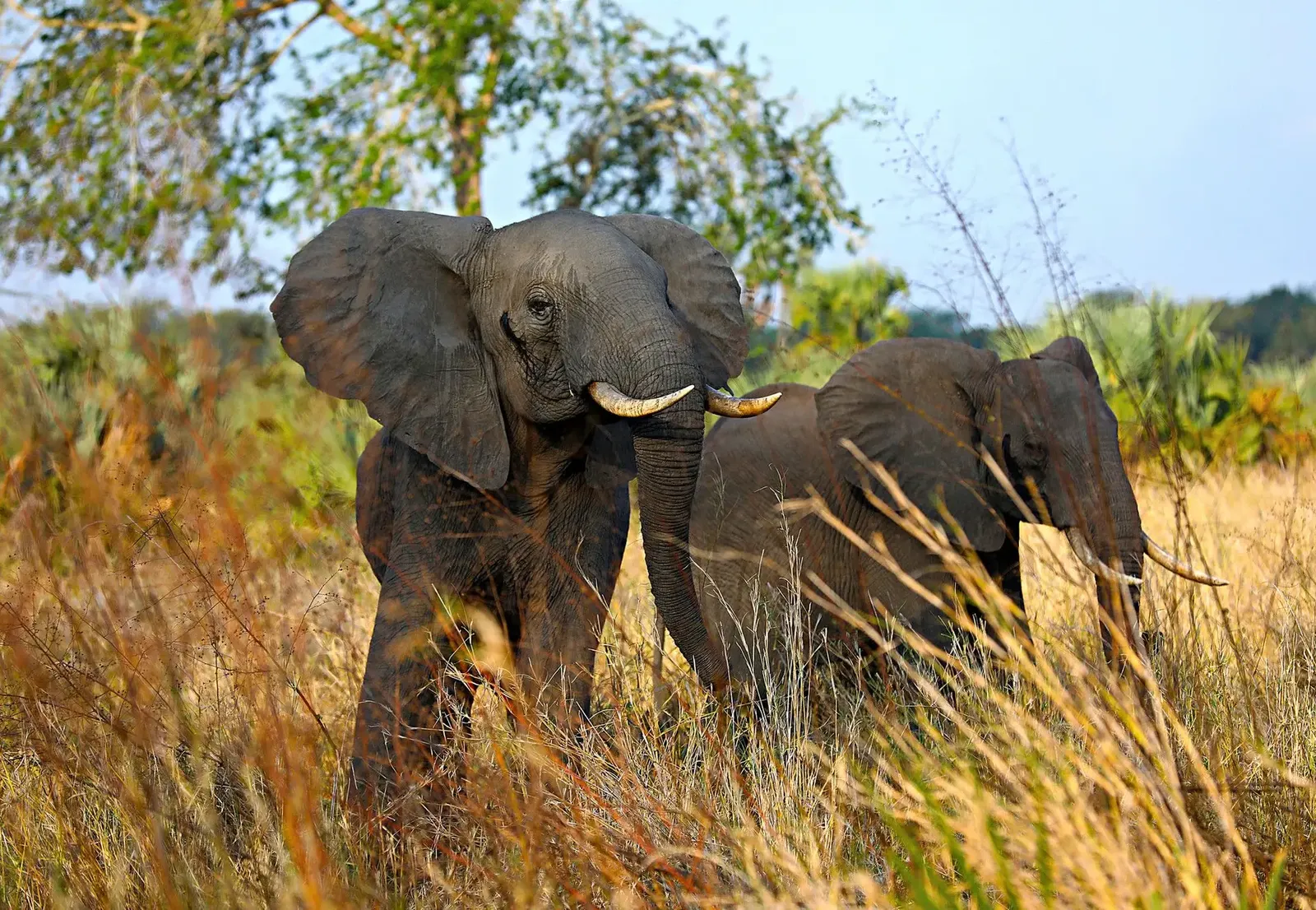
Seven years after the last national count, Mozambique is once again turning its eyes to the sky — and to the ground — to carry out a new Aerial Census of Elephants and Large Mammals. The initiative, announced to begin later this month and due to be completed by December, comes at a critical moment for biodiversity conservation, after a decade marked by a 13% reduction in the elephant population, mainly owing to poaching.
The survey, which according to plan should take place every five years, has suffered successive postponements for lack of funding. “In principle, it should be every five years, but we have lacked resources to carry it out. I believe that, once we get started, we will keep to our plan”, said Severiano Khoy, deputy director-general of the National Administration of Conservation Areas (ANAC), during a seminar in Maputo.
The last Census, carried out in 2014, indicated the presence of 10,496 elephants. Four years later, the data pointed to a worrying decline: 9,122 individuals, a direct consequence of human pressure on habitat and of illegal hunting networks operating in the country’s most remote areas.
Samiro Magane, coordinator of the Biodiversity Conservation Programme at the Foundation for the Conservation of Biodiversity (Biofund), drew attention to the critical situation in the Niassa Reserve, describing it as “one of those that suffered most because it had the greatest potential in terms of elephant population”.
The new Census has international support, with Swedish funding considered vital to making the operation viable. The exercise demands demanding logistics, using light aircraft and specialised teams. “It is expensive work”, Magane admitted, stressing the impact the data will have not only on the definition of conservation policies, but also on Mozambique’s positioning in nature tourism and sustainable development.


