
Geography has placed Mozambique before the world. Now, the country wants to use that same privileged position to establish itself as one of the main gateways to the digital economy in Africa.
The ambition was reaffirmed this week in Maputo, at the 2nd Mozambique–European Union Business Forum (Global Gateway), where the Government presented a vision that seeks to go far beyond traditional trade routes. The bet is on turning the historic logistics corridors into digital corridors, capable of carrying data, innovation, technology services and investment.
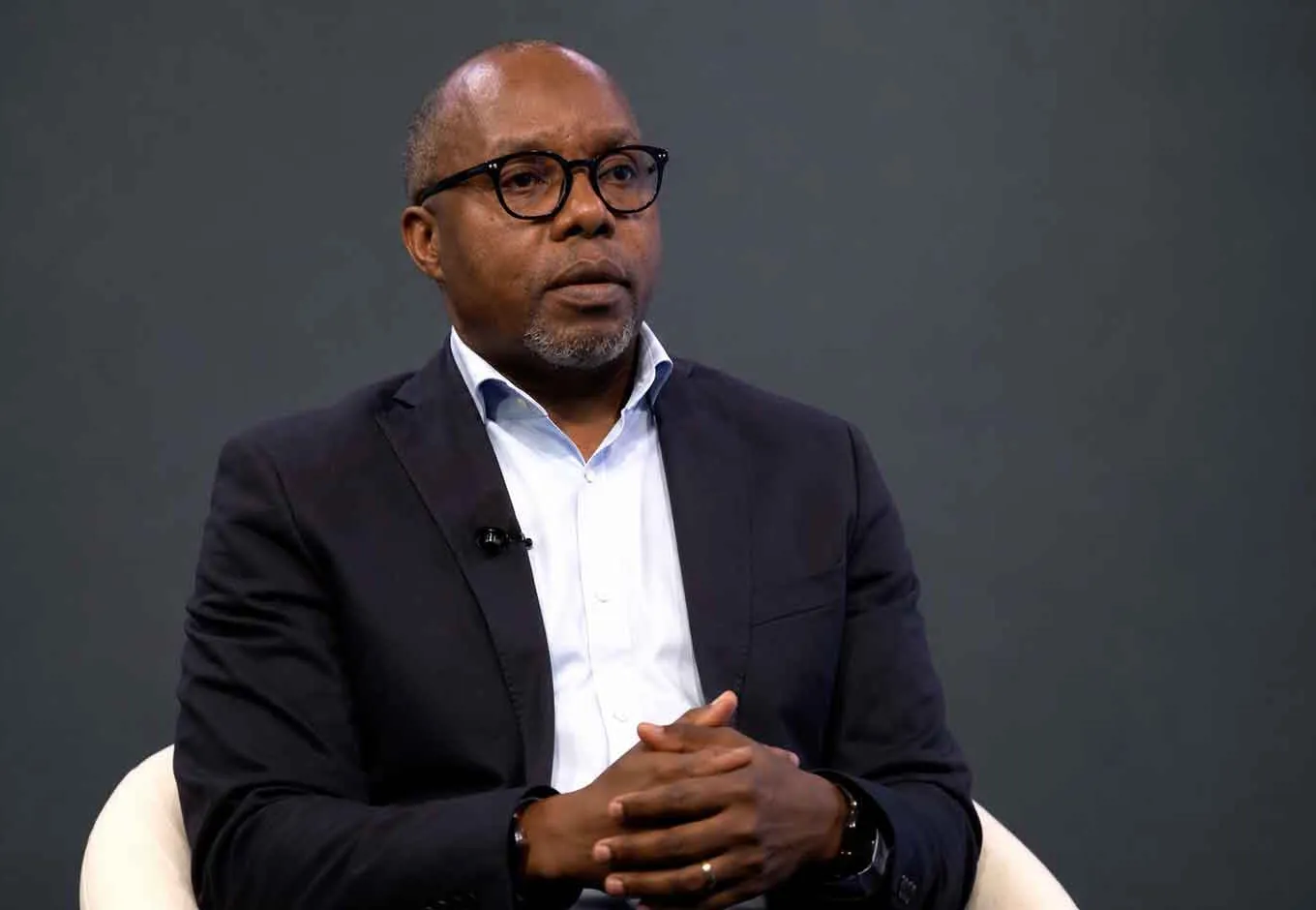
The Minister of Communications and Digital Transformation, Américo Muchanga, argued that Mozambique has unique conditions to occupy a prominent place in the new digital geography of the African continent. The long coastline, the development corridors linking landlocked countries to international markets and the strategic position facing the Indian Ocean are, according to the minister, assets that can be reused to integrate the country into future global digital flows.
If for decades Mozambique was seen mainly as a logistics platform for Southern Africa, the current challenge is to extend that vocation to high-value-added sectors such as telecommunications, data centres, artificial intelligence, cloud computing and cross-border digital services.
The strategy fits into a worldwide trend in which the competitiveness of economies depends more and more on the ability to attract technology investment and secure robust connectivity infrastructure. In this context, Américo Muchanga also highlighted an advantage often forgotten in the digital debate: the availability of energy and water resources.
At a time when large data-processing centres and advanced computing infrastructure demand a stable and abundant energy supply, Mozambique believes it can offer distinctive conditions to host projects of regional scale.
The Executive's vision received a concrete boost from the European Union. On the sidelines of the forum, three new direct financing agreements were signed between the two sides, totalling 118 million euros.
Of this amount, 28 million euros will be channelled specifically into the development of inclusive and accessible digital services, strengthening the commitment to the country's technological transformation. The remaining funding includes 40 million euros to strengthen resilience and access to energy, as well as 50 million euros for the education sector, in an integrated approach designed to lay the structural foundations for economic growth.
The meeting also marked the Green Value for Growth in Mozambique project, already under way since 2025. The initiative, supported by the European Union and the Netherlands, benefits from European funding of 50 million euros to promote a green, climate-resilient development model.
For the Government, digitalisation is now one of the central pillars of national economic transformation. The goal is not limited to installing cables, antennas or technology centres. The aim is to build an ecosystem capable of attracting investment, stimulating innovation, developing national skills and integrating Mozambique into the digital economy's global value chains.
The expansion of e-commerce, financial inclusion, the modernisation of public services, the development of tech talent and the creation of new job opportunities for young people are cited as direct benefits of this bet.
At the same time, the official discourse reveals a broader ambition: to strengthen Mozambique's role as a link between Southern Africa, the Indian Ocean and international markets. By advocating the building of bridges between countries, markets, people and opportunities, the Executive seeks to position the country as a genuine regional platform for economic integration.
The interest generated by the 2nd Mozambique–European Union Business Forum seems to reinforce that possibility. More than 1,300 organisations took part in the meeting in search of new investment opportunities, a sign that the digital agenda could emerge as one of the most important frontiers of economic cooperation between Mozambique and its international partners.
It now remains to turn the vision into reality. The real test will be the ability to convert funding, strategy and partnerships into concrete projects that strengthen connectivity, democratise access to digital services and consolidate Mozambique as one of the future technology hubs of Southern Africa.


