
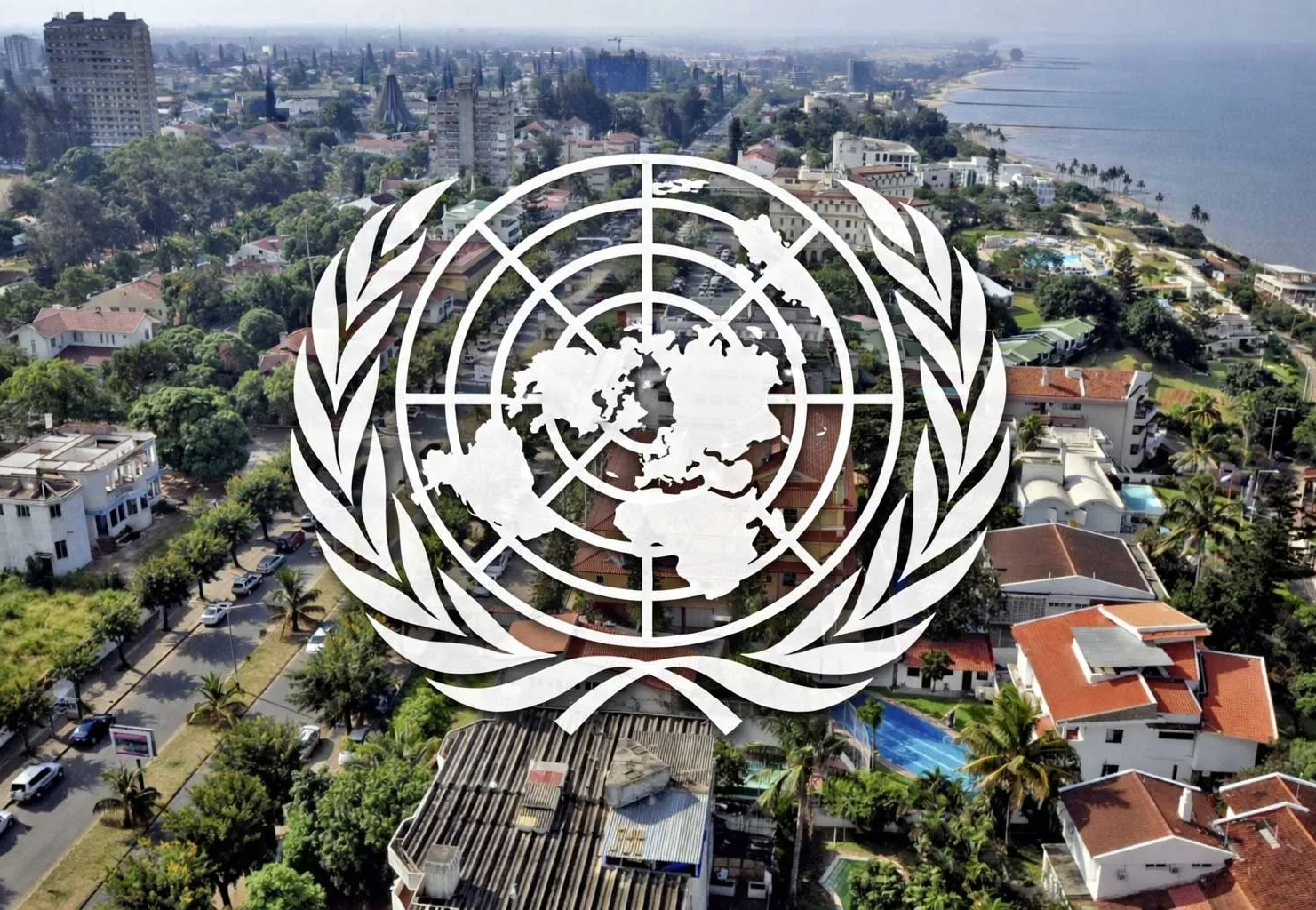
The Mozambican Government has formalised, in Geneva, the creation of an office of the United Nations High Commissioner for Human Rights in the country, the Ministry of Justice announced on Wednesday.
“Mozambique has signed the agreement for the establishment of the office of the United Nations High Commissioner for Human Rights in the Republic of Mozambique”, declared Mateus Saize, Minister of Justice, Constitutional and Religious Affairs, on the sidelines of proceedings in the Swiss city.
The agreement was initialled on Tuesday by the Mozambican minister and the United Nations High Commissioner for Human Rights, Volker Türk.
According to the Ministry of Justice, the new office will have the mission of advising and supporting the Mozambican Executive in defining and implementing strategies, programmes and measures aimed at promoting and protecting human rights. Its work will be framed by the Charter of the United Nations and the mandate of that organisation's High Commissioner for Human Rights.
On the occasion, Mateus Saize reaffirmed Mozambique's position within the Human Rights Council, stressing that the country maintains “confidence” in that body as an essential platform for strengthening international cooperation and for promoting universal and effective respect for human rights and fundamental freedoms.
The minister also announced that on 5 May Mozambique will present its national report for the fourth cycle of the Universal Periodic Review, covering the period 2021-2025. According to him, it is a document that marks progress but also acknowledges persistent challenges in the country.
On the legislative front, Saize indicated that internal processes are under way to ratify the International Convention for the Protection of All Persons from Enforced Disappearance and to accede to the International Covenant on Economic and Cultural Rights.
The Justice minister is taking part, from Monday until Thursday, in the 61st session of the Human Rights Council, being held in Geneva, Switzerland.
The Council meets three times a year in ordinary sessions — one of which includes a high-level segment — and is made up of 47 member states elected for three-year terms, according to a statement from the Ministry of Justice.


