
Mozambique is preparing to present a robust climate proposal at COP30, scheduled for next November in Belém do Pará, Brazil, where it will be represented at the highest level. The country is in the final stretch of formulating its third Nationally Determined Contribution (NDC 3.0), a document that will define, up to 2035, concrete actions for climate change mitigation and adaptation, in line with the commitments of the Paris Agreement.
Coordinated by the Ministry of Agriculture, Environment and Fisheries, NDC 3.0 updates the targets for reducing greenhouse gas emissions and strengthens national resilience, outlining a more sustainable path adjusted to Mozambique's socioeconomic reality.
“NDC 3.0 is a reflection of Mozambique's climate agenda. In it we define the concrete measures to reduce emissions and increase national resilience. We are strengthening the country's ambition, without losing sight of the economic reality and the financing challenges we face,” said Cláudio Quenhe, who is responsible for the process.
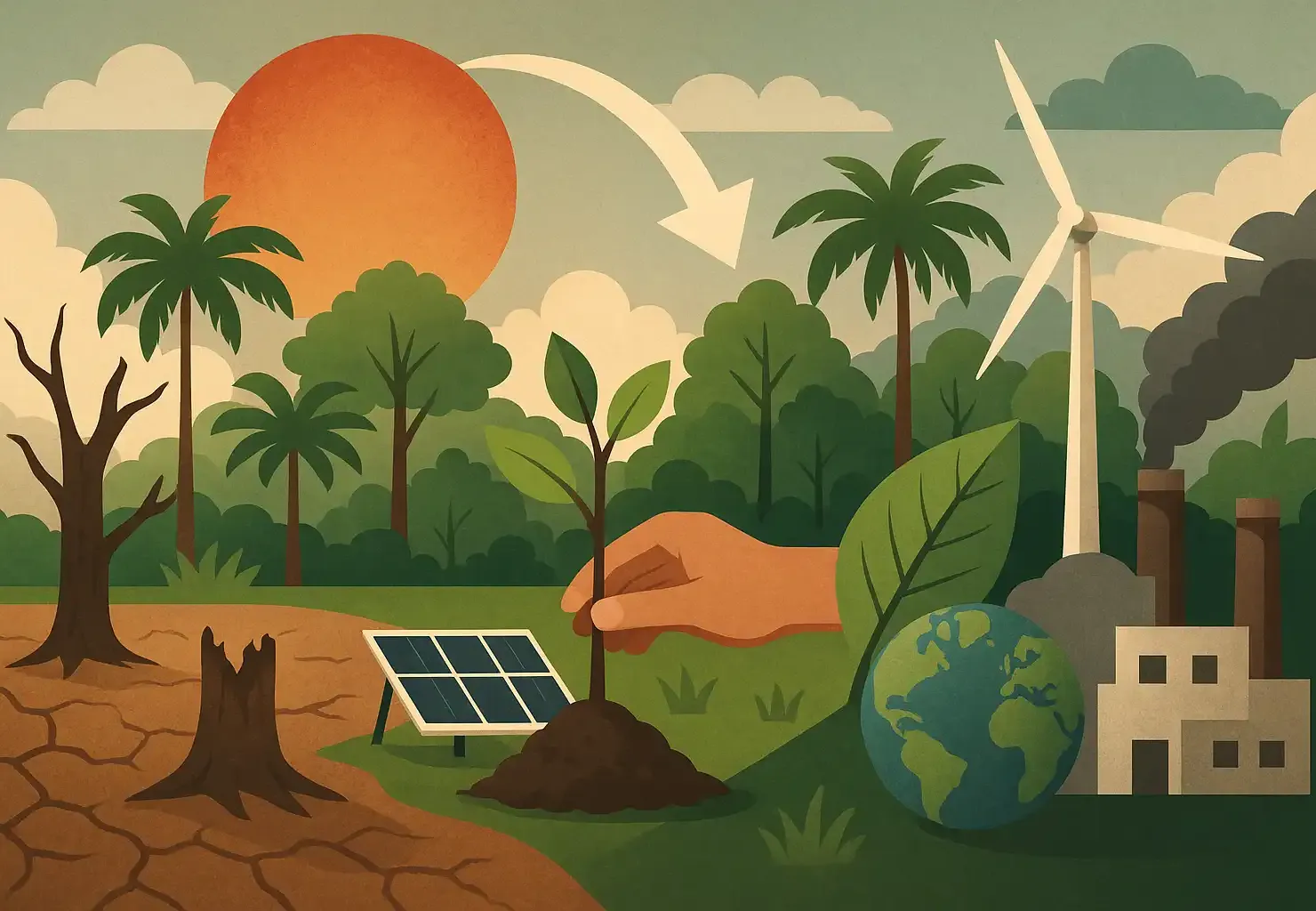
The new version brings broader priorities, including the energy transition, reforestation, combating forest degradation and strengthening the resilience of the communities most vulnerable to climate impacts. The key sectors covered include agriculture, forestry, energy, transport, waste and industry.
Although Mozambique is responsible for low global carbon emissions (about 90 million tonnes of CO₂), the country is one of the most exposed to extreme events such as cyclones and droughts. Deforestation and uncontrolled burning continue to be the main sources of emissions, a reality the Government intends to reverse through reforestation and sustainable management of forest resources.
The focus on renewable energy, notably solar, hydro and natural gas, is aligned with the Energy Transition Strategy and other national plans, in an effort to accelerate the shift in the energy paradigm and reduce dependence on fossil fuels.
“We want an NDC that is realistic, achievable and attracts international financing,” Cláudio Quenhe stressed.
However, financing remains one of the biggest obstacles. Of the 7.8 billion dollars estimated for implementing NDC 2.0, only a fraction has been disbursed. Quenhe laments that developed countries are not fully meeting the financial commitments they have made, affecting the full implementation of climate measures.
The final version of NDC 3.0 is due to be submitted to the Council of Ministers before COP30. Among the measures highlighted are: conservation agriculture, the use of drought-tolerant seeds, resilient infrastructure and national financing mechanisms for disaster response.
The document is still at the consultation stage, with provincial and sectoral consultations under way. Mozambique aspires to arrive at COP30 with a clear and structured vision, reinforcing its position as one of the most active African voices in global climate diplomacy.


