
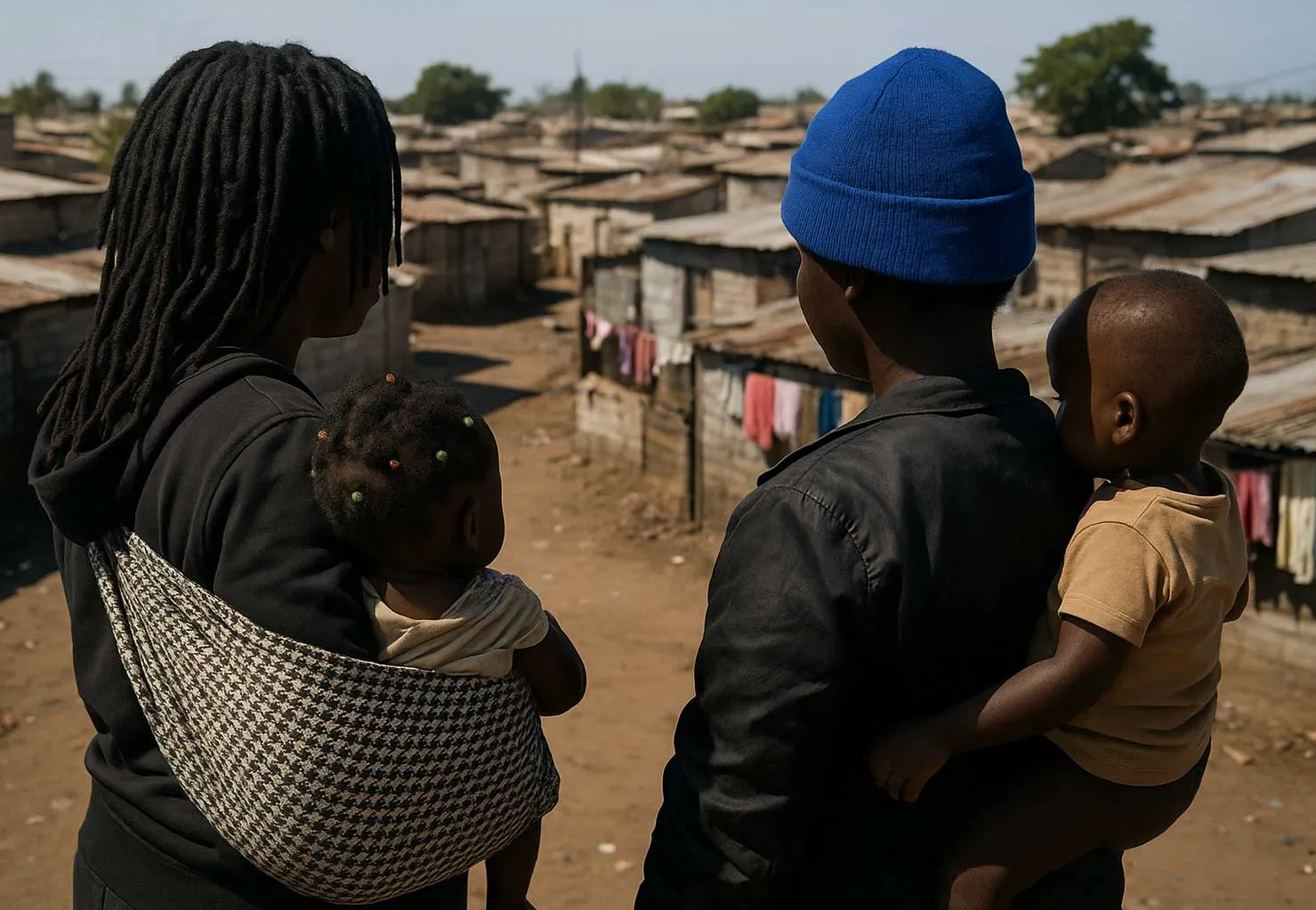
At 17, Diana Manhiça has not lost her ambition to be a nurse. She wakes every day at 5 a.m. to prepare badjias and apas which she sells at her front door, in the heart of the Mafalala neighbourhood in Maputo. While supporting her two-year-old son, she remains steadfast at school, facing the burden of an early and unplanned pregnancy – a reality she shares with thousands of other Mozambican teenagers.
Diana is one of the young women interviewed by Lusa, whose stories put a face to the statistics revealed in the report “State of World Population 2025”, presented in Maputo by the United Nations Population Fund (UNFPA). The document shows that Mozambique has the fourth-highest adolescent birth rate in the world, with 158 births per thousand girls aged 15 to 19, between 2001 and 2024.
In the Mafalala neighbourhood, stories like Diana’s are repeated. Hortênsia Zefanias, 21, became a mother at 17. She tried to have an abortion, without success, and only told her mother – who lives in Inhambane – after the birth. She lives with her partner and children in a house shared with her mother-in-law and brother-in-law, getting by on odd jobs and hardship. She left school in Year 10, but dreams of returning and becoming an entrepreneur. “We are happy, despite the difficulties”, she told Lusa.
Cíntia Tembe, 16, is another young mother in Mafalala. The pregnancy was discovered by her sister-in-law, Hortênsia, when she was only 14. Her boyfriend denied paternity and Cíntia had to deal with responsibilities beyond her years. Today she is trying to finish Year 9 and says her focus is her daughter, with no room for boyfriends or more children. “To fight for my family”, she told Lusa, still nervous at the memories.
According to UNFPA, Mozambique’s population is expected to double in 25 years, starting from the current 35.6 million inhabitants, of whom 44% are under 14 and only 3% are over 65. The report also highlights that almost half of Mozambican girls (48%) enter early unions and that one in three women cannot decide on the number of children she wants to have, owing to a lack of access to sexual and reproductive health.
Among older women, the picture repeats itself. Emília Rodrigues, known as Maimuna, first became pregnant at 17. Today, at 35, she has four daughters, by three different fathers. None of the pregnancies was planned. “To have all of these, I wanted a boy”, she told Lusa, between smiles and regrets, as she prepared tea for her daughters, all of whom now have access to school and are already protected by contraceptive methods.
Family planning emerges as a hope for breaking the cycle. Many, like Diana, had an implant fitted straight after giving birth. “I would do it without thinking twice”, she said. She wants to stop her son repeating the same path. “I will tell him everything about contraceptive methods. It has to be done in good time”, she said, not hiding the wish to have another child one day – but with a different outlook, with more preparation.
Despite all the difficulties, these girls keep the flame of their dreams alive. Nurses, entrepreneurs, better mothers. Resistance in a country where the numbers are harsh, but where, day after day, they insist on drawing a different future.


