
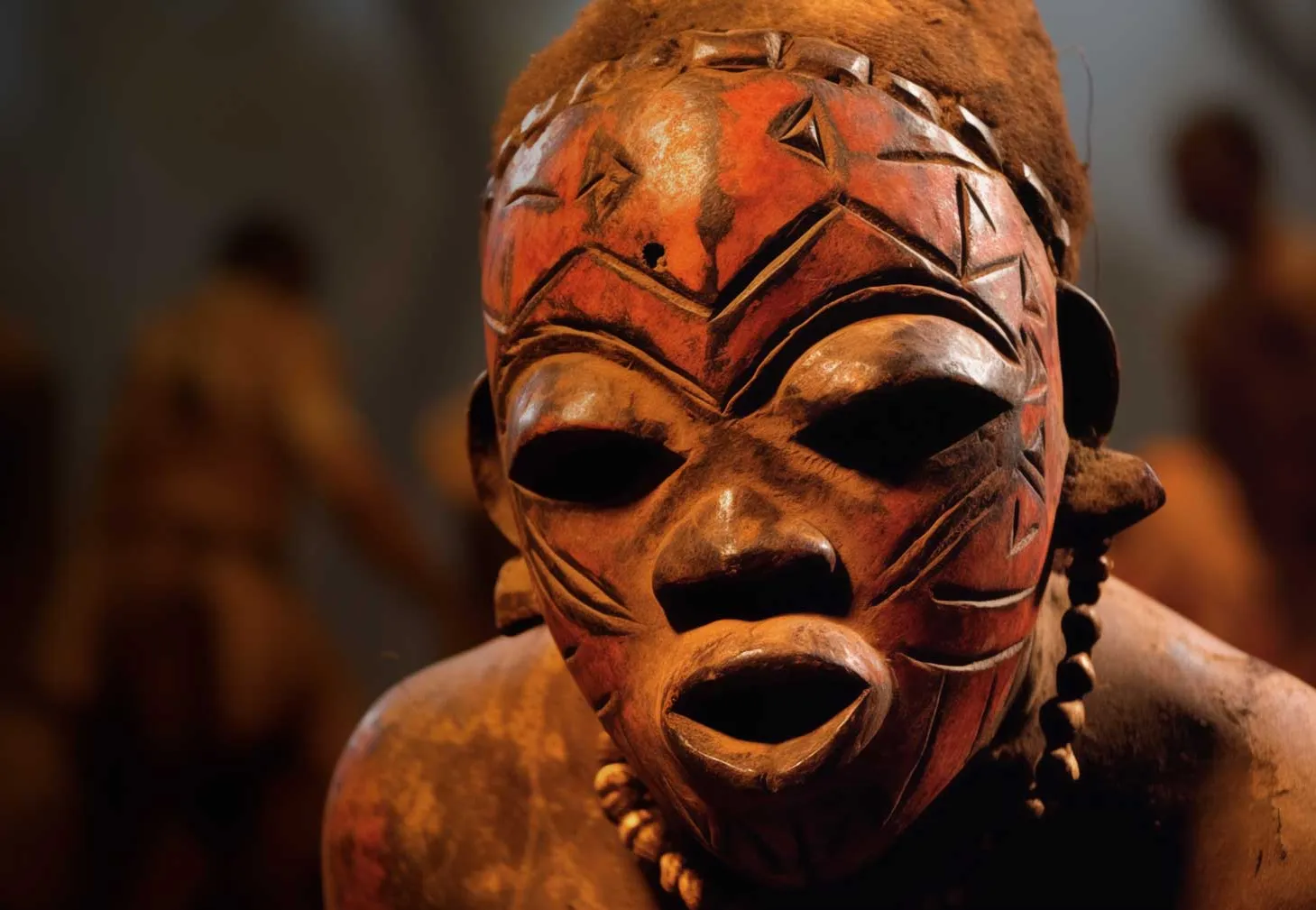
In an important initiative for Mozambican culture, the Ministry of Culture and Tourism has submitted the mapiko dance to UNESCO for consideration for inclusion on the list of intangible cultural heritage in need of urgent safeguarding. This nomination, announced at the 18th session of the Intergovernmental Committee for the Safeguarding of the Intangible Cultural Heritage, held from 4 to 9 December in Kasane, Botswana, is a significant step in the protection and promotion of Mozambique's cultural legacy.
Mapiko, also known as “in'ngoma ya mapiko”, is a cultural practice deeply rooted in the Mueda Plateau, covering the districts of Mueda, Nangade and Muidumbe, in Cabo Delgado province. An integral part of the Makonde-Likumbi initiation rites, mapiko is a blend of artistic expressions, combining music, dance and theatrical performance, and plays a crucial role in community ceremonies, including celebrations and funeral rituals.
The decision to propose mapiko for the UNESCO list was motivated by concerns about its possible extinction, aggravated by terrorist attacks that have taken place in the regions where it is traditionally practised, as well as environmental risks such as frequent cyclones. The nomination aims to raise young people's awareness of the importance of Makonde identity and traditions, fostering respect for the region's rich cultural spectrum.
Eldevina Materula, Minister of Culture and Tourism, highlighted the importance of this initiative, stressing that the nomination of mapiko reflects Mozambique's commitment to preserving the cultural memory of its people. By protecting this artistic expression, the country seeks not only to value the legacy of its ancestors but also to ensure the continuity and transmission of contemporary values and achievements to future generations. The minister expressed the hope that, with UNESCO recognition, the Mapiko dance can help strengthen social and territorial cohesion, not only in Cabo Delgado but throughout Mozambique and, possibly, worldwide.
The inclusion of mapiko on the UNESCO list would represent international recognition of its historical, aesthetic and artistic relevance, and would be a testament to the global commitment to preserving cultural diversity. This nomination is a vital step towards safeguarding and celebrating Mozambique's cultural heritage, reaffirming the importance of art and culture in building an inclusive and dynamic collective identity.


