
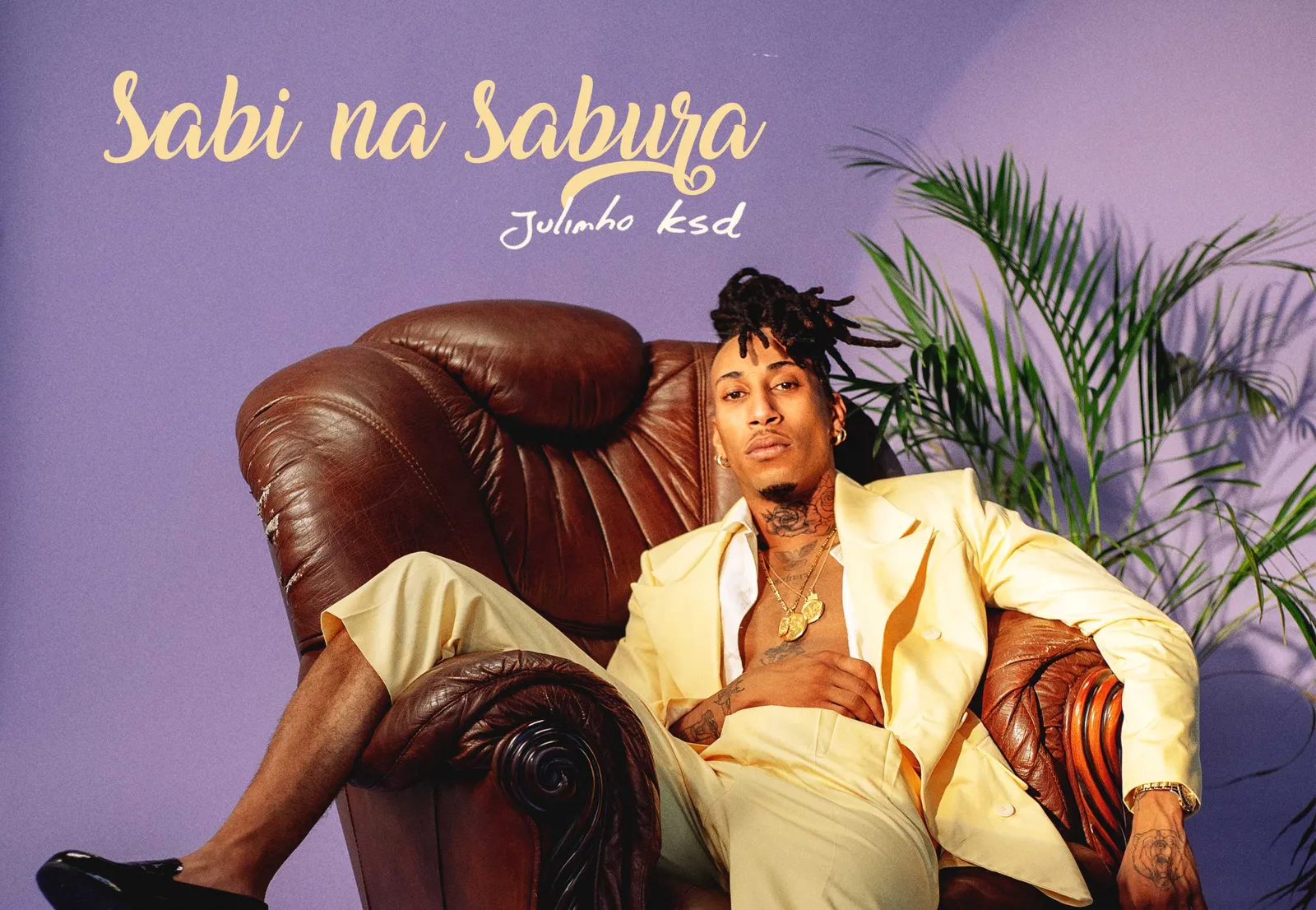
Lusophony - Julinho KSD
Who is Julinho KSD?
Julinho KSD is a “safari” version of me. Above all, I do what I like, always with well-defined responsibilities and goals.
Tell us about the origins of your new album, Sabi na Sabura. We know it talks a lot about your family and friends. How important is this moment in your life?
Sabi na Sabura came from the expression I created to reply when people asked me “Julinho, sta sabi?” and I would answer “Sabi na Sabura”. Since then, from the compilation of the songs I had already created and those I went on to create, I made this first project of mine which, without a doubt, is an immense source of pride, for all the effort I put in, both myself and everyone on my side, friends and family alike.
Sabi na Sabura came from the expression I created to reply when people asked me "Julinho, sta sabi?" and I would answer "Sabi na Sabura"
For an artist who was born and raised in the underground, what does this record mean?
As I said before, it's a source of pride for all the effort we put in, all the dedication, all the sacrifice, even with all the problems that kept arising. It means being able to show younger and older people that everything is possible, you just have to work and believe.
Are your songs a denunciation, therapy or a reaction?
They are therapy; I have songs for individual, couples and family therapy. I don't like seeing anyone unwell or unresolved.
How has the pandemic situation we are living through affected you as an artist? Did you see it as an opportunity for a fresh start and a stimulus to creativity, or as a disaster for the music scene?
As an artist, it had its pros and cons. I never lacked creativity and, to this day, I never stop creating, but I had more time to define and achieve my small goals. On the other hand, we had no concerts, I couldn't perform my songs live, and that is something any artist misses.
There is a certain prejudice among some of the more purist hip hop fans who claim a certain loss of identity when artists become more commercial. What do you think about that?
People have to know how to define properly what commercial music is, because, as for changes of musical style from one moment to the next, the type of market, the moments, the times of year and the trends are decisive. It's our job; we have to analyse everything.
At the moment you are one of the best-known rappers in the Lusophone world, with a younger and socially broader audience compared with rappers of earlier generations. Do you agree?
Younger and older audiences; I think I reach a bit of everywhere, so if we're talking about reaching more social classes, yes, I agree.
In your view, what is the best barometer of success?
Being happy with my people and my family, that is, being Sabi na Sabura.
What do you listen to besides rap?
I don't have one style or another that I listen to more, but I can say that, from Jorge Neto to Headie One, I listen to a bit of everything.
When can we count on a concert in Mozambique?
It's a moment that may come, that I hope will come, and that will make me very happy and proud to achieve that goal as well.
What are your plans for the future?
There are many plans, and others yet to be created. They are something that keeps happening and keeps shaping us as time goes by.


