
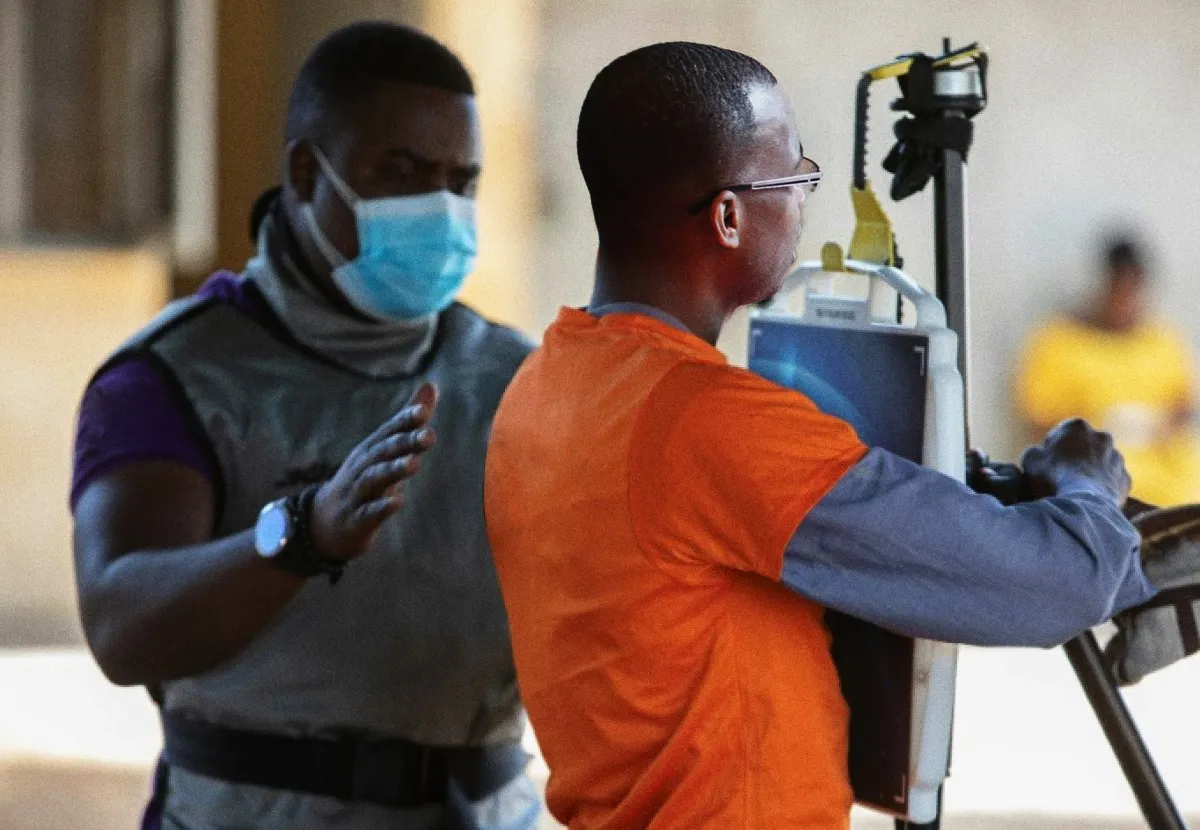
In a pioneering initiative in Mozambique, a portable X-ray machine combined with an Artificial Intelligence (AI) application has been instrumental in detecting cases of tuberculosis in the country's prisons. This technological innovation, already implemented in Maputo's prisons, has proved a crucial tool in the fight against the disease, with 66 cases identified among inmates.
Cremilde Anli, a doctor and national director of the Healthcare Service of the National Prison Service, stresses the importance of the equipment. Not only does it remove the need to take inmates elsewhere for examinations, it also makes it possible to obtain results in record time. This efficiency is crucial, given that the presence of a single infected inmate can pose a high risk of contagion in densely populated spaces, such as prisons.
The project, funded by the Stop TB Partnership initiative with the support of the United Nations, is a collaboration between several bodies, including the international organisation Health through Walls. The application of this innovative technology in Maputo's three prisons has already resulted in more than 4,500 tests, with 66 cases of tuberculosis identified since July.
Miranda Brouwer, a Dutch doctor responsible for monitoring the project, highlights the advantages of this system, above all in a country where radiologists are scarce. The AI's capacity for rapid and accurate analysis significantly eases the process of diagnosis and treatment.
This innovative approach is particularly relevant at Maputo Provincial Prison, the largest in the country, which currently houses a number of inmates significantly above its capacity. The challenge is immense, but hope lies in the effectiveness of screening and early treatment of tuberculosis, a disease that remains a public health problem in prison settings.
The project is not limited to diagnosis. Inmates who test positive undergo intensive treatment and, subsequently, a "maintenance" phase. The fight against multidrug-resistant tuberculosis is another challenge facing the sector, requiring additional prevention and control measures.
This joint effort reflects the openness of the Mozambican prison service to change and innovation, with the expectation that the initiative will expand to other prisons in the country. The example of Mozambique, now in line with similar projects in other nations, demonstrates a significant commitment to public health and to the defence of human rights in the prison system.


