
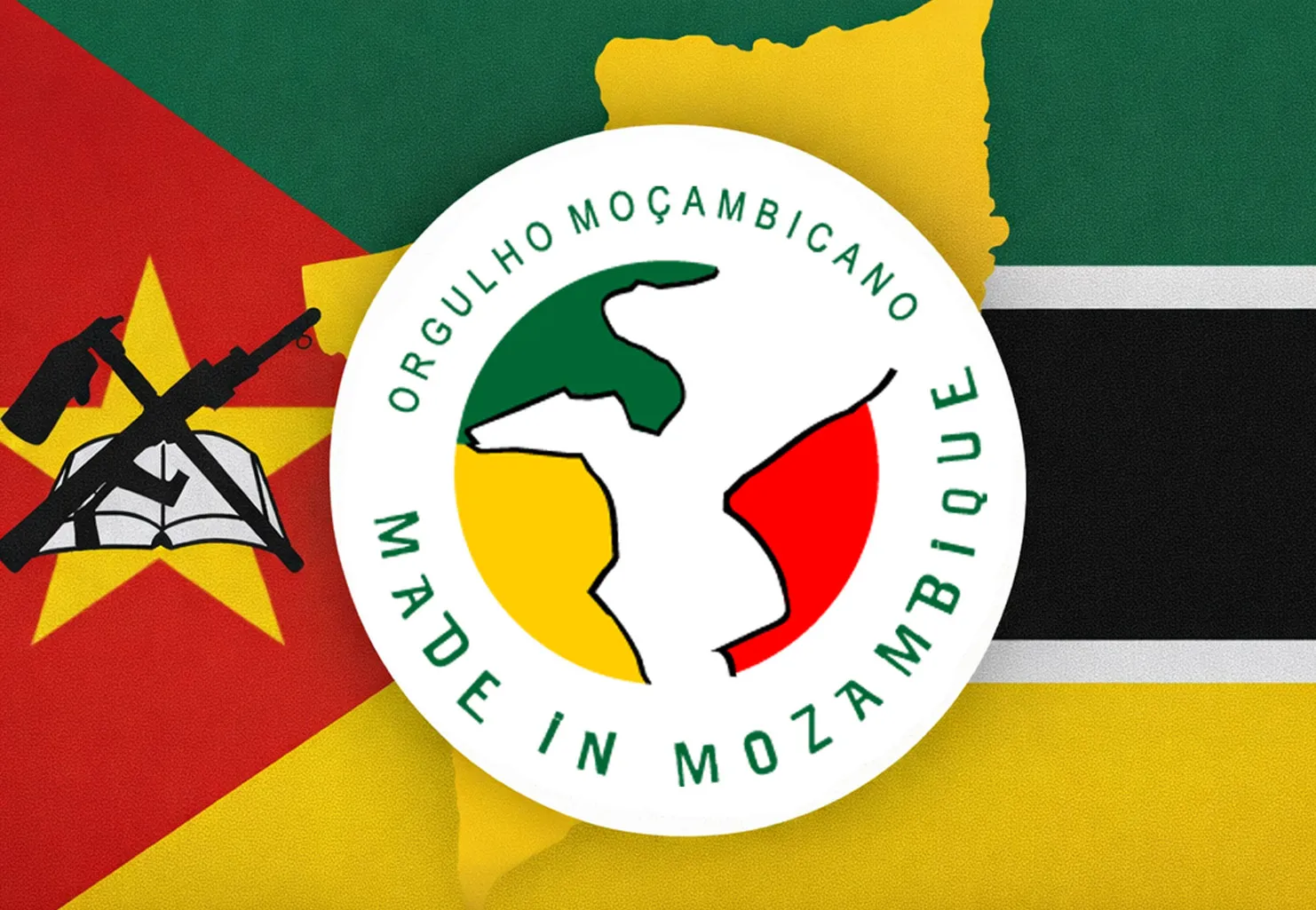
The “Made in Mozambique” seal is preparing to enter a new phase. The Mozambican Government is moving ahead with a revision of its legal framework, in an initiative that aims to reposition this mechanism as a more effective part of industrial policy and of the promotion of national production.
The measure forms part of a broader strategy designed to strengthen the competitiveness of Mozambican companies and encourage the consumption of goods made in the country, in a clear effort to reduce structural dependence on imports.
The confirmation was given by Ericksson Duarte during a seminar held in the city of Beira, a meeting that brought together business people, associations and institutions with the aim of discussing the harmonisation of the proposed revision of the regulation.
From symbol of origin to tool of economic impact
What for years was seen above all as a mark of provenance is now being thought of differently. The authorities argue for a more ambitious reconfiguration of the “Made in Mozambique” seal, giving it a more robust economic and institutional function.
The intention is to turn it into a strategic asset, capable of influencing consumer choices, consolidating consumer confidence and creating real competitive advantages for national companies.
In this logic, the seal no longer serves merely an identifying function. Instead, it takes on an active role in promoting domestic production, innovation and the assertion of Mozambique's economic identity.
Tighter rules and more credible standards
Among the proposed changes, one of the most significant is the strengthening of the eligibility criteria. The revision points to greater requirements in terms of quality, local content and compliance with technical and regulatory standards.
The aim is clear: to ensure that the seal does not merely mark a product's national origin, but also certifies levels of quality recognisable both in the domestic market and beyond borders.
In an increasingly demanding international environment, certification becomes a decisive element in the competitive positioning of products, and it is precisely on this front that the new model aims to gain consistency.
Stronger inspection and a bet on digital
Another of the central pillars of the reform relates to control and monitoring. The proposal under discussion provides for sturdier inspection mechanisms, accompanied by the introduction of digital solutions aimed at improving the management of the seal.
These tools should allow greater product traceability, make it easier to promote certified goods and strengthen transparency across the whole system.
Digitalisation therefore emerges as a key element of this transformation. It is on this that the Government places part of its expectation of reducing improper practices, improving oversight and strengthening trust among all those involved.
Clearer benefits and sustainable funding
The revision of the regulation also includes clarifying the benefits and incentives associated with the seal, in an attempt to make it more attractive to national companies.
At the same time, a model is planned to ensure the financial sustainability of the system, a dimension often forgotten in instruments of this kind, but crucial to their continuity and effectiveness.
The combination of concrete incentives and financial sustainability may, in the end, prove decisive for the level of business uptake and, consequently, for the seal's true economic reach.
Between defending local production and the demand to compete
The initiative's potential is evident, but its success will depend above all on how it is carried out. The challenge lies in reconciling two objectives that do not always go hand in hand.
On the one hand, there is a need to value and protect national producers. On the other, there is an obligation to ensure that the goods covered by the seal meet high standards and are able to compete in open markets.
It is in this delicate balance that the effectiveness of the new model will be decided. Without it, the risk is that the seal becomes merely a symbol of protection, with no capacity to produce real effects on the economy.
A sign of change in industrial policy
The revision of the “Made in Mozambique” seal can thus be read as a sign of a reorientation of Mozambican industrial policy.
In a context marked by external pressures, economic volatility and a growing need for diversification, the promotion of national production emerges as a strategic response to the weaknesses of the economic model.
More than an isolated measure, this revision represents a step in building a more solid, more integrated productive base, better able to sustain the country's economic growth in the medium and long term.


