
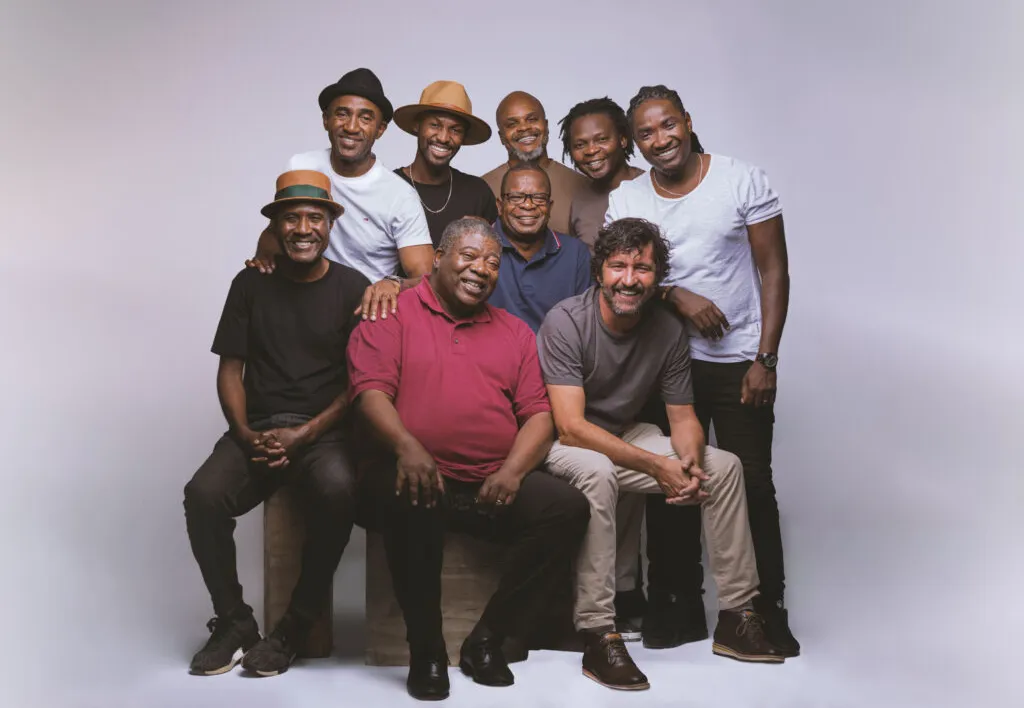
The Mozambican band Ghorwane, founded 41 years ago, is the oldest still active in the country. Throughout its history it has faced significant challenges, including the murder of two influential members and censorship. Nevertheless, it managed to overcome these adversities and even recorded its first album in the studios of Peter Gabriel, a former member of Genesis.
Roberto Chitsonzo, the band's lead vocalist and rhythm guitarist, highlighted the group's determination to keep making music in tribute to their late colleagues, Zeca Alage and Pedro Langa. Zeca Alage, singer and saxophonist, was murdered in 1993, and Pedro Langa, singer and guitarist, in 2001. The desire to preserve the work of their departed colleagues is one of the driving forces that keep the band together.
During the Mozambican civil war, the band caused controversy by releasing the song "Massotcha", which criticised the prioritisation of weapons over the well-being of the population. This courage in tackling social and political themes made the band an important voice for the Mozambican people. The then president Samora Machel referred to the band as "good lads", acknowledging the relevance of their messages.
Ghorwane's unique sound results from the fusion of traditional Mozambican rhythms and dances with conventional instruments. This combination impressed Peter Gabriel, who invited them to record the album "Majurujenta" at his studio in London in 1991. This collaboration marked the start of the band's internationalisation.
Over the years, Ghorwane has also collaborated with prominent figures such as the writer Mia Couto, who wrote lyrics for the soundtrack of the television series "Não é preciso empurrar", about civic education and reconciliation in Mozambique.
The band continues to renew itself, bringing in younger members while staying true to its roots. To celebrate 41 years of existence, Ghorwane has several commemorative concerts planned for this year.


