
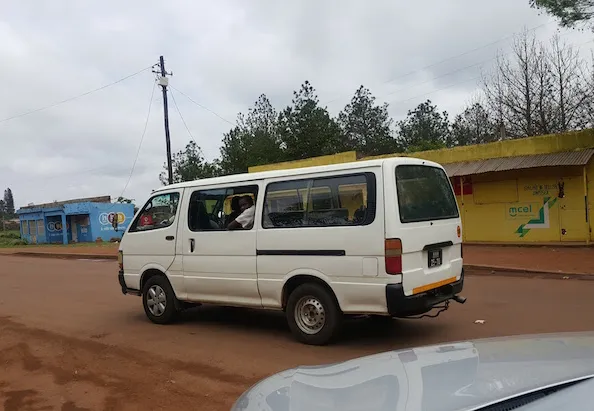
In a climate of unease, both passengers and operators of public transport, the famous "chapas", view with apprehension the possible increase in fares as a result of the considerable rise in the price of diesel. This fuel, a fundamental pillar of semi-collective transport, has seen its price rise, causing widespread disruption. Experts agree that a fare increase will be unavoidable to balance operating costs.
The rise in the price of diesel has caused turmoil in Maputo, affecting passengers and operators of semi-collective transport. Economists anticipate a rise in the cost of living, given the expected increase in transport fares.
Operators of semi-collective transport express their discontent at the increase in the price of diesel, showing frustration and desperation. ARENE, the Energy Regulatory Authority, assures that the rise in the price of diesel will not interfere with the sector, but the economist Rui Mate disputes this, predicting inevitable impacts, since most public transport depends on this fuel.
ARENE is counting on government compensation for transport operators, but Rui Mate warns of the ineffectiveness of this system, given the delay in allocating funds, predicting a reduction in routes and a halt to activities. Mate also questions the justification given for the increase in the price of diesel - the alleged rise in import costs, an argument he considers poorly founded. Citizens who depend on public transport are deeply worried, not knowing how they will cope with the rise in fuel prices.


