
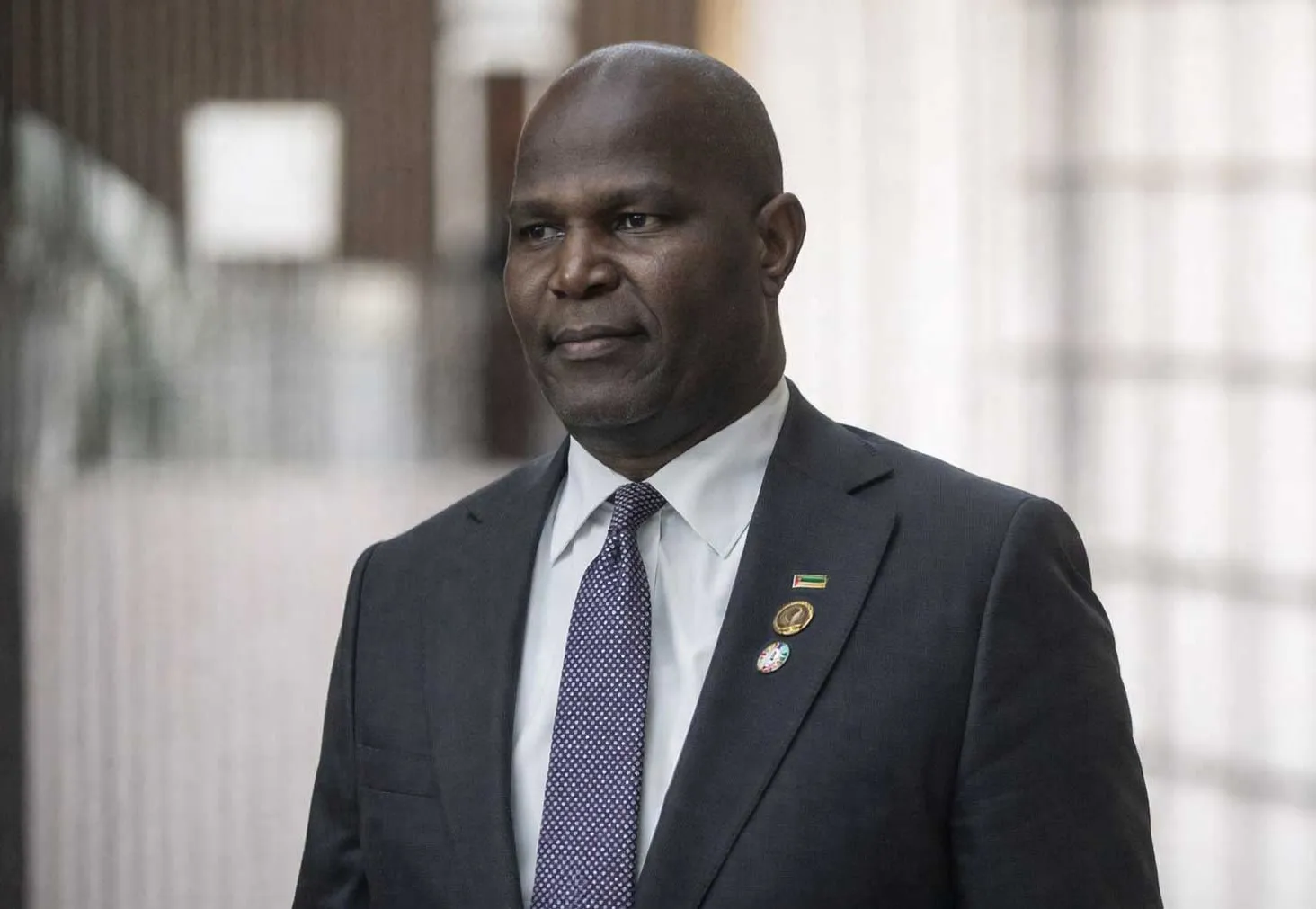
Mozambique's President, Daniel Chapo, described the rise in cases of Gender-Based Violence (GBV) as worrying, warning that the phenomenon is not only a crime under the law but also an obstacle to the country's development efforts.
In a message of congratulations on International Women's Day, celebrated on 8 March around the world, the Mozambican head of state observed that this year's observance comes at a time when more cases of Gender-Based Violence have been reported in the country, a situation he described as alarming.
According to Daniel Chapo, GBV is a hindrance to national progress, given the central role played by women in the economic, social, cultural and political life of Mozambique.
“Women and girls are more than half of our population, which is why, as a Government, we will continue to work so that they are deserving of special attention in our day-to-day lives”, the message states.
The leader also urged men never to opt for discrimination or violence, and instead to live alongside women as equal human beings, with the same rights and dignity.
Daniel Chapo recalled that, in Mozambique, men and women are equal before the law, as laid down by the Constitution of the Republic, enjoying the same rights and duties.
The President also noted that the date is a special moment to celebrate the achievements made in promoting the fundamental rights of women and girls, while renewing reflection on the injustices and discrimination that still persist.
Meanwhile, a group of a thousand Mozambican women presented, on Thursday, a set of proposals aimed at strengthening the protection of women's rights in the country. Among the main demands are the classification of femicide as a specific crime, the criminalisation of obstetric and digital violence, the creation of specialised judicial sections for cases of domestic violence, rape and harassment, and the strengthening of the economic independence of the courts.
The proposals are contained in a document drawn up as part of the initiative “The Faces and Voices of Women Count”, which consulted a thousand women from all Mozambican provinces in the context of the ongoing political dialogue aimed at reforms in the country. The document was submitted to the Technical Commission for National Dialogue (Cote), created to put this process into operation.
Among the proposed measures are the classification of femicide as a specific crime and the criminalisation of obstetric and digital violence, including the approval of specific legislation for these practices.
The group also advocates revising the Penal Code in respect of crimes against sexual freedom, as well as approving a specific law on Gender-Based Violence. It also proposes the creation of specialised sections in the courts to hear cases of domestic violence, rape, harassment and femicide.
In addition, the participants argue that the final document of the national dialogue process should include the implementation of a digitised judicial information system, with the aim of improving transparency and making it easier for the public to access information on justice matters.


