
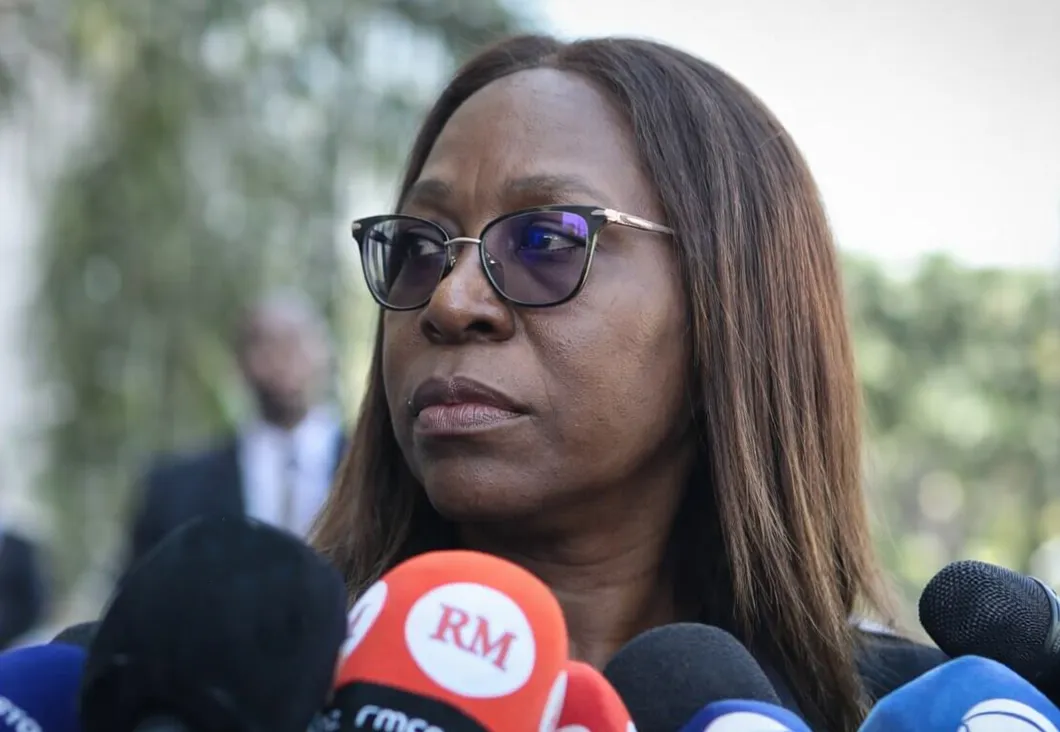
Mozambique's Prime Minister, Benvinda Levi, argued for a “profound transformation” of the national agri-food system as an essential condition for reducing poverty in the country in a sustainable way. The Prime Minister also stressed that this process must place women at the centre of its priorities.
“In speaking about agriculture, as the central theme of this event, we must recognise an unavoidable reality: there will be no sustainable reduction of poverty in Mozambique without the profound transformation of the agri-food system”, said Levi in Maputo, during the International Women's Day celebrations.
According to the head of government, the structural change of the sector necessarily involves recognising the decisive role of women and girls in agriculture.
“As a Government, our priority is to turn production into income and income into well-being for Mozambican families”, she declared, stressing that the central position of women in this process is unavoidable, since they make up a significant share of the agricultural workforce.
For Benvinda Levi, when women have access to land, technology, finance, markets and knowledge, the results are seen not only in increased production but above all in better living conditions for families and greater resilience in communities.
“For this reason, strengthening the participation and autonomy of women in the agri-food system is not merely a question of social justice; it is also an essential condition for accelerating the economic development of communities and of the country”, she stressed.
The Prime Minister added that placing women at the centre of economic transformation — especially in sectors where their participation is decisive, such as agriculture — must go hand in hand with the full guarantee of their rights and their safety.
Citing the Government's Five-Year Programme 2025-2029, Levi recalled that the document sets as its central objective the acceleration of inclusive and sustainable economic growth, with a commitment to diversifying the economy. In this framework, agriculture emerges as one of the strategic areas for driving national development, through the modernisation of the sector, the strengthening of value chains, the creation of production hubs and the training of smallholder farmers.
The President of Mozambique, Daniel Chapo, also warned of challenges that continue to affect the role of women in development. On Sunday, the head of state described the rise in cases of gender-based violence (GBV) in the country as worrying.
In a message marking International Women's Day, Daniel Chapo observed that this year's celebration takes place in a context marked by a growth in reports of gender-based violence — a reality he considers worrying not only because it is a crime under the law.
According to the President, GBV also represents a direct obstacle to national development efforts, given the central role that women play in the economic, social, cultural and political life of Mozambique.


