
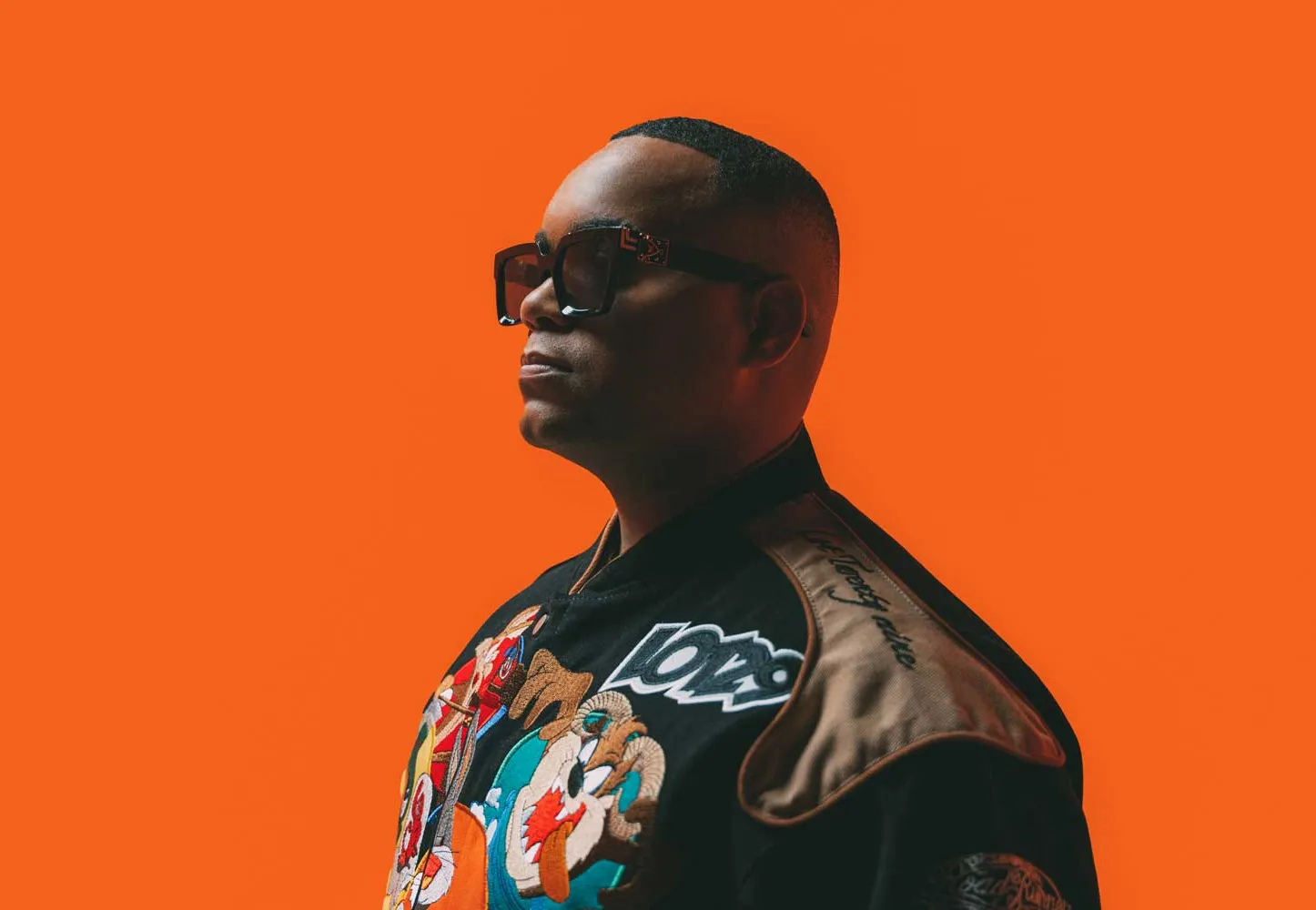
Lusophone music has the unique ability to cross borders and unite the PALOP countries through language and culture. How do you see this connection, and how does it help your songs reach so many countries, as is the case?
Yes, that is absolutely true. I think this connection is extremely important and, without a doubt, it helps enormously to take my music to the four corners of the world. In fact, let me give you a small example: on YouTube, the second country that consumes my music the most is Timor-Leste, which, if I am not mistaken, has around 1.4 million inhabitants and is in Asia. For me, knowing that my music is listened to in around 180 countries is a huge source of pride. But I also make an appeal for even more unity in our music industry, because, if there were, we could be doing even better.
Your songs have a very distinctive energy, whether for dancing or for feeling deeper emotions. When you are composing, do you think more about the impact the song will have on the audience, or do you let the melody and lyrics guide you without thinking about that?
In almost every song, I start by creating the chorus, because I think it is one of the most important parts – perhaps even the most important. To be honest, I often end up not thinking about the impact, and the one who thinks about that is my executive producer and manager, Ricardo Nóbrega.
Many artists talk about the pressure of the music industry. Have you ever felt that you needed to reinvent yourself to keep up with changes in the market?
That is a very interesting subject because, indeed, it is an industry where there is immense pressure. But, to be honest, from the very beginning I have tried to reinvent myself every day. I like to learn, to produce new styles, to create new sounds and to blend styles in my productions and compositions.
What has changed most in the way you create music from the start of your career until now? Is there anything you used to do that no longer makes sense to you today?
There are always things that change, because the more experience and maturity we have, the more we try to evolve – without ever losing our musical identity.
Kizomba has gone through various phases and evolutions over the years. Is there still room for innovation in the genre, or do you believe it has reached its peak?
I think that, as long as there is imagination, there will always be something to innovate or to fuse styles. However, that innovation is not always beneficial to the musical genre. But we should always respect the basic rules of a style.
Many people know your hit songs, but is there a song of yours that you consider special and that you feel has not yet received the attention it deserves?
For me, all my songs are special. I always say that the most special song I have is "Tá-me Esperare". But, to answer your question, sometimes we make songs to try to address themes that we consider important, but they are not always valued as we would like. I would highlight a song of mine called "Ninocolocolo", which is about bullying. This song is part of my second album, Memórias, and perhaps it did not receive the attention it deserved.
We know that many songs are born from personal stories. Have you ever released a song that you later regretted sharing because it was too intimate?
Many of my songs were created from personal stories – mine or other people's. But I have none that I regret for being too intimate.
Is there an unexpected musical style you would like to try? Something your fans would never imagine hearing in your voice?
Yes, there are plenty of styles. In fact, anyone who knows me knows that I am very versatile. If you came to the studio with me one day, you would hear a lot of music in different styles – ideas that were created but never released.
The new generation of artists is bringing new influences to Lusophone music. If you had to choose one young talent to mentor in the industry, who would it be and why?
It is difficult to single out just one young talent, because right now there are dozens, or even hundreds, of young people with immense talent on the Lusophone music scene. It gives me great pleasure to see this, because it is this new generation of artists who will continue to carry and elevate Lusophone music to the four corners of the world.
And in Mozambique, is there any name that has caught your attention or with whom you would like to collaborate?
Mozambique has an enormous cultural treasure and many artists of great quality with whom, one day, I would have no problem collaborating. It would be unfair of me to name only a few, as there are countless Mozambican artists whose work I appreciate.
It has been years since you performed in Mozambique. Can we expect a new concert from you soon?
I went to check the date of the last time I was in Mozambique and found that it was on 5 March 2016 – nine years ago now. Over these years, various invitations have come in, but they end up not materialising. But yes, you can count on the fact that I very much intend to return to Mozambique to give a big live concert with my band. I miss Mozambique a great deal and I left many good friendships there.
Would you like to leave a message for your Mozambican fans?
To all my Mozambican fans and to all the people of Mozambique, I want to thank you for the way in which, over these years, you have supported me, encouraged me and given me your affection and love. I love those people and that culture. I want to tell you that I will keep giving you good music, with all my respect and affection. Thank you all! Oh, and when I return to Mozambique, I will shoot one or two more music videos in this magnificent country.


