
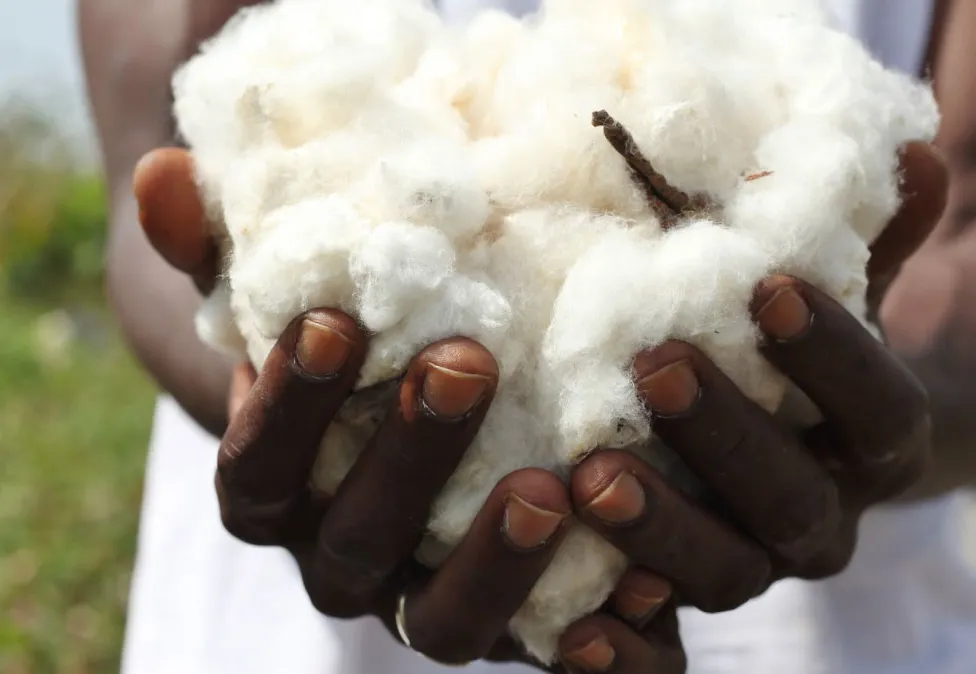
The Mozambique Cotton and Oilseeds Institute (IAOM) highlighted, as part of the Mozambique Fashion Forum 2025, the progress and obstacles faced by artisanal cotton processing initiatives, a sector in vibrant expansion in the producing provinces. The event, focused on sustainable fashion, innovation and entrepreneurship, is being held in Maputo and ends on Tuesday, 2 December.
According to the IAOM's Director of Central Services for the Promotion of Value-Added Markets, Ancha Ismail, these initiatives stem from cooperation with Ethiopia, a country renowned for its textile tradition, which made it possible to train Mozambican technicians in key areas such as spinning, weaving and the artisanal manufacture of equipment. The trainees returned to the country as multipliers of knowledge, establishing community hubs in Cabo Delgado, Nampula and Cuamba (Niassa), today equipped and trained to take part in the whole cotton production chain.
The IAOM was instrumental in creating processing centres, providing raw material, certifying the training and designing sustainable business models. With support from the Fund for the Promotion of Agriculture, Industry and Commerce (FPLAIC) and in partnership with NGOs, textile companies and local associations, the Institute has consolidated a network that fuses agriculture, creativity and youth entrepreneurship.
The sector's development has been marked by important milestones: the Textile Revival Fund (2019), Jean Ferreira de Santos (2020), the Netherlands Development Organisation (2021) and, more recently, the National Forum of Cotton Producers (2023), which launched an association for community mobilisation. This coordination has helped to anchor handcrafted production with an identity of its own.
On the fashion side, designer Isis Mbanga was emphatic: “Mozambican cotton has the potential to conquer international markets if there is continued investment in training and quality.” She also stressed the role of community work in establishing made in Mozambique, praising the country's ability to compete with established African brands.
Women's empowerment was another key point. Ancha Ismail highlighted women's decisive involvement in the stages of spinning, dyeing, cutting and sewing. These activities have resulted in economic autonomy and income generation, promoting more inclusive and structured participation in the value chain.
Economically, the impacts are already visible: job creation, added value for local cotton, a boost to women's microcredit and the development of products that blend tradition and modernity. However, the challenge of internationalisation remains, as does the need for global certification and greater access to competitive markets.
Looking ahead, the IAOM projects an ambitious positioning: to consolidate Mozambique as a benchmark in sustainable fashion, develop luxury women's collections and make the made in Mozambique label synonymous with quality, culture and innovation on the international stage.


