
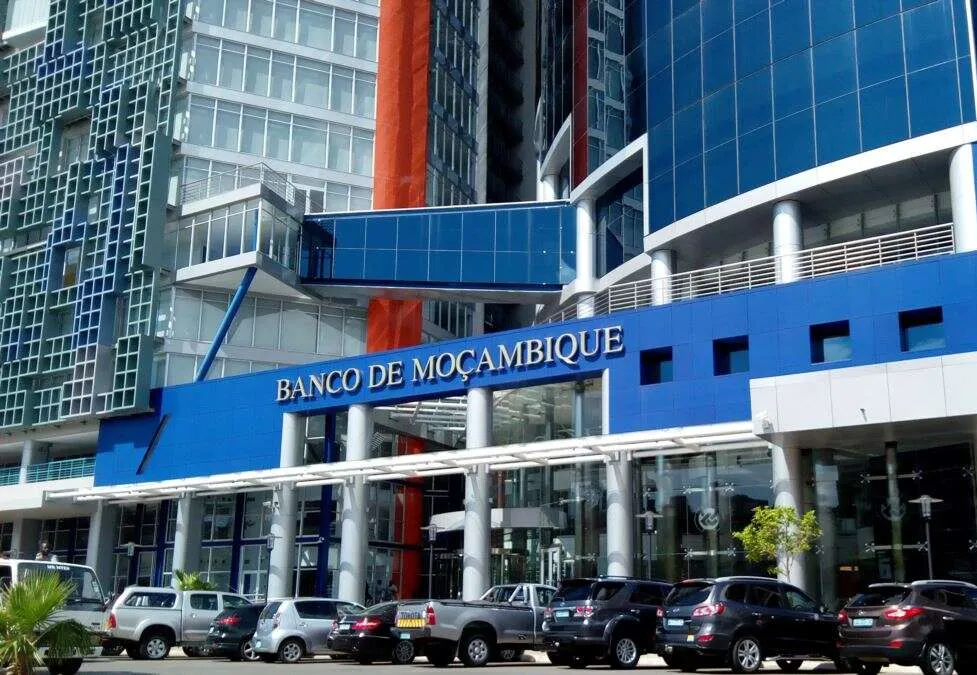
In an attempt to contain inflation in Mozambique, Silvina Abreu, one of the leading officials at the Bank of Mozambique (BM), suggested that the economy may have to face short-term difficulties. The decision, which comes in response to criticism from business, stems from the implementation of monetary policy measures.
Ms Abreu defended this position during an event organised by the Confederation of Economic Associations of Mozambique (CTA), arguing that although the economy may temporarily suffer from the effects of these policies, it would be in the interest of a broader benefit. The BM's mission is to ensure that, once this phase has been overcome, inflation falls, which will benefit all the economic agents and households involved in the market.
The question of the maximum extent of the monetary policy measures still hangs in the air, with Ms Abreu offering no clear commitment. The Gordian knot lies in the increase in the reserve requirements that commercial banks must hold with the central bank. The regulator recently decided to raise these ratios to 39% of liabilities in local currency and 39.5% in the case of foreign currency, marking the second rise of the year.
Year-on-year inflation in Mozambique fell in April to 9.6%, the lowest figure in 12 months. Although the official justification for raising reserves is to absorb excess liquidity in the banking system, business people fear that the decision will make bank financing even more costly. The measure will particularly affect small and medium-sized enterprises, increasing financial difficulties.
Oldemiro Belchior, vice-president for Financial Policy and Services at the CTA, stressed the adversities that companies will face. The increase in reserve requirements will lead to a rise in interest rates and debt servicing "will worsen, not only for those seeking credit, but also for those who already have it".
João Figueiredo, president of the Portugal-Mozambique Chamber of Commerce and a prominent figure in the Mozambican banking sector, said that such a policy will result in higher interest rates and a negative impact on the whole economy, affecting everyone from large companies to individual households.
While acknowledging the short-term pressure, Silvina Abreu rejects the idea that monetary policy is solely responsible for the shortage of credit in the economy. Ms Abreu encourages the banking sector to adopt more "creative" approaches to enable the financing of the economy and states that the BM is fulfilling its role, without which inflation could grow beyond what is acceptable.


