
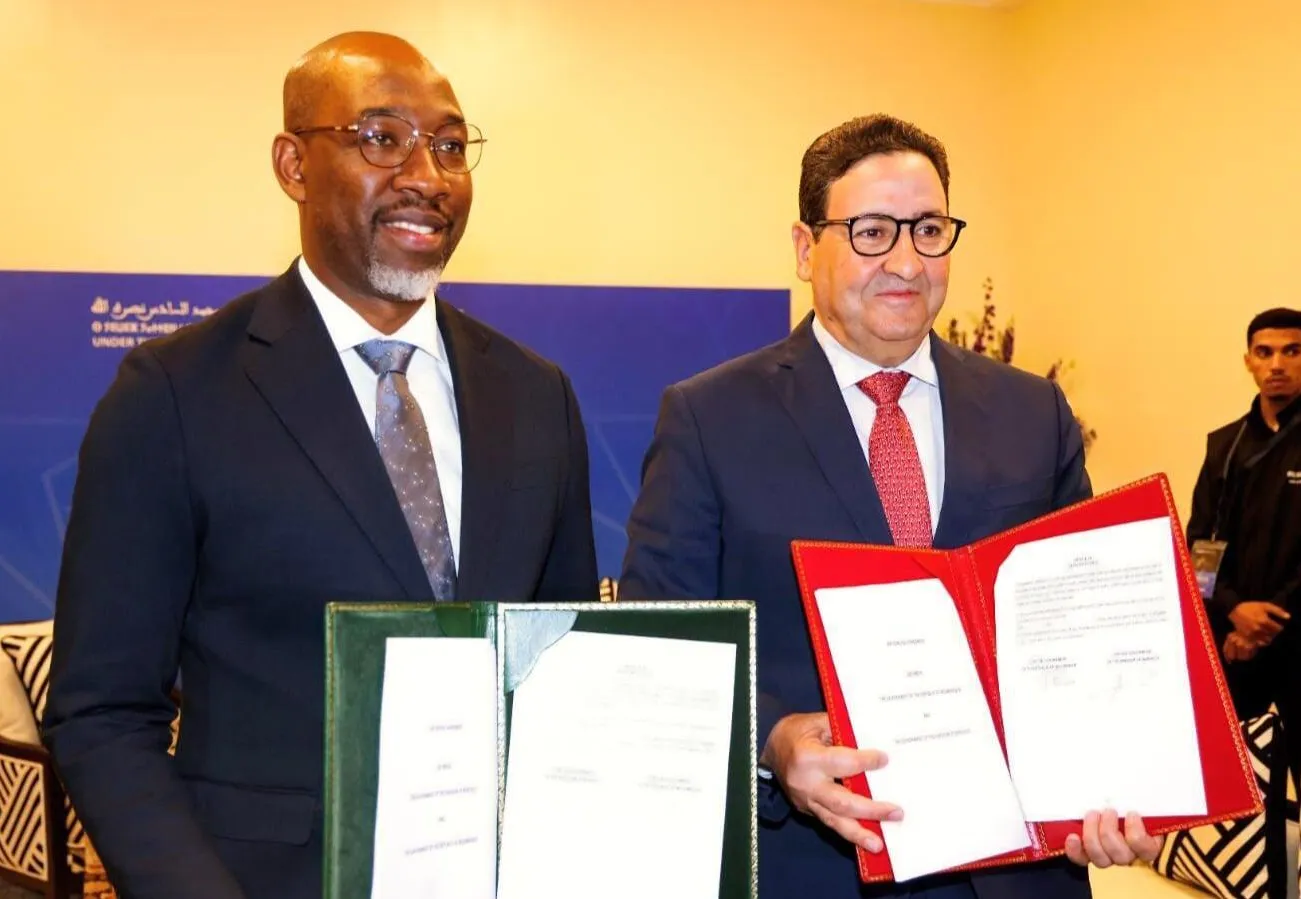
In a move that redraws the maps of African mobility, Mozambique and Morocco have taken a decisive step towards a new era of strategic cooperation. At the centre of this advance is civil aviation — a sector where the sky ceases to be the limit and becomes an opportunity.
The two countries have formalised a memorandum of understanding that paves the way for direct air links, notably the future route between Maputo and Casablanca. More than a simple connection between economic capitals, it is a clear bet on bringing markets, cultures and investment flows closer together.
The agreement was signed by João Matlombe, Mozambique's Minister of Transport and Logistics, and his Moroccan counterpart, Abdessamad Kayouh, in a gesture that symbolises the strategic alignment between two countries seeking to establish themselves as key nodes in the continent's transport networks.
Beyond the opening of routes, the understanding provides for deep technical cooperation. It involves training Mozambican staff, strengthening operational safety and modernising the governance of the Civil Aviation Institute of Mozambique — essential pillars for sustaining solid and sustainable growth.
João Matlombe described the agreement as “a firm step” in strengthening bilateral relations, placing it within a broader vision: turning the Port of Nacala into a true regional logistics hub, integrated into the dynamics of the Southern African Development Community. The ambition is clear — to position Mozambique as a strategic platform able to link the African interior to the major global corridors.
The new route to Casablanca also comes as a gateway to other strategic links, above all with Europe, taking advantage of Mozambique's privileged location in international trade and mobility chains.
From an economic standpoint, the expected impact is wide-ranging. Sectors such as oil and gas, tourism, trade and logistics should benefit from a more fluid movement of people, goods and services, creating a more competitive and attractive environment for foreign investment.
Part of the Civil Aviation Master Plan, this agreement also reinforces the government's strategy of turning Nacala into a leading logistics corridor. In a continent where connectivity sets the pace of development, each new route represents more than a shortened distance — it is an expanded opportunity.
On a broader level, the partnership with Morocco, already established as an air link between Africa, Europe and the Middle East, could accelerate Mozambique's integration into international networks. A quiet but strategic move that repositions the country on the African geopolitical chessboard.


