
In our country, where summer often brings temperatures above 35 °C, most families live without air conditioning. Over time, in different regions of the country, building techniques adapted to the climate have emerged that lower indoor temperatures without using electricity.
In the north, on Mozambique Island, the historic stone-and-lime houses were designed to withstand heat and humidity. The thick walls insulate against the heat, while internal courtyards and high verandas facing the sea take advantage of the breeze. The narrow streets remain shaded for much of the day, helping to cool the air that circulates between the dwellings.
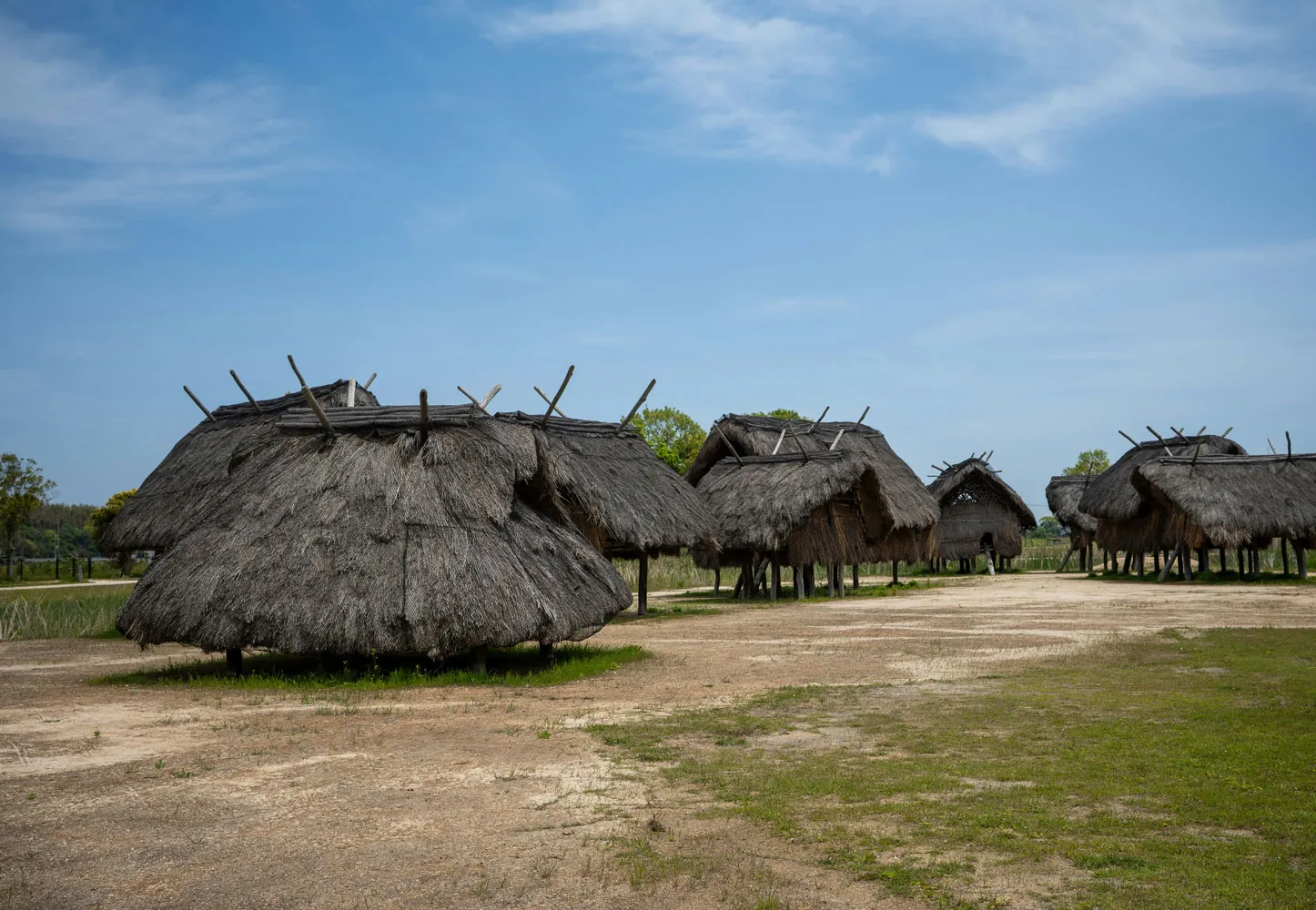
In Zambezia and the Zambezi valley, huts of wattle and daub or adobe, with high, steeply pitched thatched roofs, allow warm air to rise and dissipate. The clay walls retain the coolness accumulated overnight and release it slowly during the day. Small openings facing the prevailing wind direction promote cross-ventilation.
In the Centre and the South, where zinc sheeting is commonly used, practical solutions have emerged to reduce the heat. Painting the roof white or in light colours reflects part of the solar radiation. Covering the zinc with coconut palm leaves or grass creates an additional thermal barrier. Some residents install false ceilings made of wood, reed or cardboard, reducing direct contact with the heat accumulated in the metal.
In houses built of brick or cement, orientation and architectural design greatly influence thermal comfort. Wide eaves, walls painted in light colours and windows positioned to catch the direction of the breeze help to keep the interior cooler. In some cases, internal courtyards or shade trees in the yard help to lower the ambient temperature.
These solutions, simple and adapted to the resources available, show that building in accordance with the climate remains an effective way of improving thermal comfort — and that local wisdom has a decisive role to play in Mozambican housing.


