
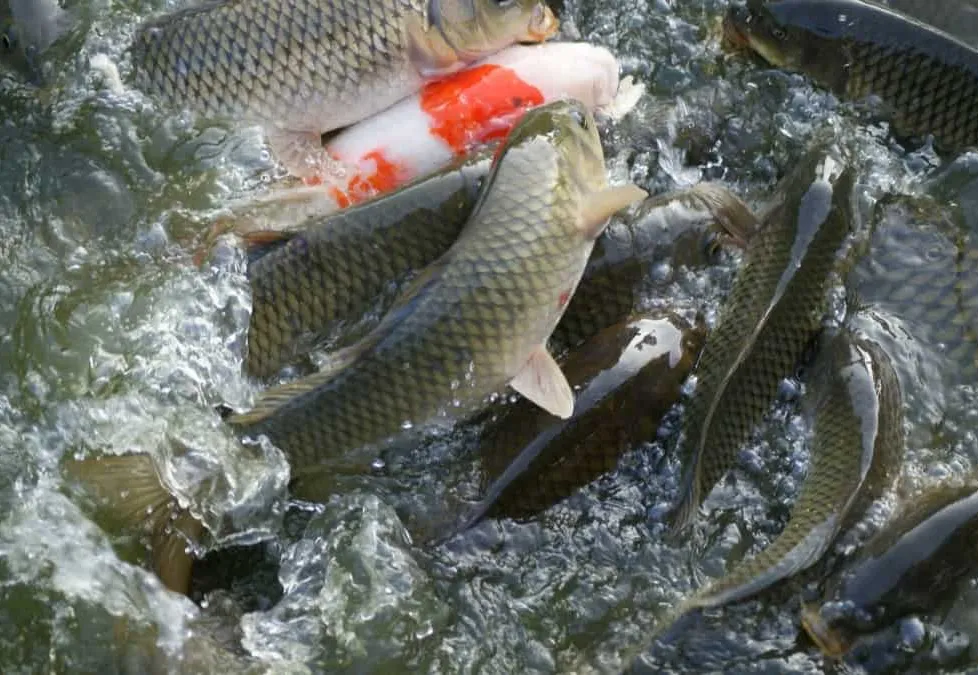
In Tete, a province in north-western Mozambique, an ambitious project is under way to produce four thousand tonnes of farmed fish. Part of a broader strategy to promote aquaculture in the region, the project's main aim is to strengthen food security and contribute to local economic development by increasing fish production.
The initiative responds to the growing food security challenges in Mozambique, as well as to the need to diversify local communities' sources of income and food. The choice of Tete as the setting for this project is no accident; the region has abundant water resources that are ideal for aquaculture, as well as a pressing need for sustainable economic alternatives.
The provincial government, in collaboration with several development partners, has designed this project in several phases, beginning with the construction and equipping of fish-farming ponds, technical training for local producers and the implementation of sustainable aquatic resource management practices. The goal is not only to reach production of four thousand tonnes of fish a year but also to ensure that this economic activity is sustainable and beneficial to the communities involved.
Besides its direct impact on food security and on local households' incomes, the project also has the potential to create jobs, foster entrepreneurship and stimulate the local economy. Diversifying agricultural production with the introduction of farmed fish represents a significant innovation for a region that traditionally depends on agriculture and river fishing.
This project reflects Mozambique's commitment to sustainable development and to adopting practices that can guarantee food security in the long term, while preserving natural resources and promoting the economic inclusion of rural communities.


