
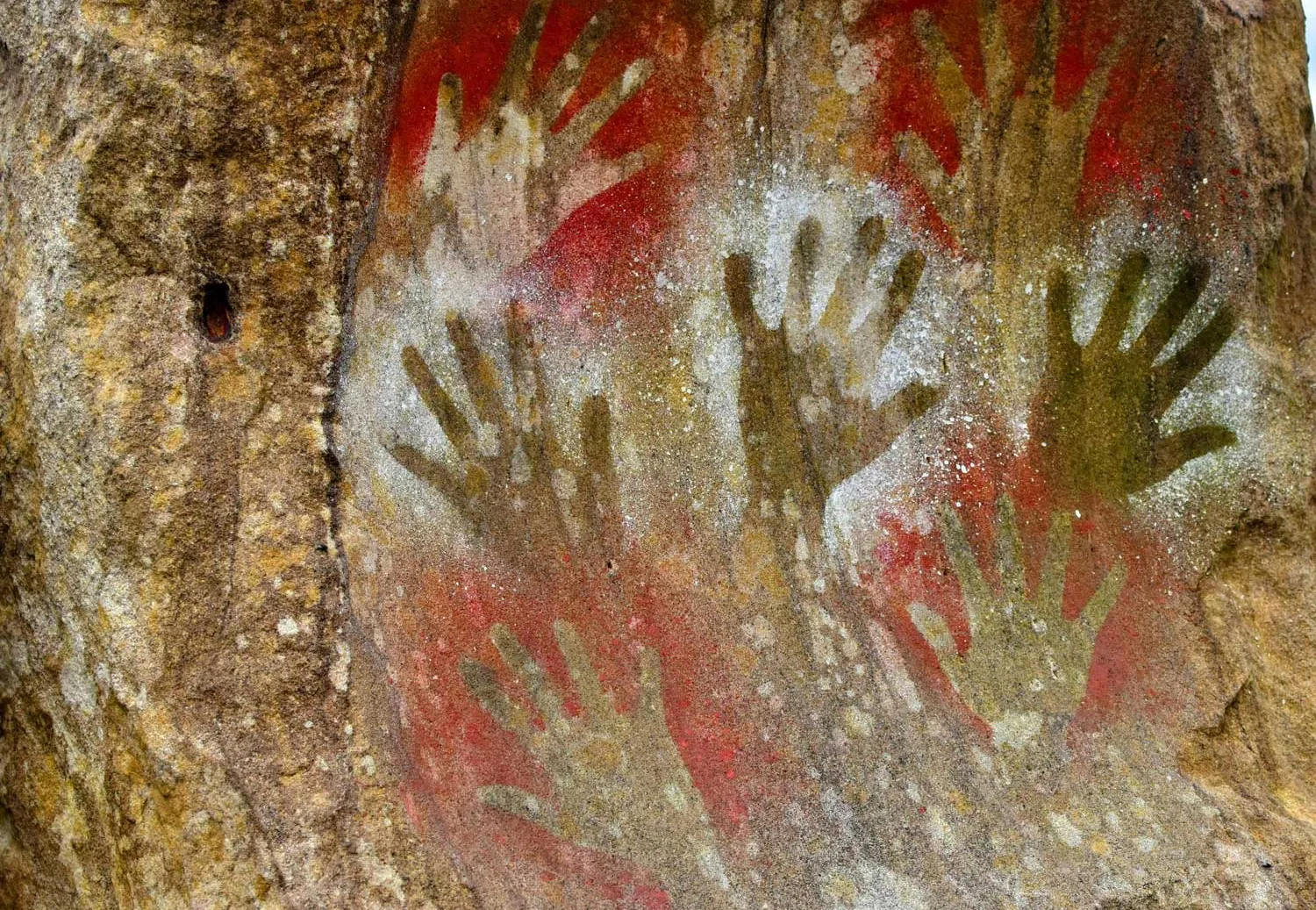
Mozambique, with its rich and diverse history, is home to a number of rock paintings dating back thousands of years, offering a fascinating window onto the lives and beliefs of the ancient peoples who once called this land home. Rock paintings have so far been discovered in the mountainous areas of the provinces of Manica, Tete, Nampula, Zambezia and Niassa.
On Mount Chinhamapere, for example, in Manica province, there are paintings in a rock shelter that are true prehistoric treasures. They depict a variety of scenes ranging from ritual dances to hunting scenes, including representations of several animal species, such as elephants, lions and antelopes. In the Limpopo River valley, there are equally impressive rock paintings. Here, human figures are often accompanied by animals, indicating the importance of wildlife to local communities, both for sustenance and for spirituality. These paintings also suggest a deep connection with nature and a sophisticated understanding of natural cycles, essential for survival and prosperity.
It is interesting to realise that the colours are not random. Red pigments, often made from haematite (anhydrous iron oxide), could symbolise blood, power or vital energy, while white pigments, made from kaolin, could represent purity or access to the spiritual. Each painting is a complex visual narrative, laden with symbolism and meaning.
Rock paintings are an invitation to look back at the long and diverse history that has unfolded on this soil. Preserving and studying them is crucial to understanding the history of Mozambique better, and to sharing it with the world. These efforts are essential to ensure that future generations can also learn from and be inspired by these windows that shed light on the past.


