
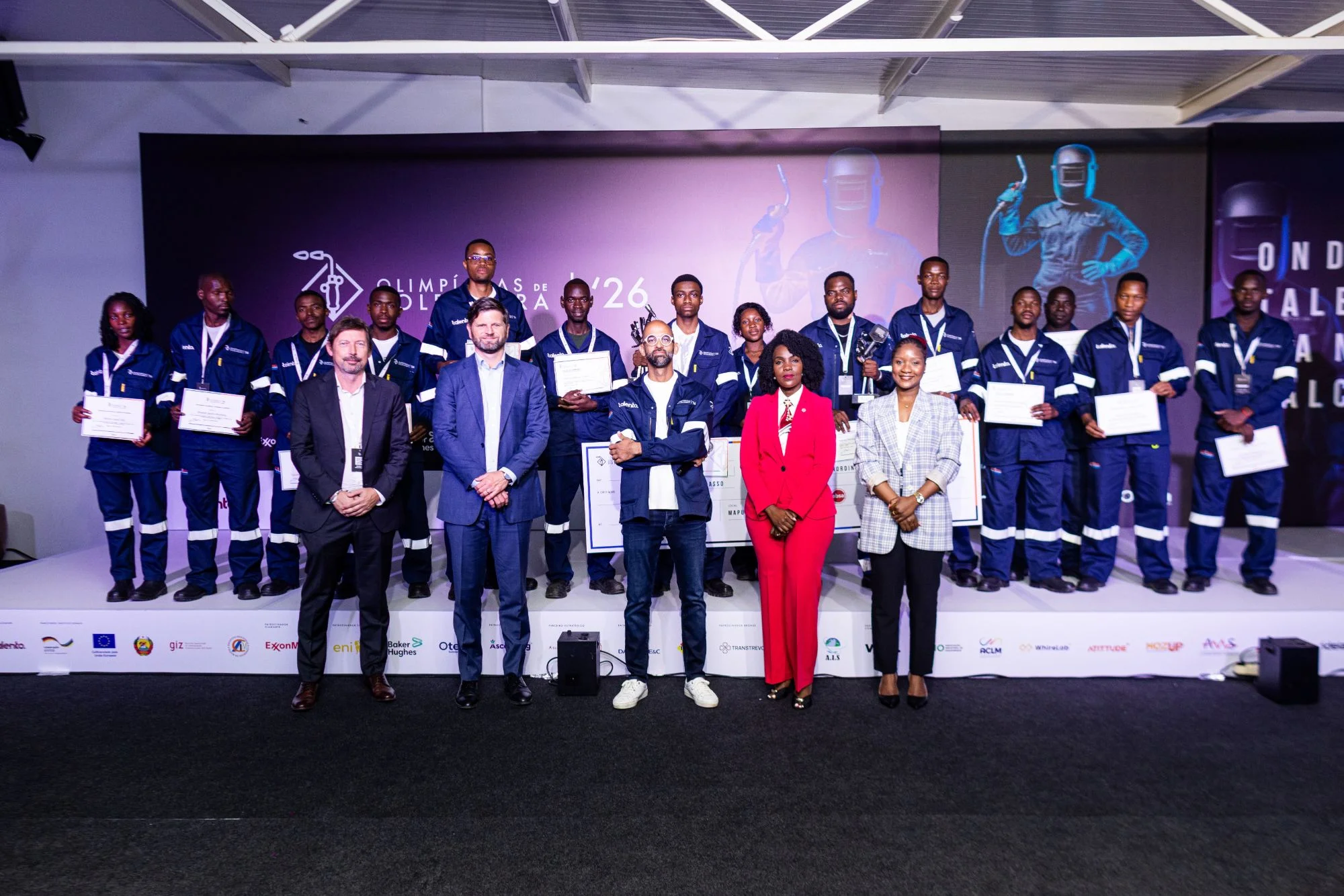
With 29 participants from ten training institutions, the second edition of the Welding Olympics showcased the skills of Mozambican professionals and reinforced the importance of technical and vocational education in the country's industrial development. This year, the initiative also reached Cabo Delgado, opening up new prospects for raising the profile of technical professions.
Welding is one of the fundamental skills underpinning industries such as construction, metalworking and energy. Behind major infrastructure and industrial projects are skilled professionals whose expertise and precision make all the difference. It was precisely this talent that took centre stage at the second edition of the Welding Olympics 2026, an initiative aimed at bridging the gap between technical training and real opportunities in the labour market.
The competition brought together 29 participants, including four women, from ten public and private institutions. This year, the initiative expanded its geographical reach, with competitions held in Maputo and Cabo Delgado, a province of particular importance to Mozambique's energy development.
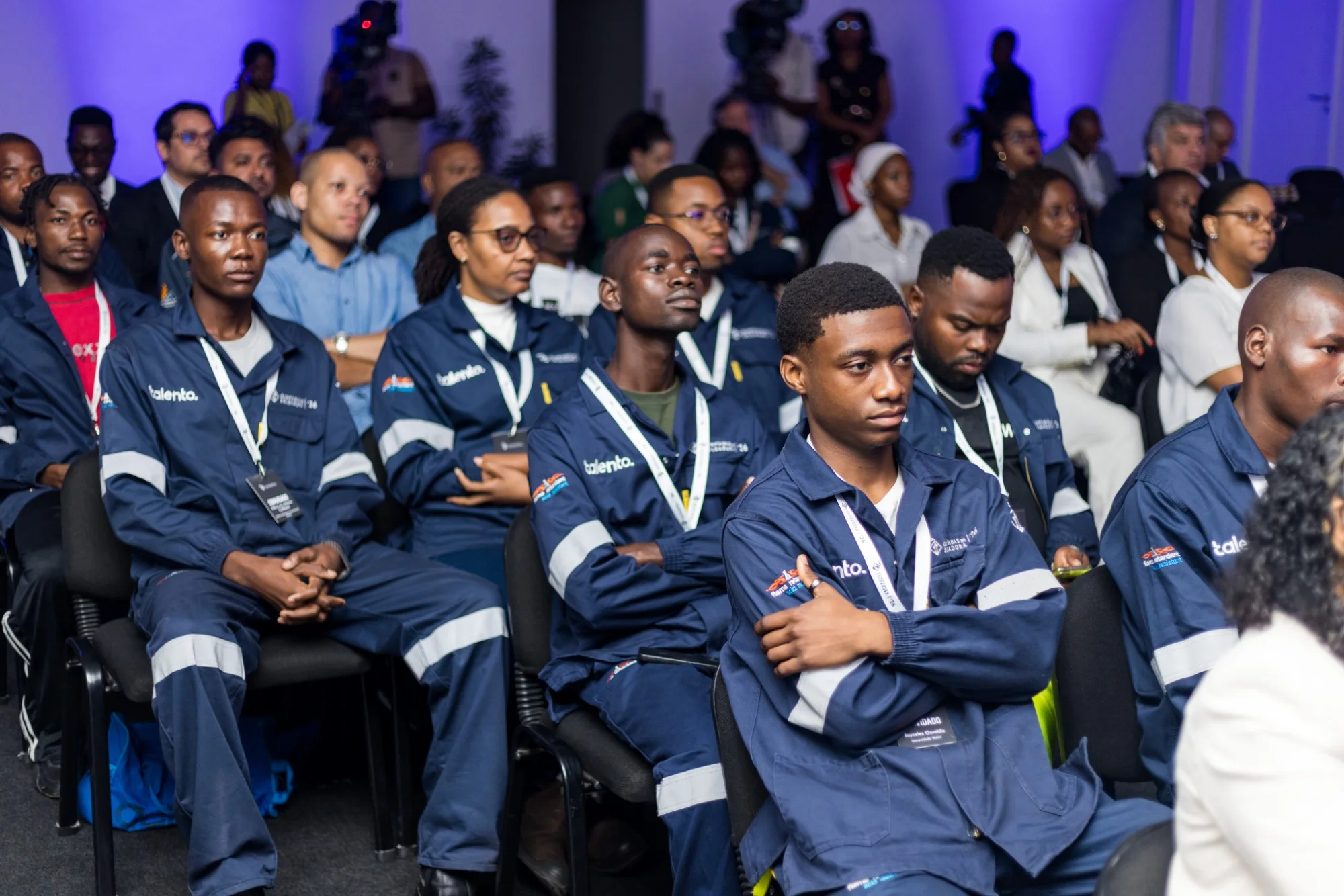
The event culminated on 8 October with a national awards ceremony attended by around 150 guests, including representatives from the Government, training institutions, businesses and industry partners.
Recognising the professions that drive the economy
More than just a competition, the Welding Olympics aims to help change the way technical professions are perceived, recognised and valued in society.
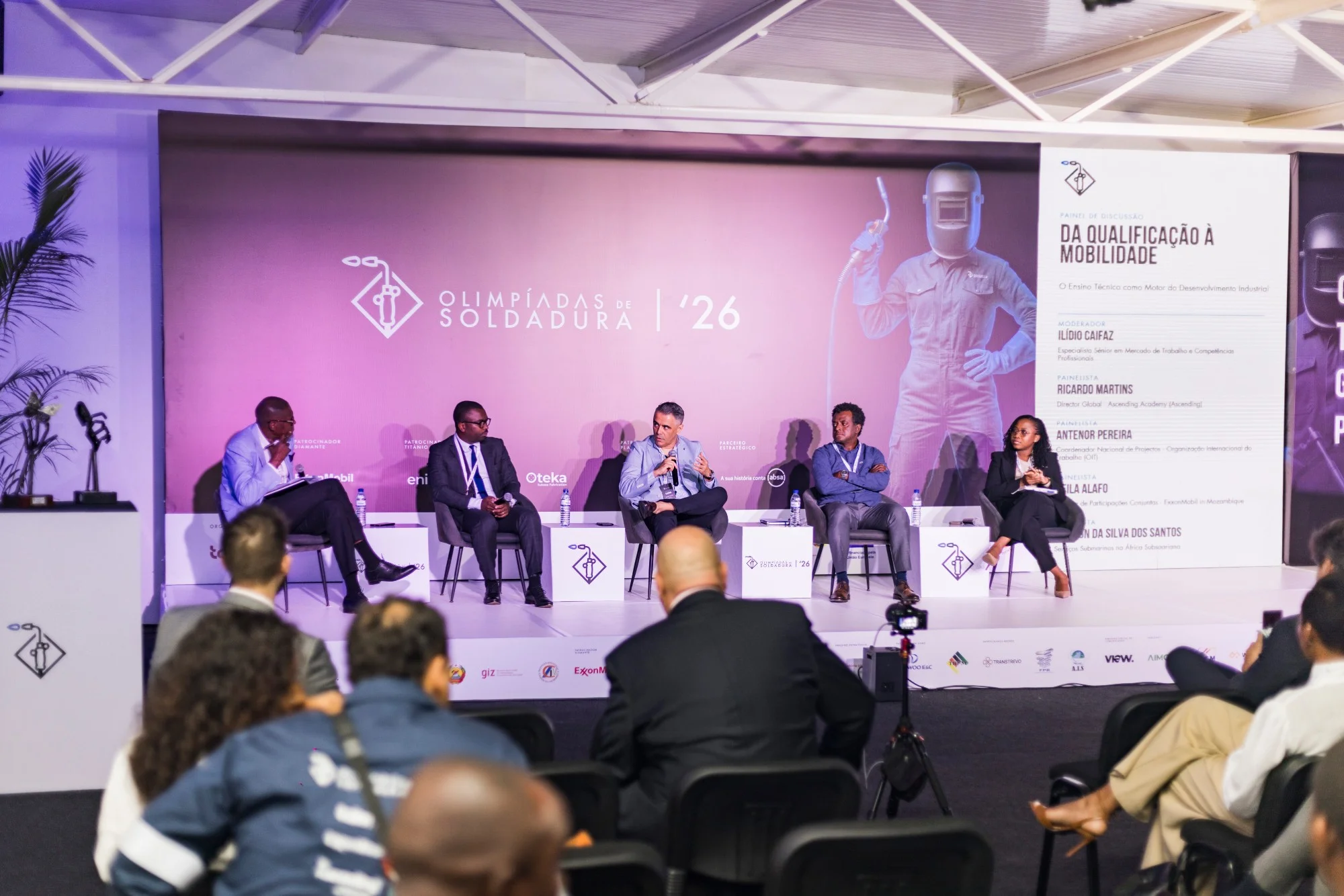
At the opening of the ceremony, the Secretary of State for Technical and Vocational Education, Léo Elias Jamal, highlighted the need to transform the initiative into a platform for recognising national talent.
Frederico P. Silva, CEO of Talento, the organising body, also emphasised the strategic importance and dignity of technical professions, arguing that welding should not be regarded as a less prestigious career option, but rather as a profession essential to industrial progress.
The organisers also announced plans to expand the Welding Olympics to Beira in 2027, introduce new technical disciplines and develop an employment and exchange platform, further strengthening connections between professionals and companies.
Ad space
1245 × 289px
From training to opportunities in industry
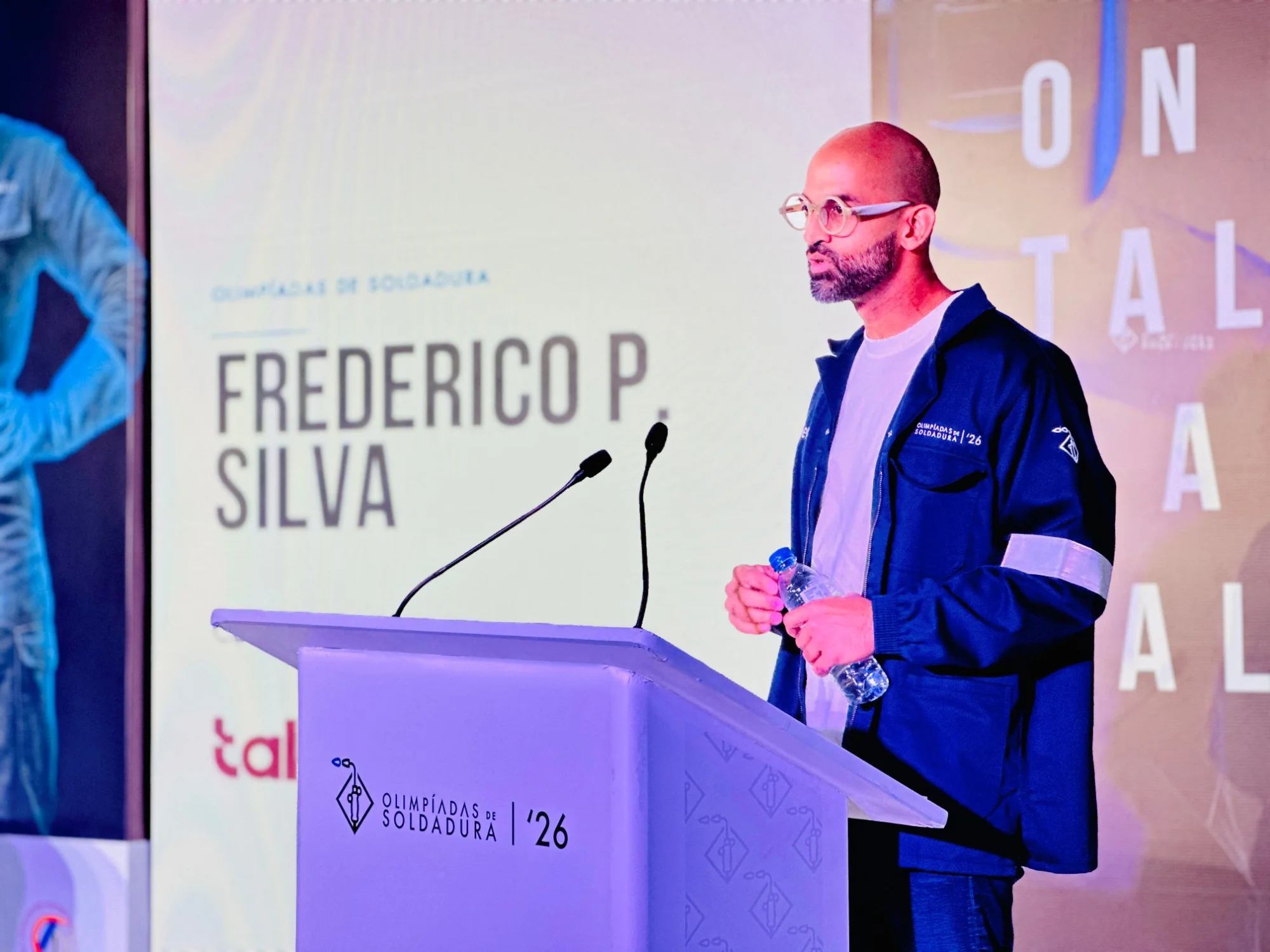
One of the highlights of the event was the panel discussion, “From Qualifications to Mobility: Technical Education as a Driver of Industrial Development”, which brought together experts and industry representatives to discuss the challenges facing vocational training in Mozambique.
Topics included international certification, workplace safety and the need to align training programmes with labour market requirements.
ExxonMobil Mozambique outlined its target of achieving 85% national workforce participation in certain industrial projects, while Arne Gibbs, the company's General Manager, announced a new phase of the Rovuma LNG project, with the introduction of technical training programmes in operations and maintenance.
Ad space
800 × 514px
The discussion reinforced an important message: Mozambique's industrial development also depends on its ability to train professionals equipped to meet the demands of increasingly specialised sectors.
Recognising outstanding talent
The awards ceremony celebrated participants who demonstrated the highest levels of competence during the competition, with the top performers receiving cash prizes from Absa Bank and access to a professional internship programme.
In the Northern Zone, the winners were Tabuche Rocha Saide in the Trainees category and Pili Njala Amisse in the Trainers/Professionals category, who distinguished herself by winning in a professional technical category.
Ad space
800 × 514px
In the Southern Zone, first place went to Joyceles Osvaldo Mabasso in the Trainees category and Aquino Nordine Zamane Daudo Ali in the Trainers/Professionals category.
The ceremony also provided an opportunity to recognise inspiring career journeys. The Inspiring Woman Award, presented in partnership with IdeiaLab, honoured Luísa Suzete Macandza for her career achievements and dedication to the industrial sector.
The recognition held particular significance in an edition that featured four female participants, highlighting the importance of continuing to create opportunities for women in technical fields traditionally dominated by men.
Ad space
800 × 514px
A future built on national talent
Organised by Talento, with the involvement of institutional partners and companies from various sectors, the Welding Olympics is establishing itself as an initiative that seeks to bring education, industry and employment closer together.
With the next edition already set to expand to Beira, the Welding Olympics is beginning to take on a significance that extends well beyond the competition itself.
The prospect of professional internships, direct contact with companies and potential new employment opportunities gives the initiative particular importance for its participants.
For the winners, the prizes represent recognition of their skills. For the other participants, the experience offers an opportunity to compete, learn and establish connections with an industry increasingly seeking highly qualified professionals.
Ad space
800 × 514px
It is precisely this closer relationship between training and the labour market that represents one of the Welding Olympics' greatest achievements.


