
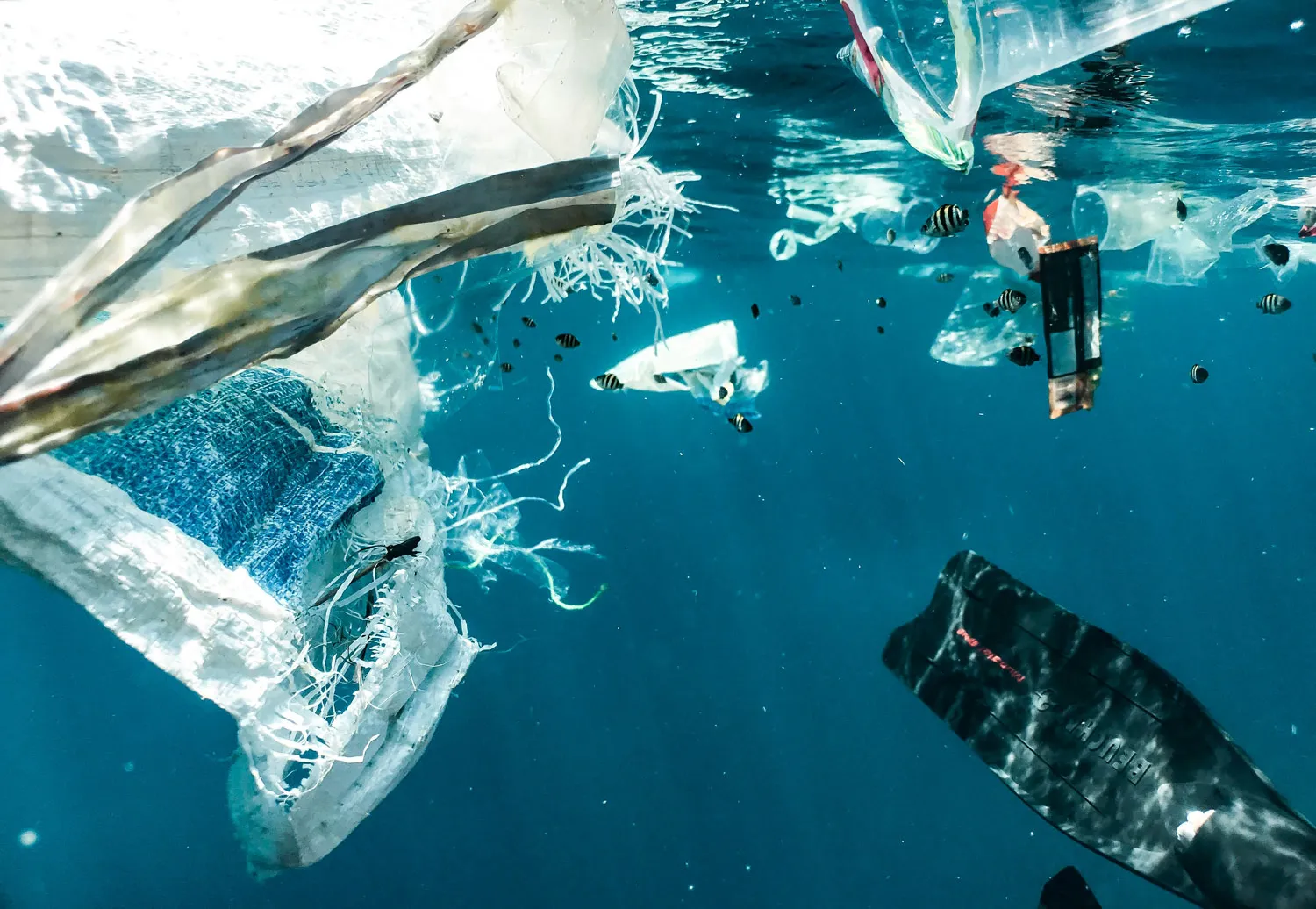
Environmental pollution has become one of the greatest global challenges of our time, and Mozambique is not immune to this reality. On the country's beaches, solid waste accumulates daily, harming the ecological balance, public health and the local economy. The problem goes far beyond the mere presence of visible rubbish on the sand; it is a phenomenon that compromises marine life, alters ecosystems and is directly reflected in the quality of life of coastal communities.
Most of the waste found in Mozambique's coastal areas is single-use plastic, such as bottles, bags, packaging and straws, items that also top the list of the most common debris collected from beaches globally, according to the Ocean Conservancy's annual report (2024). These materials, which are slow to decompose, break down into microplastics that are ingested by fish, turtles and seabirds, and later enter the human food chain. International studies indicate that microplastics are already present in human blood and even in the placentas of babies, which shows how serious the problem is and how closely it is linked to health.
Local and global mobilisation
In Mozambique, beach pollution has direct consequences for communities that depend on artisanal fishing. Species that are fundamental to the diet and to the coastal economy, such as sardines, prawns and horse mackerel, are increasingly affected by changes to their habitats. The decline in fish populations is not only the result of overfishing, but also of environmental degradation caused by toxic waste that compromises the species' reproductive cycle. For many families who live off fishing in coastal areas such as Beira, Nacala or Pemba, this means less income, greater food insecurity and increased social vulnerability.
Another less visible but equally worrying impact is the alteration of the atmosphere caused by the improper burning of rubbish, a practice that is still common in several coastal neighbourhoods. The emission of toxic gases contributes to global warming and aggravates respiratory problems among local populations. This vicious circle, in which land pollution turns into air and marine pollution, shows how interconnected the environmental question is and why it demands integrated solutions.
At the international level, various initiatives have drawn attention to the urgency of acting. World Cleanup Day, celebrated annually in September, is an example of global mobilisation on behalf of the environment. In Mozambique, this movement has also been gaining strength. During the 2025 edition, in Maputo, EUMAM MOZ, in partnership with the association Repensar, organised coastal clean-ups that resulted in the collection of hundreds of kilograms of solid waste from the city's beaches. The action involved students, activists, ordinary citizens and private companies, demonstrating that the fight against pollution depends on the commitment of every sector of society. These mobilisations not only remove tonnes of waste from the environment, they also play an educational role, by raising public awareness of the impact of daily consumption.
However, experts warn that clean-ups alone do not solve the problem. Structural, long-term changes are needed. Investment in environmental education must begin in schools, to form conscious citizens from an early age. Community awareness campaigns, combined with practical incentives such as separate waste collection points and support for recycling cooperatives, can create economic dynamics and reduce improper disposal.
Another key point is the role of the State and of companies. The implementation of stricter public policies that hold industries and distributors responsible for managing the waste they produce is essential. Many countries have moved ahead with banning single-use disposable plastics, such as bags and straws, and Mozambique can follow the same path, adapting these measures to its social and economic reality. At the same time, there should be incentives for innovation, stimulating the development of biodegradable packaging and solutions based on the circular economy.
Culturally, Mozambique has a strong connection with the sea. Its beaches are not only leisure spaces, but also community meeting points, a source of livelihood and symbols of national identity. Preserving the coastal environment means protecting not only biodiversity, but also the country's cultural and economic heritage.
Pollution, when ignored, becomes a silent threat. But when tackled collectively, it can become an opportunity for sustainable development. Small actions, such as reducing plastic consumption, taking part in community clean-ups or supporting recycling projects, when multiplied, have a transformative impact. And if the example set on World Cleanup Day 2025 in Maputo shows anything, it is that Mozambique has the capacity to mobilise and inspire concrete change.
The fight against pollution is, ultimately, a struggle for dignity, health and the future. Preserving the environment is not an option, but an urgent necessity to ensure the survival of all of us on a balanced planet.


