
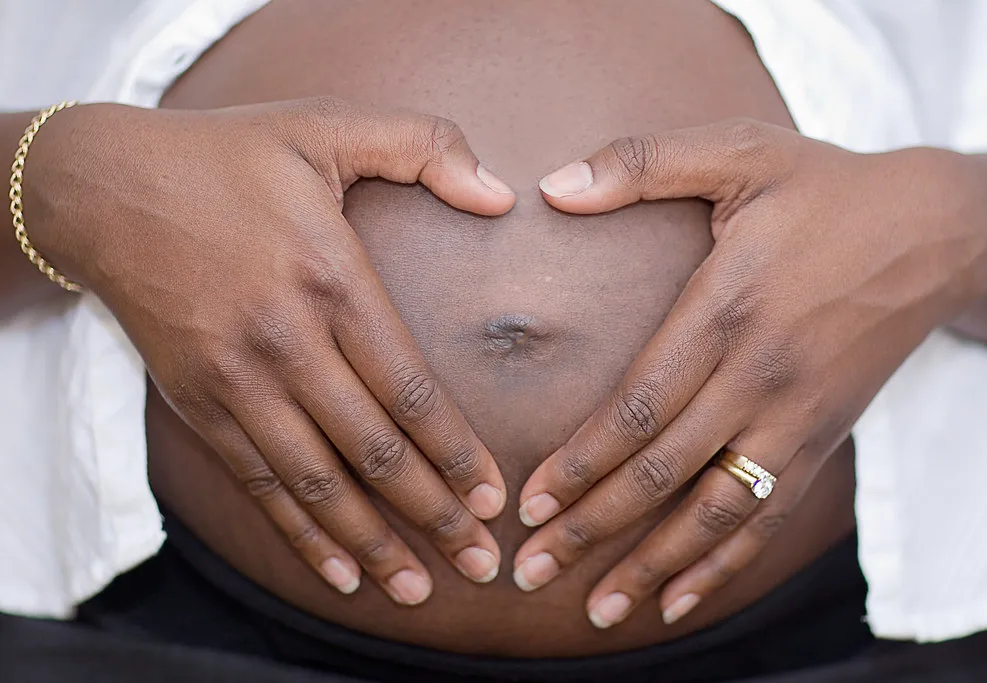
The health sector in Niassa province is stepping up campaigns on sexual and reproductive health with the aim of reducing the high rate of early pregnancies. The main causes of this problem are the weak economic power of many families, as well as physical and psychological conditions that favour the enticement of minors.
Since January, around five hundred girls aged between fourteen and fifteen have become pregnant at an early age, a situation that has alarmed the health authorities. José Manuel, director of the Provincial Health Services in Niassa, highlighted the creation of child protection committees as one of the strategies for tackling the problem. These committees are part of a multisectoral programme funded by the World Bank, covering health, education and social protection.
Intervention strategies
To address this situation, the health sector is promoting educational activities in communities, emphasising the importance of sexual and reproductive education. The campaigns aim to inform young women about the risks of starting sexual activity early and the consequences of teenage pregnancy. José Manuel urged the public to step up these awareness-raising efforts, involving parents, educators and community leaders in the discussion on the importance of sexual and reproductive health.
These initiatives are intended to create an environment of greater protection and support for girls, helping to prevent cases of early pregnancy and to promote healthy and safe development for young women.


