
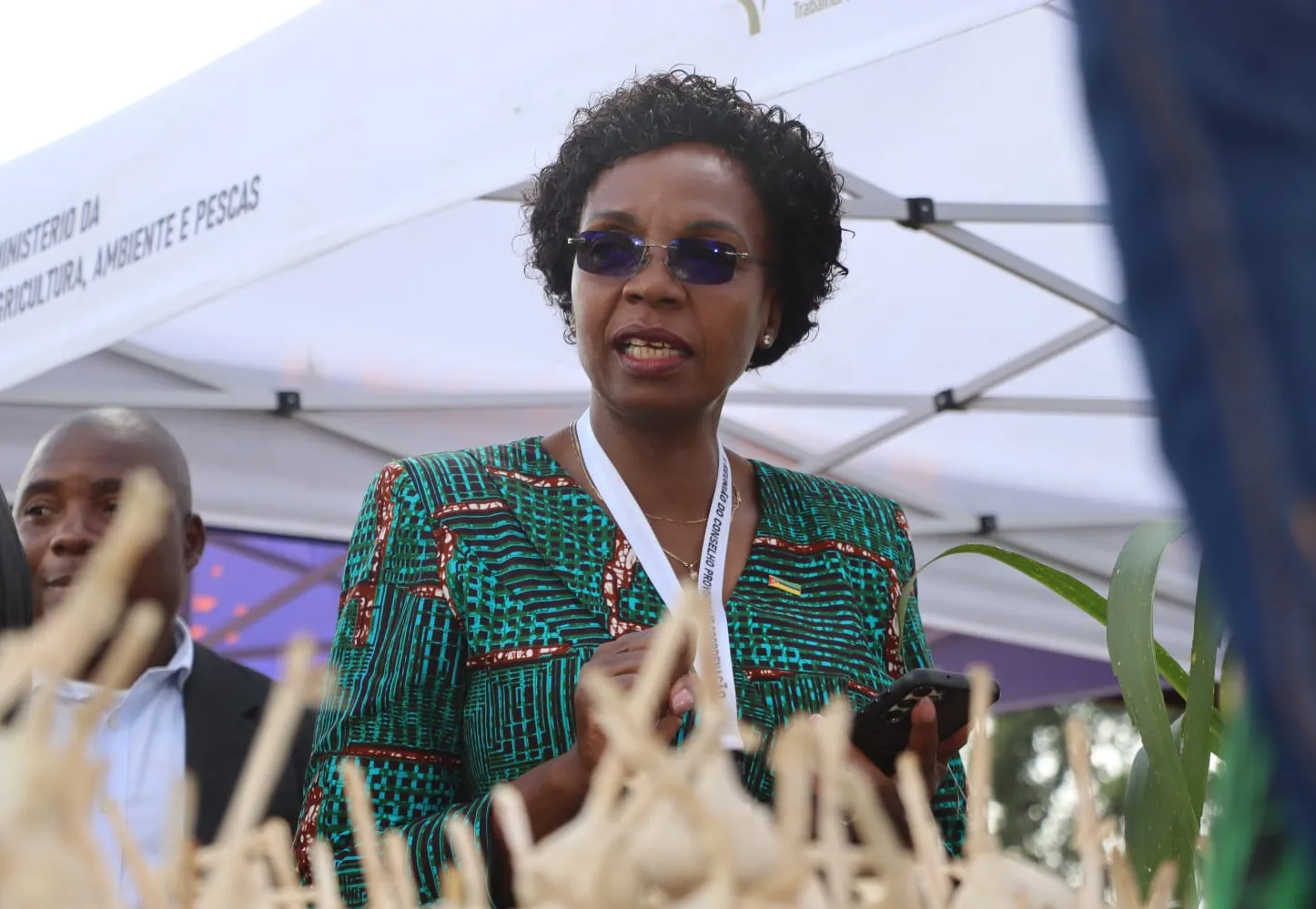
Niassa Province has decided to turn intentions into measurable results. With that purpose, the 10th Meeting of the Provincial Coordination Council was held on 27 March in Lichinga, chaired by Governor Elina Judite Massengele, in a meeting marked by concrete decisions and rigorous targets to drive sustainable development.
In a context in which results-oriented governance is a priority, the governor stressed the importance of joint action between sectors and levels of government.
“With everyone's contribution, we will strengthen planning, improve institutional coordination and respond more effectively to the expectations of our population,” said Elina Judite Massengele, highlighting the need to turn commitments into tangible impacts.
The meeting resulted in the approval of more than 25 priority actions, all with designated people in charge, ensuring greater institutional accountability. More than 15 monitoring indicators were also established, while the alignment of plans was secured in 100% of the province's districts, strengthening the territorial coherence of interventions.
The meeting also set concrete targets for 2026, notably a 20% reduction in malaria cases, a 15% decrease in diarrhoea and a reduction in dog bites. In the field of road safety, the aim is to cut accidents by 25%, while uncontrolled burning is to fall by 30%.
At the same time, the province intends to step up environmental inspection by 40% and achieve execution of 90% or more of sectoral plans, consolidating results-oriented management.
To ensure these targets are met, key performance indicators were defined. Among them are the implementation of at least 85% of decisions within the set deadline, physical execution of plans above 90% and the carrying out of two cross-sector actions per district, every quarter.
Another priority objective is a 20% reduction in emergency response time, strengthening institutional capacity and the effectiveness of public administration.
Over the next 90 days, the provincial authorities will concentrate their efforts on running health campaigns, intensifying inspection, mapping risk areas and mobilising communities, in a strategy that aims to accelerate results in the short term.
The final message of the meeting was clear and direct: plan better, coordinate better and deliver concrete results to the population.
With these decisions, Niassa reinforces its ambition to consolidate sustainable development, establishing itself ever more as the agricultural capital of Mozambique and a territory geared to measurable results and real impact on the lives of communities.


