
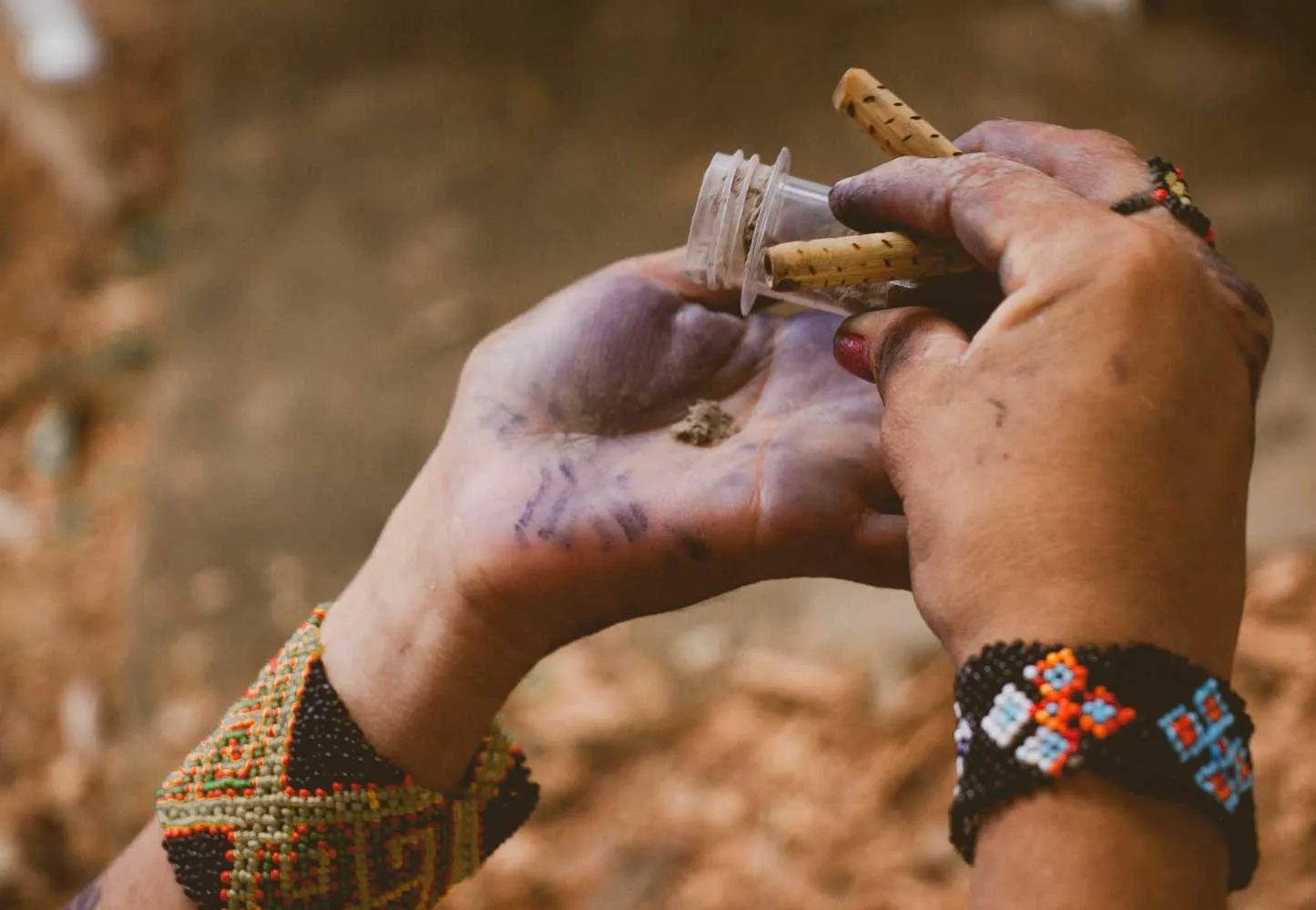
Mozambique and supernatural beliefs
Mozambique is a meeting point of cultures, a country rich in traditions where the most varied beliefs prevail. Even in urban areas, including the capital, there are many people who firmly believe in the power of the occult and the supernatural, often associated with various home remedies and objects such as shells, stones, feathers, etc. Such beliefs, strongly tied to the people, or rather to the various peoples who live together in our country, are considered traditional culture, and there are many practices and names associated with them: xicuembo, witchcraft, black magic, folk healing, traditional medicine, African religion, among others.
It often happens that, when someone is ill, they do not seek a hospital or formal health centre but a traditional doctor, a healer. Whether their therapies work or not is controversial and prompts heated debates, with strong defenders on either side. The truth is that their followers are countless and the stories told by those who have undergone or witnessed a consultation are curious, regardless of their social class, age or level of schooling. A survey on HIV carried out by MISAU in 2009 indicates that a large part of the national population believed in traditional cures, and that many people admitted that the AIDS virus had its origin in supernatural causes. Healers and traditional doctors are therefore very common, normally elders, experienced people who use rituals to help cure illnesses, social problems and other everyday matters.
Even in urban areas, including the capital, there are many people who firmly believe in the power of the occult and the supernatural, often associated with various home remedies and objects such as shells, stones, feathers, etc.
Also at rites of passage or particular moments such as, for example, the inauguration of a dwelling, the opening of a water borehole, or the first clearing of land for cultivation, elders or important figures in the traditional hierarchy are frequently called upon to invoke spirits, asking for their protection and help for health and prosperity. They serve as a link with the spirits of the ancestors, whom they invoke to achieve the desired results.
It also sometimes happens that, when we wish to visit certain watercourses, forests or historic sites considered sacred, we are advised to ask people whom the community recognises as having authority and supernatural powers to authorise entry and the visit, seeking the blessing of the spirits. This happened to us, for example, on visits to a historic cemetery next to the fortress of Sena, in Sofala province, and to a waterfall in the Penha Longa mountain range, in Manica province.


