
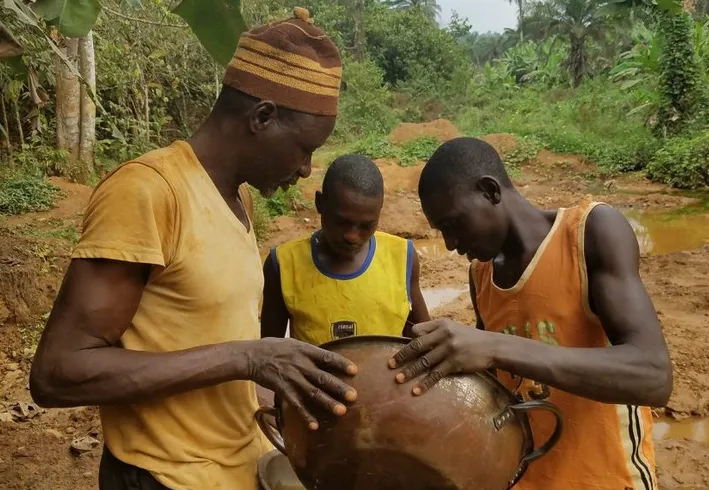
The International Organization for Migration (IOM) has launched a report entitled “Assessment of the Demographic and Migration Profile of Artisanal Miners (AMDM)”, which highlights the growing appeal of artisanal mining in central Mozambique to migrants seeking better living conditions. This "hidden industry", operating mainly in the districts of Gilé and Cahora Bassa, in the provinces of Zambézia and Tete, has been a magnet for those who, despite the risks and informality of the activity, see it as an opportunity to escape poverty.
The study points to informal mining as a magnet for migrants, driving them to travel long distances, often taking them away from their families, in the hope of achieving a better life. This phenomenon not only highlights the hopelessness that afflicts these populations but also sheds light on the complexity and human challenges that this industry conceals.
One of the central concerns identified by the report is the vulnerability of mining communities, especially with regard to access to basic healthcare. The distance of these areas from essential services increases the risk of communicable diseases spreading, underlining the pressing need to develop health models adapted to the needs of migrants.
Ultimately, with this report the IOM seeks not only to highlight the difficulties faced by artisanal miners and their communities but also to pave the way for a deeper understanding of the industry, pointing to the need for inclusive approaches that allow everyone to prosper. This call to action is intended to shape a future in which artisanal mining can exist without compromising the well-being of those involved, respecting the dignity and human rights of migrants and mining communities.
This report serves as a critical reminder of the intersection of migration, informal labour and public health, urging reflection and coordinated action among governments, international organisations and local communities to address these complex issues holistically and sustainably.


