
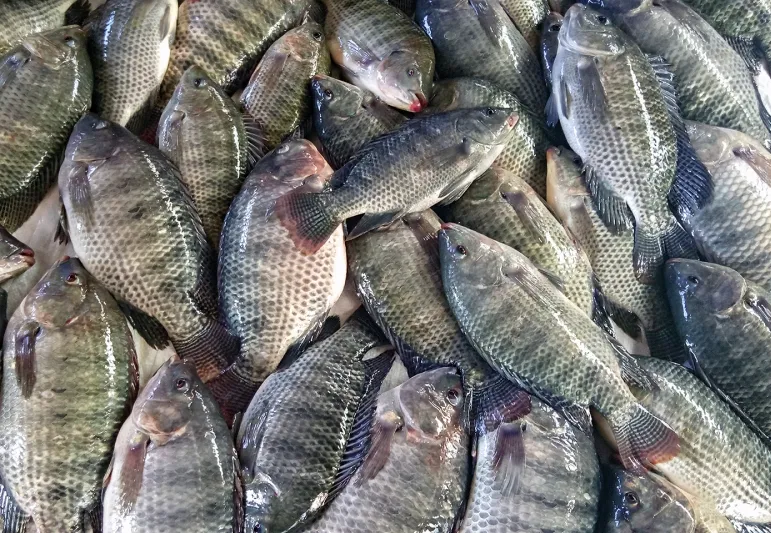
Mozambique marks a significant advance in aquaculture with the launch of a new variety of tilapia, developed through innovative research in Chókwè. This initiative represents an important milestone for the fishing sector in the country, offering promising prospects for food security and economic development.
The introduction of this new tilapia variety follows a carefully planned research project, aimed at increasing the productivity and sustainability of Mozambican aquaculture. With improved characteristics, such as faster growth and greater resistance to disease, this tilapia is destined to transform the fishing industry, benefiting not only local farmers and fishers but also the national economy.
The project is a testament to Mozambique's commitment to innovation and applied research, seeking practical solutions to the challenges facing the fishing sector. It also underlines the importance of collaboration between research institutions, the government and the fishing community in seeking advances that can have a lasting positive impact.
The new tilapia variety promises not only to improve the efficiency of aquatic production in Mozambique but also to contribute to the diversification of the local diet, offering an affordable and nutritious source of protein. In addition, the project is aligned with national and global efforts to promote sustainable fishing and combat food poverty.
This development is proof of the potential of aquaculture in Mozambique and a step forward in achieving the goal of making the country a leader in the African fishing sector. As Mozambique continues to explore and expand its aquaculture capabilities, the future looks promising for sustainable economic growth and food security.


