
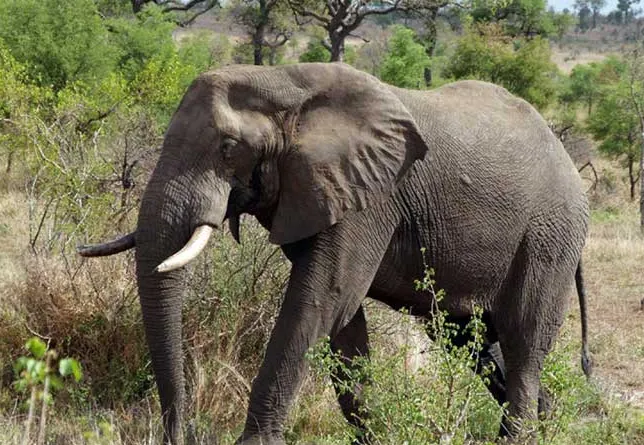
In response to the complex problem of coexistence between humans and wildlife, a cutting-edge project has been launched in Chimanimani National Park, Mozambique, which will give new impetus to wildlife preservation and conflict management. This initiative, carried out by the Foundation for the Conservation of Biodiversity (Biofund), involves rigorous, real-time monitoring of elephant movements using advanced technology, and comes at a time when the interaction between wildlife and the local population is becoming critical.
This notable advance, according to information provided by Biofund, is not confined to protecting elephants - prominent symbols of Mozambican biodiversity - but extends to the creation of ecological corridors and the minimisation of friction between humans and wildlife in the park.
The ambitious Biodiversity Conservation and Community Development (CBDC) project, which is under way in the heart of the Chimanimani Conservation Area, benefits from financial support from the French Development Agency. Between 16 and 19 September, local teams succeeded in fitting tracking devices to three elephants, providing crucial data for a better understanding and management of the movement patterns of these majestic animals.
But the CBDC is not limited to monitoring elephant movements. It also includes a training component for park technicians in specialised software that will allow them not only to monitor, but to interpret and predict elephant routes, a tool expected to be crucial for mitigating possible future conflicts and incidents.
This ecological and humanitarian project comes in the wake of alarming figures released by the Minister of Land and Environment, Ivete Maibaze, which point to a tragic toll of more than 160 human lives lost and the destruction of around 955 hectares of various crops in conflicts with wildlife between 2019 and 2022. The minister stressed that the elephant is among the most problematic species in these incidents.
The CBDC, budgeted at 4.8 million euros until 2024, is not funded solely by the French Development Agency. It also has the collaboration of the French Global Environment Facility and Fauna and Flora International. One of the project's main goals is to promote sustainable environmental management, balancing the protection of biodiversity with the needs and safety of local communities in the park's “Buffer Zone”.
Chimanimani National Park, located in the district of Sussundenga, Manica province, and close to the border with Zimbabwe, is a sanctuary of biodiversity and culture. As well as boasting Mount Binga, Mozambique's highest peak, this reserve is home to a myriad of unique species, stunning mountain landscapes and a cultural legacy richly preserved by the local community.
This initiative, which intertwines technology, environmental conservation and community development, casts a light of hope on the peaceful coexistence of the community and wildlife, setting a paradigm that could serve as an example for other regions affected by similar problems.


