
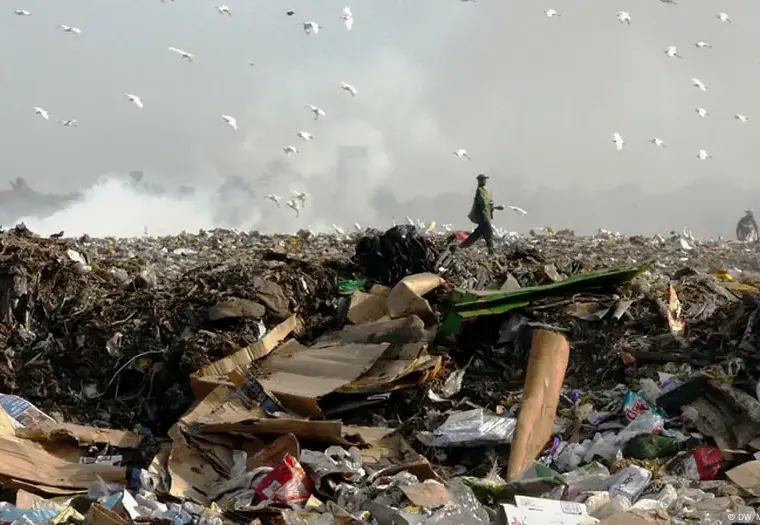
Maputo Municipality has taken an important step towards solving one of its biggest environmental problems: the Hulene dump. This week, a public tender was launched for the definitive closure of the largest open-air dump in Mozambique, which has accumulated around 35 million tonnes of waste over more than 25 hectares.
João Munguambe, councillor for Infrastructure and Sanitation on the Municipal Council, revealed that several companies, including foreign ones, have already expressed interest in taking part. "We have received many expressions of interest from private and foreign companies that say they have experience and the capacity to implement projects of this nature (...)", the official explained.
The urgency to act has grown since 2018, when the collapse of part of the dump resulted in the deaths of 16 people, drawing attention to the social and environmental risks associated with the site. However, despite efforts to improve waste management in recent years, there is still no firm date for the total closure of the dump.
According to Munguambe, the plan involves several technical phases, including covering the rubbish with soil. As well as reducing environmental impacts, this process will allow the area to regenerate naturally.
Every day, the Hulene dump receives around 1,200 tonnes of solid waste, and the authorities are already looking at alternatives for a more sustainable fate for the 35 million tonnes accumulated. Among the ideas being highlighted is the production of gas from the organic matter present on the site.
"When we cover the rubbish with soil, this will allow vegetation to grow and the waste to consolidate. In that process, the gas produced can be captured through a specific drainage system", Munguambe explained, stressing the possibility of reusing it for energy.
Closing the Hulene dump is a monumental challenge, but also an opportunity to turn a critical environmental legacy into a model of innovation and sustainability.


