
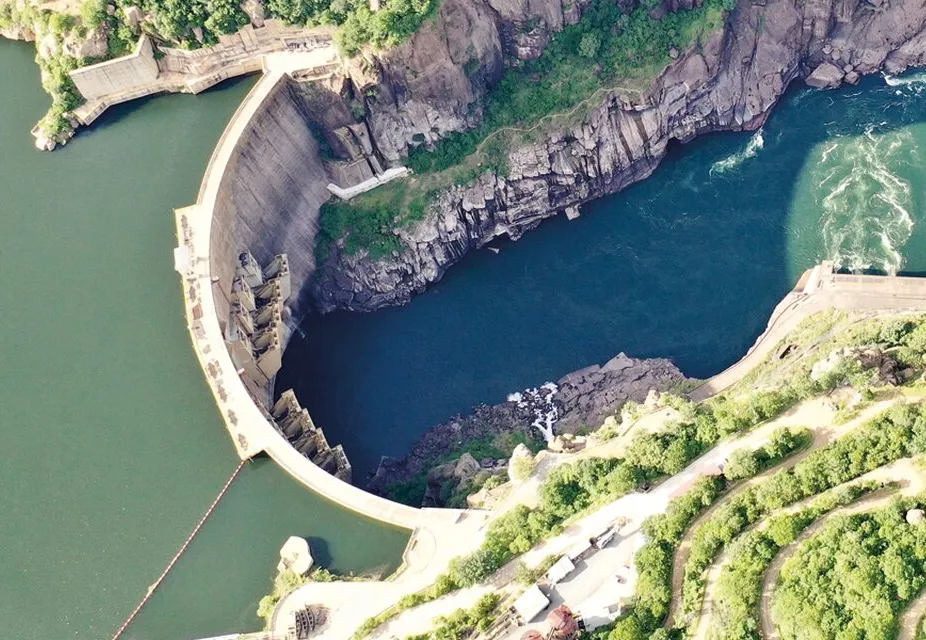
Cahora Bassa Hydroelectric (HCB), located in Tete province in central Mozambique, is preparing to take a new step in preserving its memory and in highlighting its strategic role in regional development: the creation of a technology museum. The initiative, made public this Monday through a tender notice, aims to build an emblematic piece of infrastructure that combines history, science, innovation and cultural identity.
“The Cahora Bassa Technology Museum should become a national and regional reference, functioning as a dynamic space for learning, preservation and dissemination of the history of the project”, the document states. The structure will be more than an exhibition space: it will be a multifunctional centre that will integrate physical, digital and even travelling solutions, seeking to combine technical knowledge with the promotion of cultural and scientific tourism.
Headquartered in the town of Songo, HCB stands out as one of the largest dams on the African continent, with an installed capacity of 2,075 MW and responsible for more than 80% of electricity production in Mozambique. Since 2007, the company has channelled about 1,590 million euros into the coffers of the Mozambican State. The dam, located in a gorge on the Zambezi River, began commercial operation in 1977, three years after the filling of the reservoir, whose construction took place during the colonial period, between 1969 and 1974.
The museum, according to the tender notice, will include a restoration and conservation workshop, a library, an auditorium, an interactive space and areas for permanent and temporary exhibitions, positioning itself as a hub for knowledge and intergenerational sharing. “Its legacy constitutes industrial archaeological heritage of high historical, scientific and cultural value”, it reads, also underlining the dam’s impact on the development of the town of Songo and on consolidating the country’s energy sovereignty.
The Cahora Bassa reservoir, 270 kilometres long and 30 at its widest, is the fourth largest on the African continent, covering 2,700 km² with an average depth of 26 metres. HCB has about 800 employees and exports energy to several neighbouring countries in Southern Africa, establishing itself as a key hub of the regional energy grid.
Despite its robustness, the hydroelectric plant has faced challenges related to climate change, in particular low rainfall, which affects storage levels and, consequently, the production and sale of energy.
HCB’s shareholder structure reflects the process of transferring control of the dam from the Portuguese State to Mozambique, completed in 2007 and described by the then President Armando Guebuza as Mozambique’s “second independence”. Currently, the company is 85% owned by the Mozambican state-owned Companhia Eléctrica do Zambeze, with Portugal’s REN holding 7.5%, 3.5% in treasury shares and the remaining 4% in the hands of national citizens, companies and institutions.


