
-
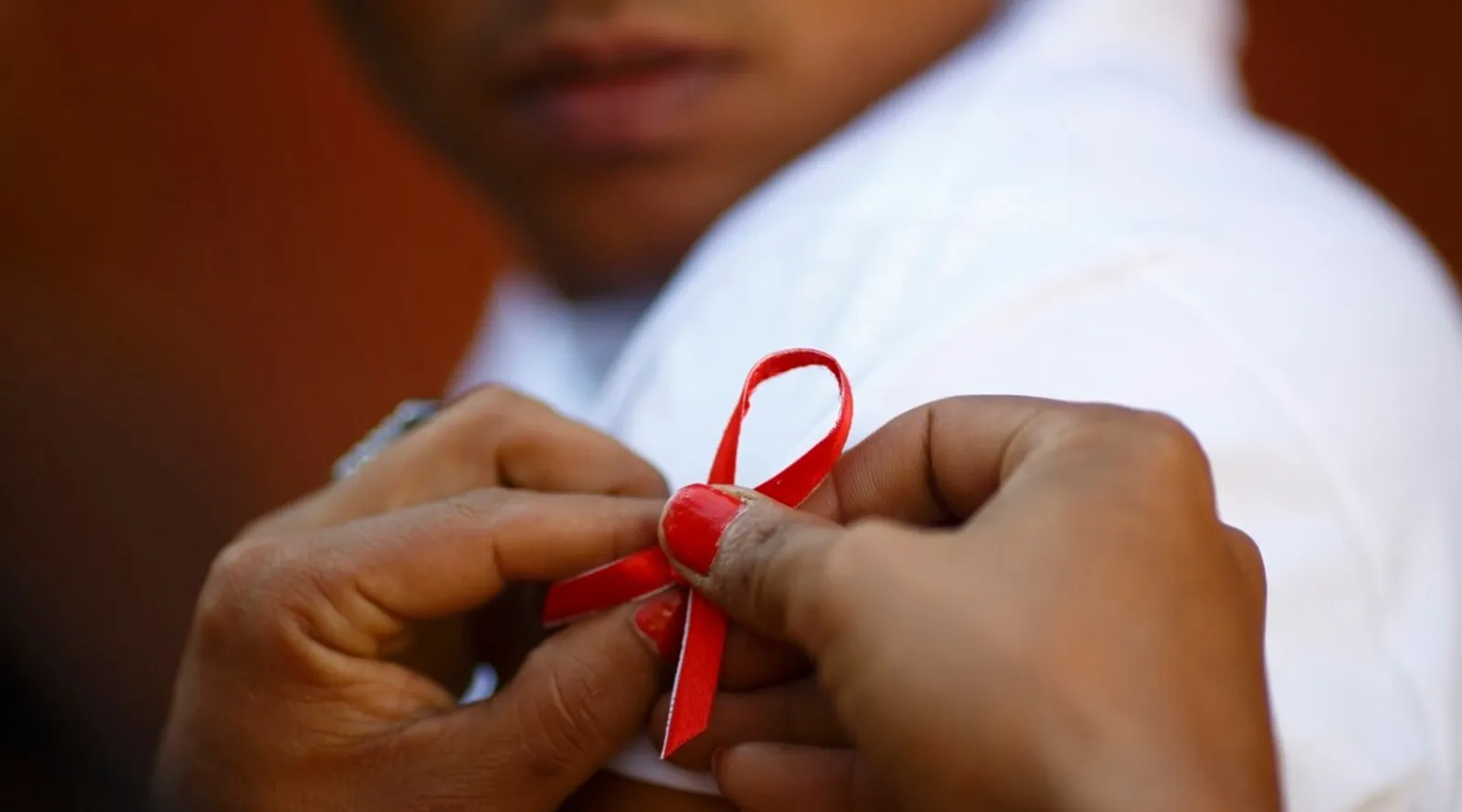
A study by Economist Impact reveals that adequate funding of the response to the Human Immunodeficiency Virus (HIV) could prevent 810,000 new cases in Mozambique and 1.35 million in South Africa between 2022 and 2030. Full funding would help meet the targets of the 2021 Political Declaration, saving millions of lives and generating significant health, social and economic gains.
The study indicates there would be a 40% to 90% reduction in new HIV infections, depending on the country, improving educational outcomes, reducing gender inequalities and boosting economic growth. For example, South Africa's Gross Domestic Product (GDP) could increase by 2.8% and Kenya's by 1.1% by 2030, if the funding targets are met.
In addition, in Mozambique, about 722,000 orphans could be avoided by 2030, resulting in a further 87,000 children enrolled in school in a single year. In terms of mortality, 19% of the 437,000 deaths estimated in Mozambique could be avoided, as could 18% of the 958,000 deaths projected in South Africa and 11% of the 405,000 in Kenya.
The report comes at a critical time, with funding for the fight against HIV falling since 2020, 30% below targets. UNAIDS Executive Director Winnie Byanyima says the study can serve as a catalyst for political decisions, helping to build health systems that are more resilient and prepared for future pandemics.


