
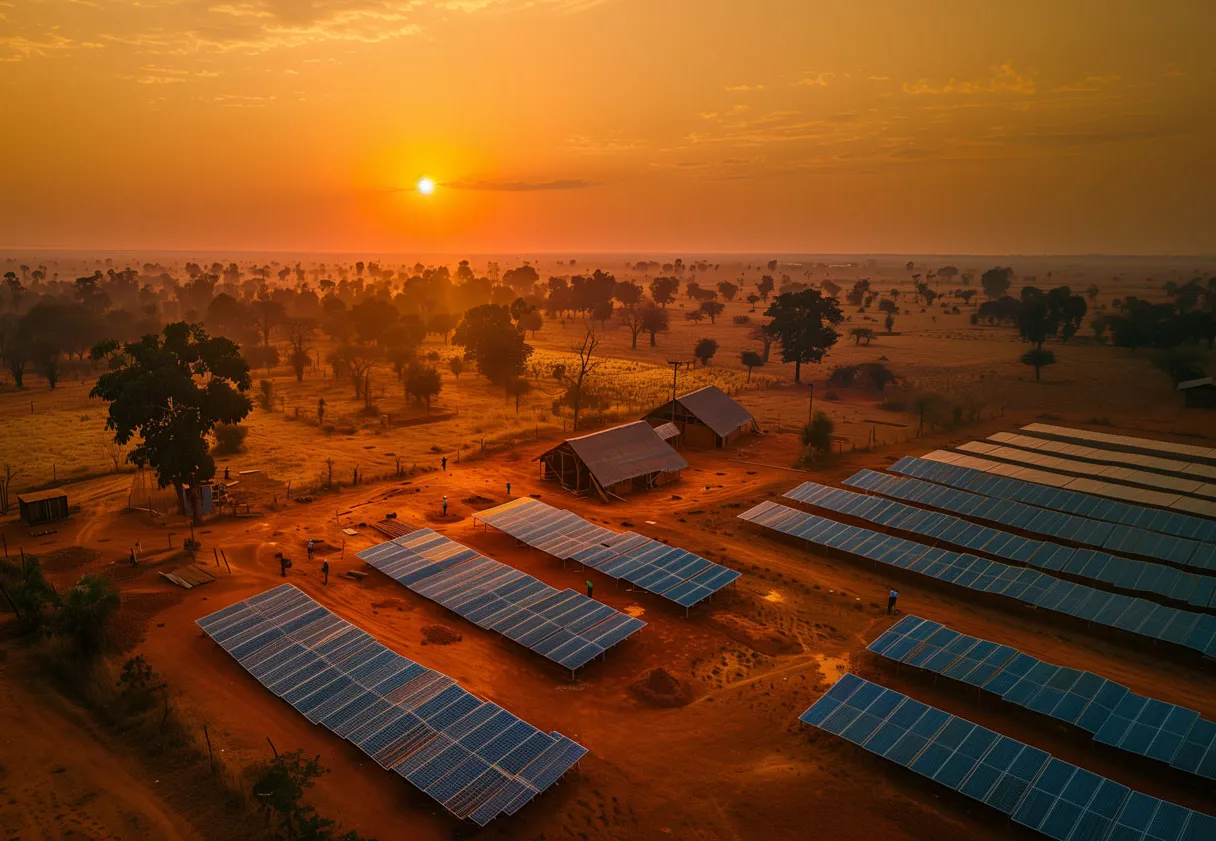
Mozambique has immense potential for harnessing solar energy, thanks to its privileged geographical location and the high number of hours of solar radiation throughout the year. However, this valuable renewable resource remains underused, while the country continues to depend heavily on hydroelectric sources and fossil fuels. Efficient exploitation of solar energy could transform Mozambique’s energy mix, promoting more sustainable and resilient socio-economic development, as well as ensuring long-term energy security.
Despite the obvious benefits of solar energy, several factors continue to hinder its full use in Mozambique. High initial costs, a lack of effective public policies and the absence of economic incentives have significantly limited the opportunities for expanding this renewable energy.
Although the cost of solar technology has fallen considerably in recent years, the initial investment for installing solar systems is still prohibitive for most of the Mozambican population, particularly for low-income families and small businesses in rural areas. Without access to financing or credit at affordable rates, large-scale adoption of solar energy systems remains a distant goal for many. Local financial institutions rarely have credit solutions geared to renewable energy, which further aggravates the situation. Without guaranteed returns or government subsidies, the risk associated with investing in solar projects discourages potential investors.
Moreover, Mozambique’s electrical infrastructure is largely underdeveloped, especially in rural areas, where distribution networks are precarious or even non-existent. The complexity and high cost of transporting solar equipment to more remote regions are also limiting factors. Poor transport routes make installation logistics difficult and costly, hindering the deployment of solar systems in the communities that most need sustainable energy solutions.
The absence of effective incentive policies is another major obstacle to the development of solar energy in Mozambique. Unlike other African countries, such as Kenya and Morocco, which have adopted proactive approaches to promoting renewable energy, Mozambique has not yet established a robust regulatory framework that favours investment in solar energy. The absence of subsidies, tax exemptions and preferential feed-in tariffs discourages both consumers and investors. A more favourable regulatory environment, which promotes the development of renewable energy, is essential to put the country on the path of sustainable development.
The lack of technical skills is also a significant obstacle to the growth of solar energy in Mozambique. There is a shortage of technical training programmes in renewable energy, which results in an insufficient number of qualified professionals to install and maintain solar systems. This shortfall not only undermines the deployment of new systems, but also compromises the efficiency and longevity of those already installed, contributing to consumer distrust about the long-term viability of this technology.
Mozambique’s historical dependence on hydroelectric power, notably the Cahora Bassa dam, is another factor that prevents the diversification of the country’s energy mix. Although hydroelectric power is an important renewable source, it is vulnerable to extreme weather events, such as prolonged droughts, which have become increasingly frequent owing to climate change. Diversifying into other sources, such as solar energy, is fundamental to increasing the resilience of the Mozambican energy system and guaranteeing security of electricity supply.
To turn this solar potential into reality, Mozambique needs clear policies and effective strategies to encourage solar energy, including subsidies for installing solar panels, affordable credit lines and the removal of tax barriers on imported equipment. International partnerships also play a fundamental role, not only in financing large-scale solar projects, but also in promoting local technical capacity-building. In addition, public awareness campaigns could significantly increase uptake among the population, promoting a deeper understanding of the environmental and economic benefits of solar energy.
Mozambique has every condition to become a regional leader in renewable energy, but for that, a serious commitment is needed from all sectors — government, the private sector and civil society. The transition to solar energy is not just an opportunity to diversify the country’s energy mix, but a strategic necessity to ensure a safer, more prosperous and more sustainable future. Now is the time to turn the sun’s potential into a tangible solution to Mozambique’s energy challenges.


