
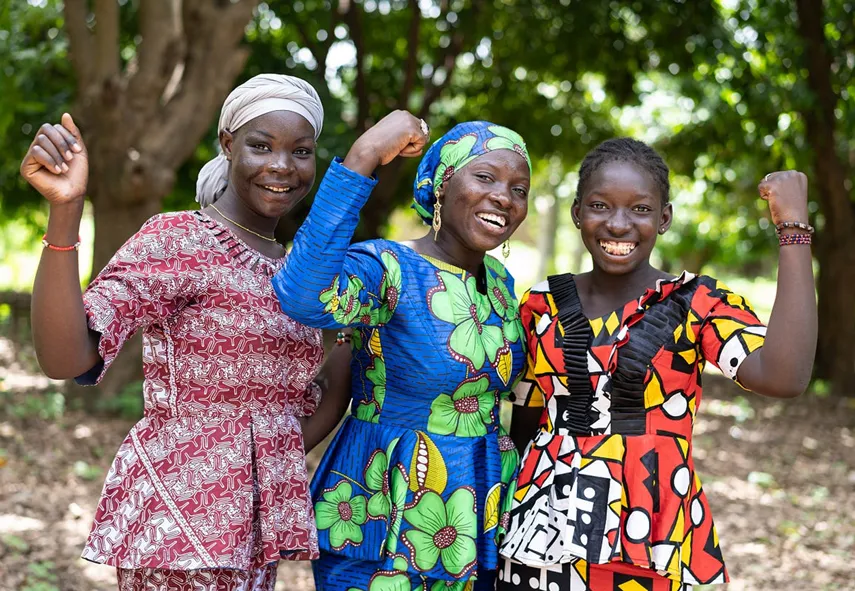
In an unprecedented initiative, the World Bank approved last September a 200 million dollar financing package aimed at fostering the economic empowerment of women in Mozambique. This financing falls under the Eastern and Southern Africa Girls' Empowerment and Resilience (EAGER) programme, which aims to give Mozambican girls and young women better opportunities for education and economic development.
The World Bank's Director for Regional Integration, Africa and Middle East, Boutheina Guermazi, highlighted the importance of this initiative, stressing that Mozambique is one of the first countries to benefit from this regional programme. According to Guermazi, EAGER aims not only to improve women's education and incomes but also to strengthen the institutional capacity of participating countries to implement gender equality policies.
In its initial phase, the EAGER programme will directly support millions of girls, helping them to stay in or return to school, and will enable about 160 thousand women to increase their productivity in the labour market. In addition, the programme intends to involve more than six million agents of change, including traditional leaders, parents and boys, in behaviour change campaigns aimed at changing gender norms. The capacity building of 26 thousand local administrators and service providers is also planned, so that they can effectively implement equality reforms.
This initiative comes at a time when, in the Eastern and Southern Africa region, more than 40 million girls are out of school and 55 million marry before the age of 18. These alarming figures reflect the lack of access to resources and decision-making power during adolescence, often leading to a trajectory of low productivity and limited opportunities for personal and professional development.
With this substantial financing, the World Bank reaffirms its commitment to sustainable development and gender equality in Mozambique, contributing to building a more promising future for Mozambican women.


