
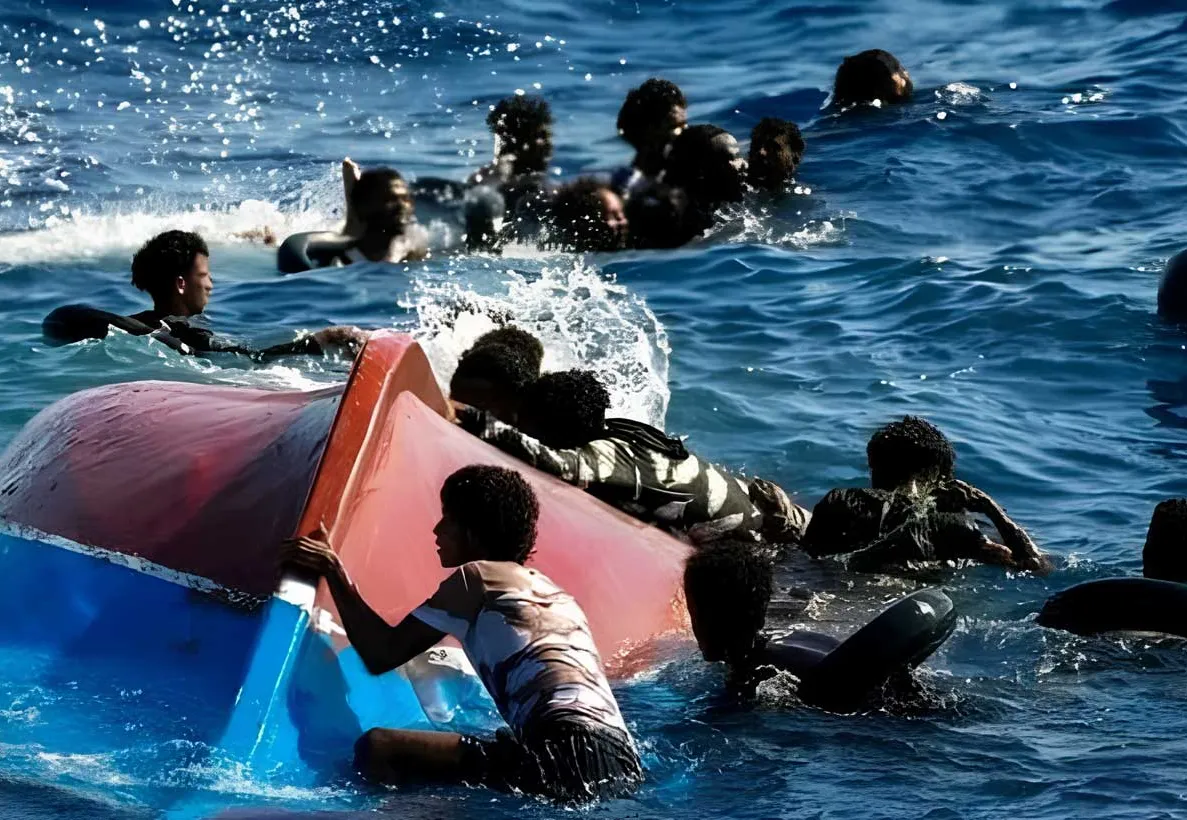
In a tragic event that has deeply marked Mozambique, desperation and misinformation about an alleged cholera outbreak in the village of Lunga, in Mossuril district, led to mass fatalities at sea. In an attempt to escape what they believed to be an imminent threat to their health, hundreds of residents took to the sea, seeking refuge on Mozambique Island.
Panic, stirred up by unfounded rumours of a cholera outbreak that supposedly killed its victims in just three minutes, set off a frantic rush to safety, in which 130 women and children set out in a fishing vessel unsuited to carrying people. Carrying more than its permitted capacity, and in adverse weather conditions, the vessel ended up succumbing to the weight and the rough sea, ending in shipwreck.
Silvino Nauaito, administrator of Mozambique Island, revealed that the vessel was not meant for carrying passengers but for fishing, underlining the recklessness of the decision to use such a craft out of desperation. This act of desperation was driven by the search for access to medical care, with the population trying to get close to the hospital on Mozambique Island in the hope of finding salvation from the dreaded outbreak.
The tragedy was made worse by the inability to rescue in time those who, despite having managed to reach the shore, ended up losing their lives on the bank, victims of the lack of immediate assistance. Among the survivors, there remains the shadow of what could have been avoided and the pain for the lives cut short prematurely, mostly defenceless children.
At the close of this edition, search and rescue teams were continuing their efforts, while the Secretary of State in Nampula Province reported 10 survivors and two unclaimed bodies at the health unit on Mozambique Island, a sombre testimony to the catastrophe that has befallen this community.
This shipwreck is not just a maritime tragedy; it is a painful reminder of the devastating consequences that misinformation can unleash, especially in vulnerable communities and in crisis situations.


