
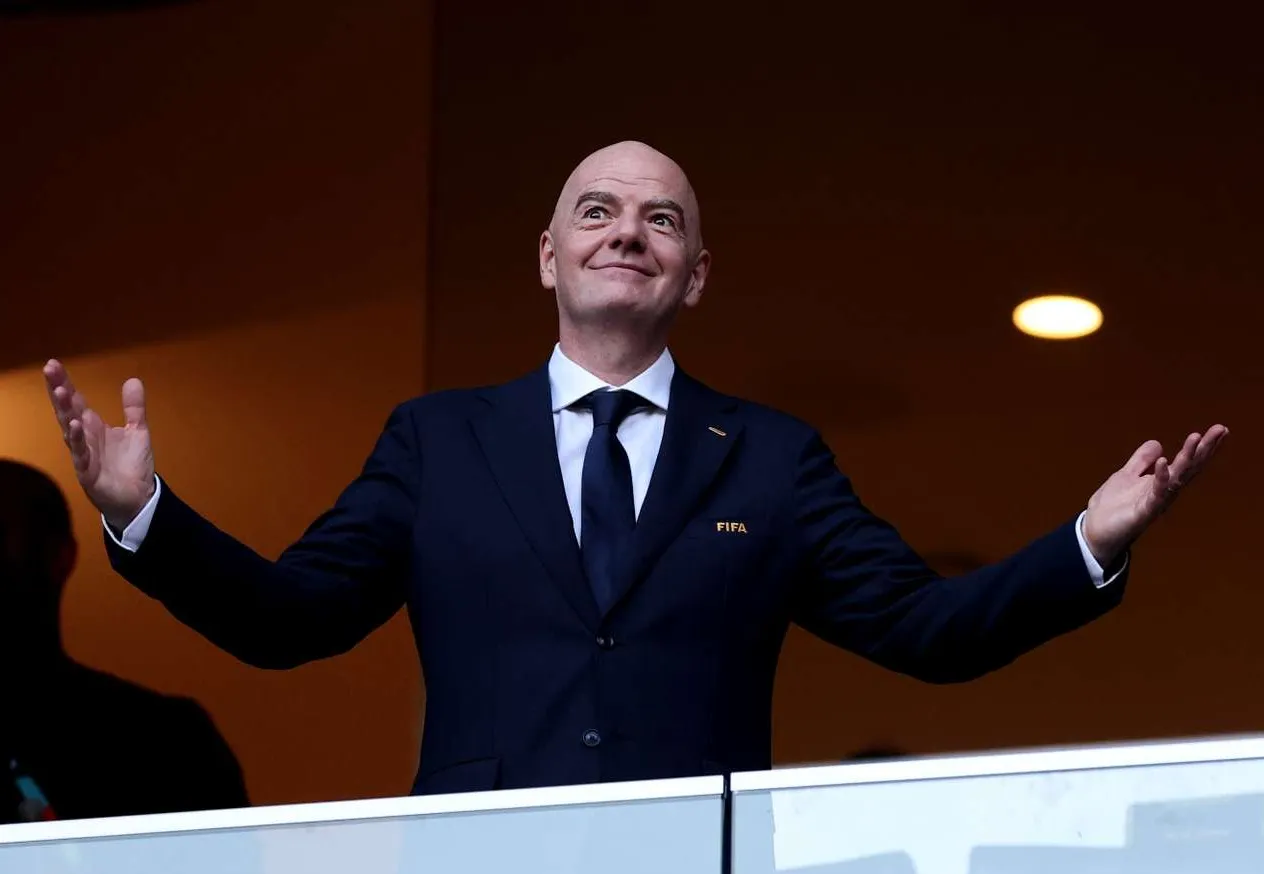
Gianni Infantino's proposal to open the door to private investment in FIFA's commercial structure is provoking one of the biggest political crises in the recent history of world football. The FIFA president wants to sell up to 20% of a new company that will manage the commercial rights to the World Cup and other competitions, in a project that many interpret as a partial privatisation of the body's most valuable assets.
The plan provides for the creation of a company valued at around 20 billion dollars, in which the broadcasting rights, sponsorship, licensing and other commercial revenues of FIFA's main competitions will be concentrated. The sale of a minority stake would raise around 4.2 billion dollars, with FIFA retaining control of the majority of the capital and of sporting governance.
According to Gianni Infantino, the operation will significantly increase world football's revenues and distribute more resources to the 211 national federations, through a model he considers more sustainable and financially sound.
The initiative, however, triggered a strong reaction in Europe. UEFA placed itself at the forefront of the opposition and accused FIFA of turning football into a financial asset. In a statement, the body led by Aleksander Čeferin said that “football does not belong to FIFA to sell”, arguing that the governance of the sport cannot be subject to the interests of private investors.
The opposition has already crossed UEFA's borders. According to the British press, including Sky News and The Guardian, officials from several European federations have begun discussing scenarios for a response should the project go ahead, including the extreme possibility of a World Cup boycott. So far, however, there is no official decision and it has not been confirmed that any country has decided not to take part in the competition.
Besides UEFA, European political leaders have also expressed concern. The European Commissioner for Sport, Glen Micallef, warned of the risks of the growing commercialisation of football and argued that sporting values must prevail over financial interests.
Despite the criticism, FIFA insists that the proposal does not amount to selling the organisation, but merely to bringing investors into a company created to exploit its assets commercially. Opponents, however, maintain that in practice it is a historic step towards the partial privatisation of the business of world football.
The proposal is due to be reviewed by the member federations in the coming months and promises to deepen the confrontation between FIFA and UEFA, at a time when the future of the governance of international football is once again at the centre of controversy.


