
Casa Manica came about approximately 3 years ago, in Chimoio. At the time, the mother of the founder, Pedro Luís Chipoce, had been diagnosed with type 2 diabetes, and he experienced first-hand all the changes in eating habits that were necessary after a life without restrictions. In conversations with friends, Pedro found that many people in the same situation as his mother consumed, as a form of treatment, sorghum, millet and baobab fruit (malambe), which they frequently had sent from Chimoio to Maputo. After much research, Pedro decided to open his own business, seeking to expand the network of access to the products in the capital's market. The way in was the pharmacy of the Mozambican Diabetics Association (AMODIA), where at first they were sold only to the Association's members. They offered only 3 products, and, more than selling, the aim was really to allow people in need to have access to them.
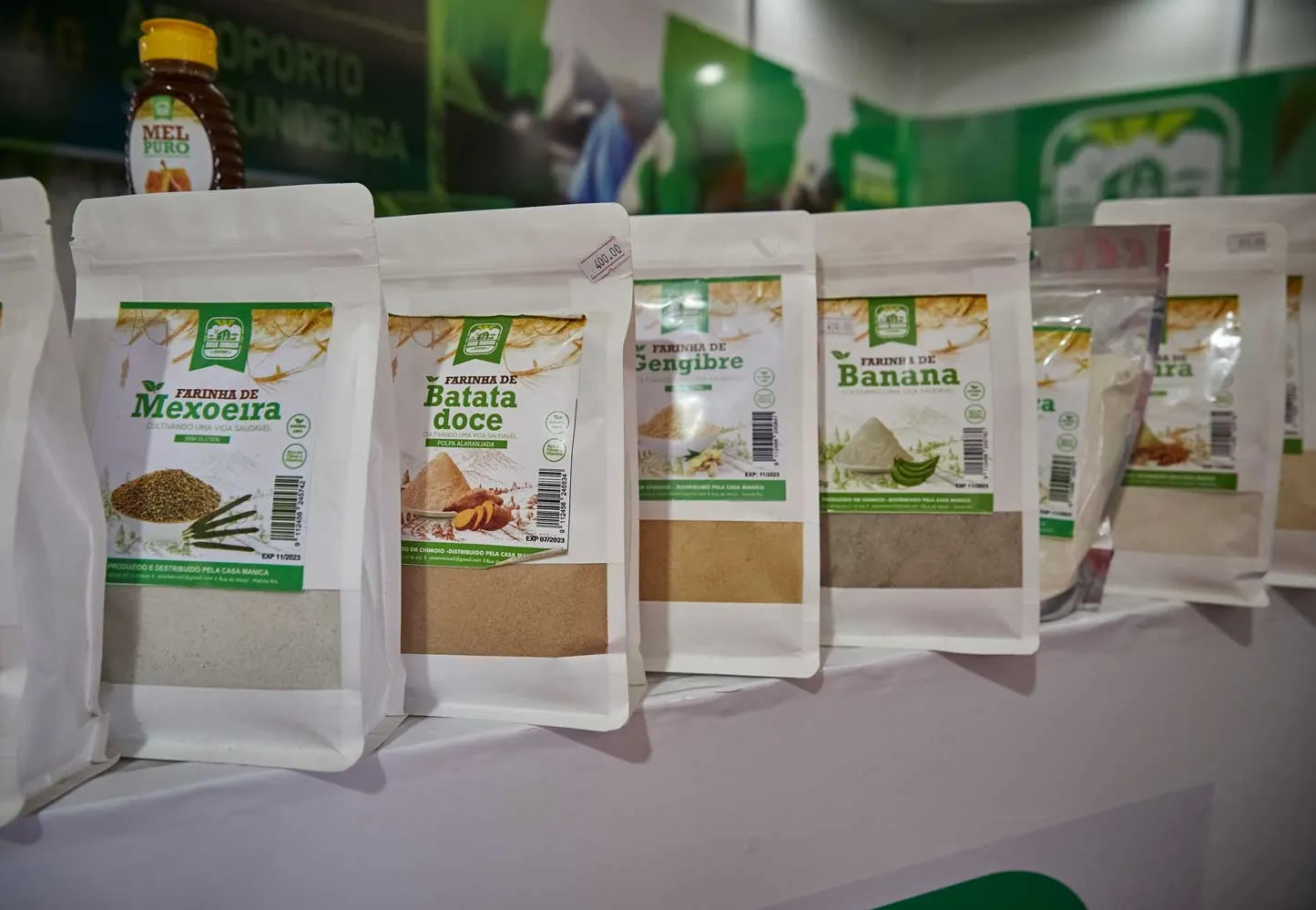
Today the activity consists of producing healthy natural foods, processing and distributing them, with a particular focus on children, the elderly and people with chronic illnesses. Its best-selling products are carrot, yellow maize, beetroot, soya, banana and turmeric flours, and honey. They believe that their greatest contribution to Mozambican society is to make a real impact on nutrition, helping to eradicate chronic malnutrition.
Casa Manica's best-selling products are carrot, yellow maize, beetroot, soya, banana and turmeric flours, and honey
Casa Manica has taken part in various events, such as the APME International Fair and Mozgrow, for example. They consider that the Maputo International Fair (FACIM) was of great importance, as it opened doors and made them better known in the local market. As with many businesses, the covid-19 pandemic affected the company on several levels, although honey thrived during the period, its market having expanded considerably at that stage.
Although it keeps up with the digital immersion across the various platforms and social media, this venture considers that it has a potential customer base that does not embrace new technologies, so its sales are made through two channels: physical outlets in the traditional market and the digital forum. The products can be found in supermarkets, grocery stores, gourmet shops and convenience stores, or be purchased online. They intend to certify their products and meet all the requirements needed so that, in the medium and long term, they can have the conditions necessary to enter other markets beyond borders.


