
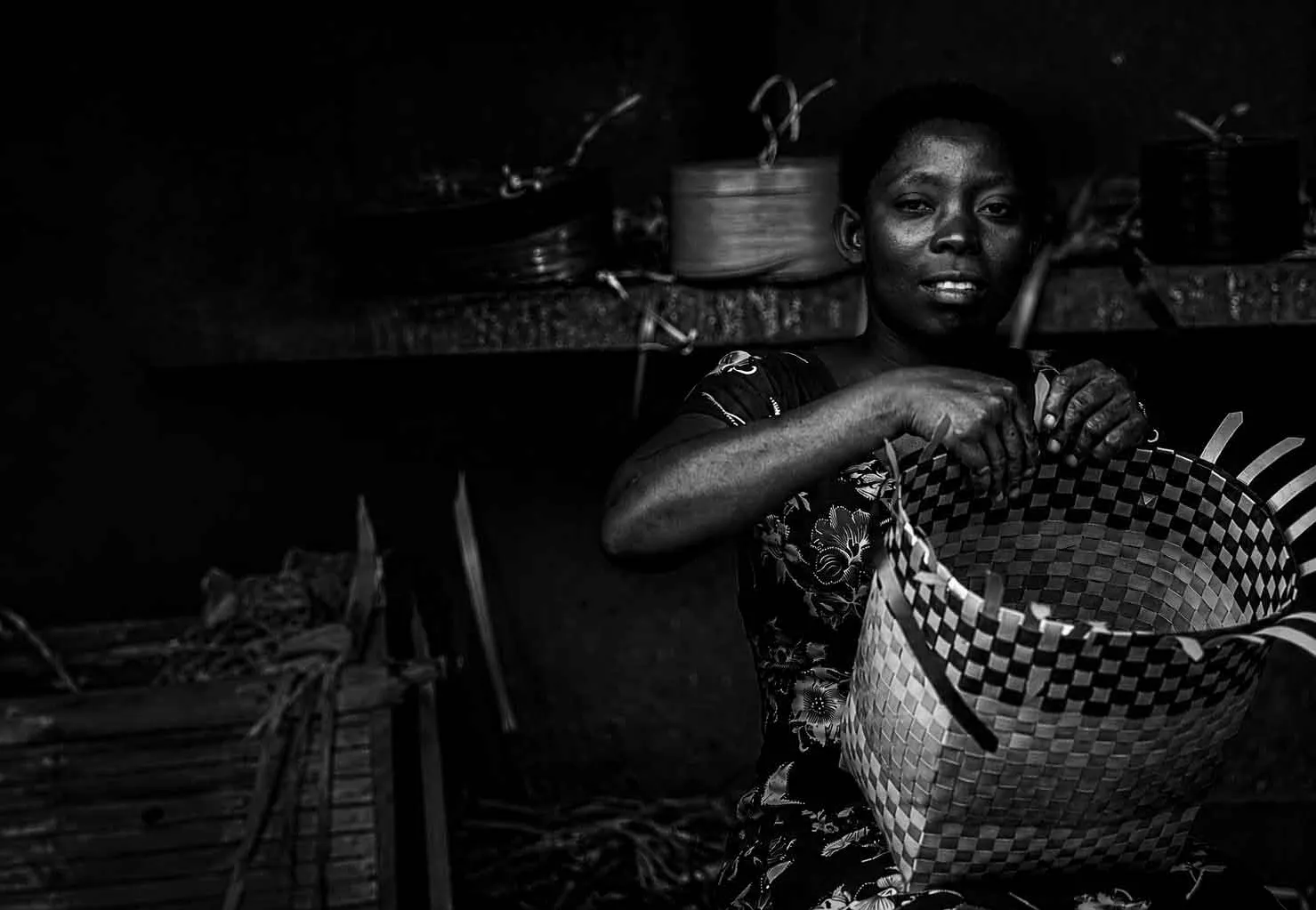
There is a kind of knowledge that rarely makes the headlines, but which sustains cities, builds houses, keeps machines running and solves problems every day. It is the knowledge of the hands. Skilled manual work. The know-how of those who weld, sew, repair engines, shape wood, install electrical systems, build furniture, cut stone, upholster, work metal or turn raw material into something useful.
For decades, these trades were a natural part of Mozambican life. In neighbourhoods, workshops, markets and small family businesses, people learned by observing, repeating and perfecting. Many young people grew up alongside parents, uncles or neighbours who mastered demanding trades, passed on almost always informally, but with enormous technical and human value.
Today, that cycle is beginning to break. In several areas, experienced professionals are approaching retirement without finding anyone willing to carry on the work. Workshops close. Specialist technicians become ever harder to find. Certain skills disappear slowly, almost unrecorded, while new generations seek paths seen as more modern, faster or more socially valued.
The phenomenon is not confined to Mozambique. In different parts of the world, sectors tied to manual work face a lack of generational succession. The difference is that, in countries where a large part of the economy still depends heavily on informality, repair and practical adaptability, the loss of this knowledge can have far deeper impacts.
One only has to look at everyday life. Finding a good locksmith, a specialist mechanic, an experienced carpenter or a technician able to repair old equipment has become harder and, often, more expensive. In some cases, professionals with decades of experience work practically alone, overwhelmed by growing demand.
At the same time, a certain idea is growing that professional success is linked only to office work, the corporate environment or digital professions. Many young people are encouraged from an early age to avoid manual activities, sometimes seen as “less noble”, even when they demand a high technical level, creativity and problem-solving ability. The paradox is plain: while thousands of young people look for work, several companies face real difficulty in finding qualified technical labour.
In Mozambique, this reality becomes even more sensitive when one looks at strategic sectors such as construction, industry, energy, agriculture, mining, hospitality or technical maintenance. These are areas where practical knowledge remains indispensable and where specialised technical training may become decisive in the coming years.
There is also a less discussed cultural dimension. Many of these trades carry methods, languages, techniques and ways of working deeply tied to local identity. In some communities, certain craft knowledge represents decades of adaptation to the climate, the materials available and people's real needs. When they disappear, it is not just a profession that is lost. Collective memory is lost.
Over recent years, some initiatives have sought to restore prestige to technical and vocational education and to practical trades. Technical competitions, training centres, business programmes and projects linked to youth employability are trying to bring young people closer to these areas again. Even so, the challenge remains great.
Perhaps because the problem is not only economic. It is also a question of social perception. In an increasingly automated and digital world, there is a risk of forgetting that there are tasks that still depend on human precision, accumulated experience and practical intelligence. There is knowledge that cannot be learned from quick online videos alone. It requires time, repetition, error, observation and direct contact with those who know how to do it.
And perhaps that is precisely where the real urgency lies. Because when a trade disappears, it rarely disappears alone. With it go techniques, stories, solutions, economic independence and real opportunities for the future.


