
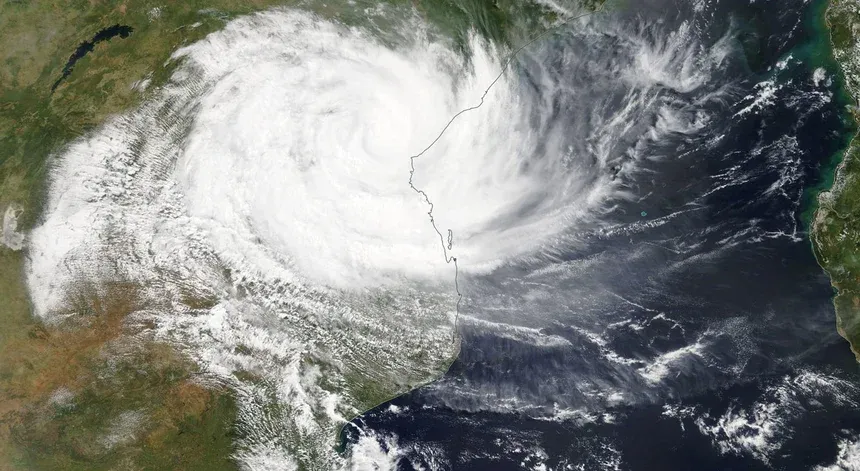
Mozambique is facing yet another challenge after Cyclone Idai devastated the region in 2019. This time it is Cyclone Freddy, which is putting at risk the lives of more than 600,000 people across the country. The cyclone, which formed in the Indian Ocean, is moving slowly towards the coast of Mozambique and could cause flooding, landslides and widespread destruction.
The Mozambican authorities have issued a warning about the arrival of Cyclone Freddy, asking people to prepare for the storm and follow the instructions of the emergency teams. According to Mozambique's National Institute of Meteorology (INAM), the cyclone is expected to hit the country's central coast with strong winds and heavy rain.
The areas most affected by Cyclone Freddy include the provinces of Sofala, Inhambane and Gaza, which were hit by Cyclone Idai in 2019. The authorities are concerned that many of the areas already affected by Idai have not yet fully recovered and are vulnerable to new storms.
The government of Mozambique is working together with humanitarian and international aid organisations to prepare the response to the storm. Emergency teams are prepared to evacuate the most vulnerable areas and provide assistance to those affected by Cyclone Freddy.
However, the country is facing a series of challenges, including the Covid-19 pandemic and the armed conflict in Cabo Delgado, in the north of the country. The authorities are struggling to transport aid supplies and emergency teams to the affected areas, owing to travel restrictions imposed by the pandemic and security risks in the conflict-affected regions.
The international community has already expressed solidarity with the Mozambican people and is ready to provide humanitarian assistance. The Secretary-General of the United Nations, António Guterres, expressed his concern at the situation and asked the international community to support Mozambique in this crisis.
Cyclone Freddy is a reminder of how climate change is affecting communities around the world. Mozambique, like other countries in Southern Africa, is facing increasingly frequent and intense extreme weather events. It is essential that the international community supports Mozambique and other countries affected by climate change, both in responding to emergencies and in building more resilient communities


