
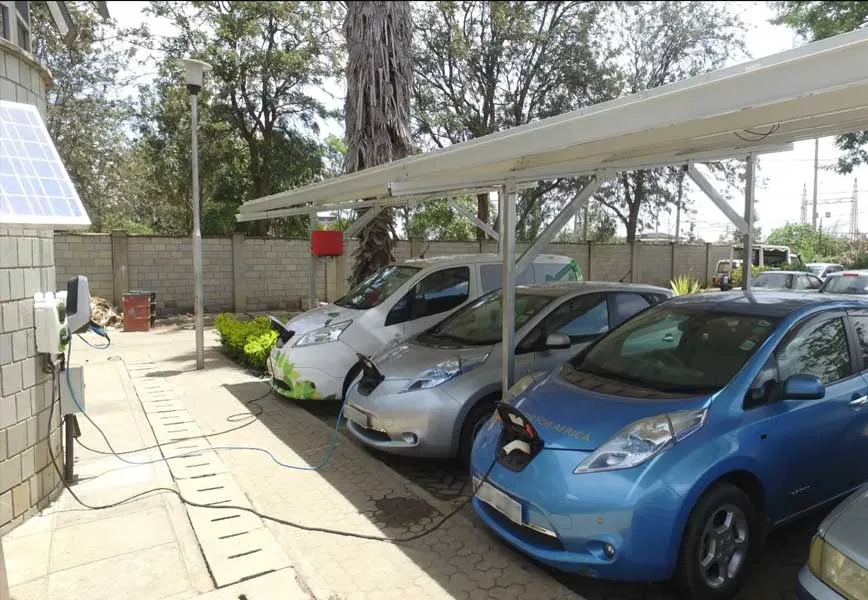
Mozambique's automotive landscape is changing. Electric cars, which for years were merely a futuristic vision, have begun to make their presence felt on Mozambican roads. These vehicles, driven by electric motors and powered by rechargeable batteries, are seen as an ecological alternative to traditional combustion-engine cars, which depend on fossil fuels.
Mozambique has recently joined the list of countries with electric vehicles available for sale. Motocare, Nissan's representative in Mozambique, was a pioneer in putting the Nissan Leaf on sale. These vehicles are not only less polluting and quieter, but also have significantly lower maintenance costs. The advanced technology built into these cars makes them even more attractive to consumers.
The company stressed the importance of Mozambique embracing the global energy transition agenda.
However, the revolution is not limited to importing electric cars. Mozambique has ambitious plans to become a producer and assembler of electric vehicles by 2024. This initiative aims not only to ease the public transport crisis, but also to reduce the country's consumption of fossil fuels.
The production of batteries for electric vehicles is also on the horizon. As one of the world's leading producers of graphite, Mozambique has a competitive advantage. The recent exploitation of the world's largest graphite deposit, in Balama, Cabo Delgado, places the country in a strategic position to meet growing global demand for electric batteries.
However, despite these advances, there are significant challenges to overcome. One of the main obstacles is the lack of adequate infrastructure, namely public charging points. This gap limits the viability of electric cars, especially for long journeys, and may discourage potential buyers.
In this context, it is worth looking at international examples. Stockholm, the capital of Sweden, recently announced that it will ban petrol and diesel cars from 2025. This bold decision aims to improve air quality and the acoustic environment in the city centre, creating a healthier and more pleasant setting for residents and visitors. The measure, which has broad political support, is a clear sign of the direction many cities around the world are taking.
The transition to electric vehicles is not merely a global trend, but an urgent necessity to combat climate change and reduce pollution. Mozambique has the resources and the commitment to lead this revolution on the African continent, but it is essential to invest in charging infrastructure to ensure the success of this transition.


