
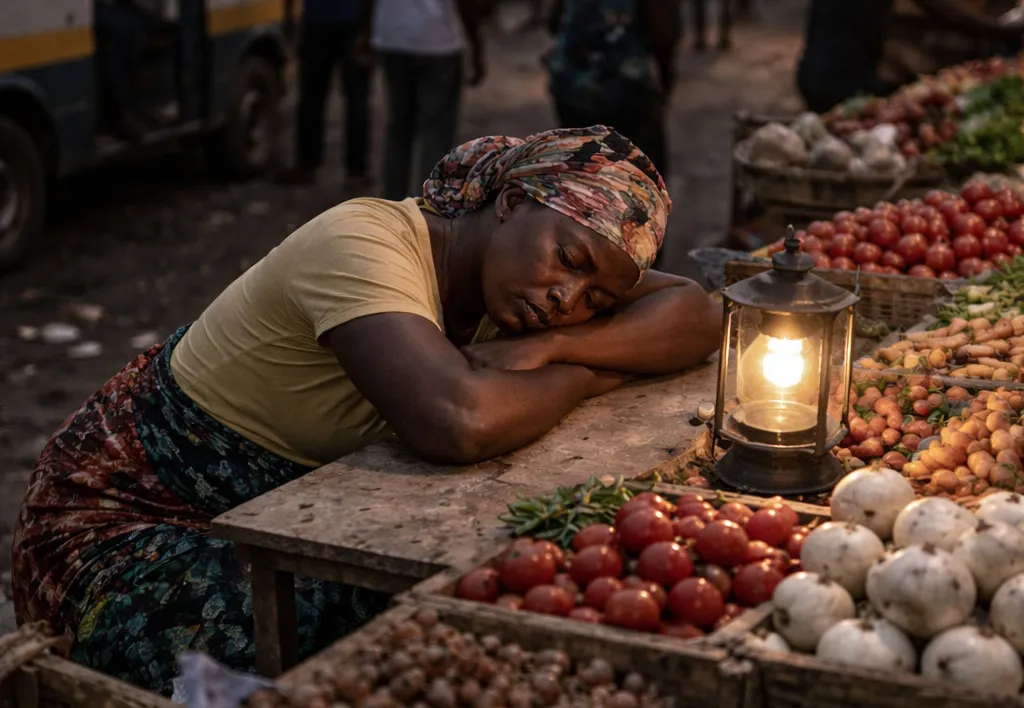
Psychological and physical fatigue is becoming an ever more common reality among Mozambican workers, especially in urban centres, where the rising cost of living, job insecurity and long working days intensify the pressure of daily life.
In markets, public transport, workplaces and public spaces, reports of exhaustion are multiplying. Vendors, employees, informal workers and professionals from different sectors describe routines marked by long hours, multiple activities to supplement their income and a shortage of time for rest.
The situation is made worse by lengthy commutes, disorderly urban growth and the need to support extended families, a common reality in Mozambique. Many workers begin their activities in the early hours and return home only at the end of the day, accumulating professional and family responsibilities.
Economic pressure also contributes to increased wear and tear. The cost of living in the main cities has been rising, forcing many families to seek additional sources of income. This reality translates into less time available for rest and greater physical and psychological demands.
Another factor pointed out is the difficulty of balancing work and family life. In several urban neighbourhoods, it is increasingly common for children to be left in the care of others for much of the day while their parents work. The absence of formal social support networks increases the pressure on families, contributing to a feeling of overload.
In addition, the growing use of mobile phones and digital platforms has extended the time devoted to work and other obligations. Calls, messages and urgent requests keep many workers tied to their responsibilities even outside working hours.
Despite the increase in collective fatigue, many workers continue to see the situation as an individual problem, seeking personal solutions to a phenomenon that experts consider structural.
In Mozambican cities, the fast pace and growing demands have been transforming everyday life, making exhaustion an increasingly visible reality among different sections of the population.


