
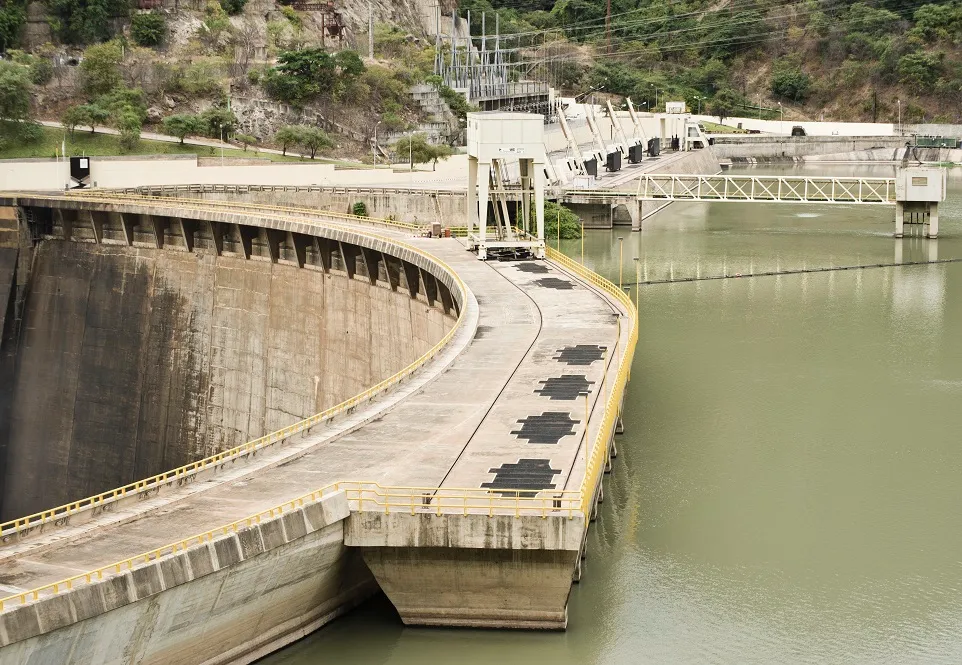
Hidroeléctrica de Cahora Bassa (HCB) recorded in 2024 the biggest profit in its history, reaching a net result of 14.1 billion meticais. This performance led to the approval, at a general meeting held on Monday, of the distribution of dividends worth 7.4 billion meticais.
The Mozambican State, which holds 90% of HCB's capital, will be the main beneficiary, receiving just over 6.5 billion meticais. Tomás Matola, Chairman of the Board of Directors, stressed that this income, together with the taxes and fees paid by the company, will "strengthen the State Budget, which is necessary for the implementation of the country's social programmes".
Compared with 2023, the growth in net profit represents an increase of 8.48%, underpinned by total output of 15,753.52 gigawatt-hours (GWh) and by the adjustment of energy export tariffs.
Since the reversion agreed with Portugal in 2007, HCB's ownership structure has remained stable: besides the State's majority holding, Portugal's Redes Energéticas Nacionais (REN) holds 7.5%, and Electricidade de Moçambique holds 2.5%.
Between 2022 and 2024, the company contributed more than 32,869 million meticais in taxes and fees to the State. Of this amount, 23,172.45 million meticais correspond to taxes such as VAT, personal income tax and corporate income tax, while 9,696.72 million meticais were paid as a concession fee, which represents 37% of all the company's contributions over the past 17 years.
Even in a regional context of prolonged drought since the 2023/24 hydrological year, HCB has ensured stable output. In January this year, the company reported a slight recovery in the reservoir's storage levels, reaching 21.7%, above the initial forecast of 19%. This recovery has made it possible to keep supplying energy to the country, South Africa and other nations in the southern region.
Located in Tete province, the Cahora Bassa reservoir is the fourth largest in Africa, 270 kilometres long and 30 kilometres wide, with an area of 2,700 square kilometres and an average depth of 26 metres. The company employs about 800 workers.
In a country where energy is a pillar of development, Cahora Bassa reaffirms itself as one of Mozambique's great economic and social anchors.


