
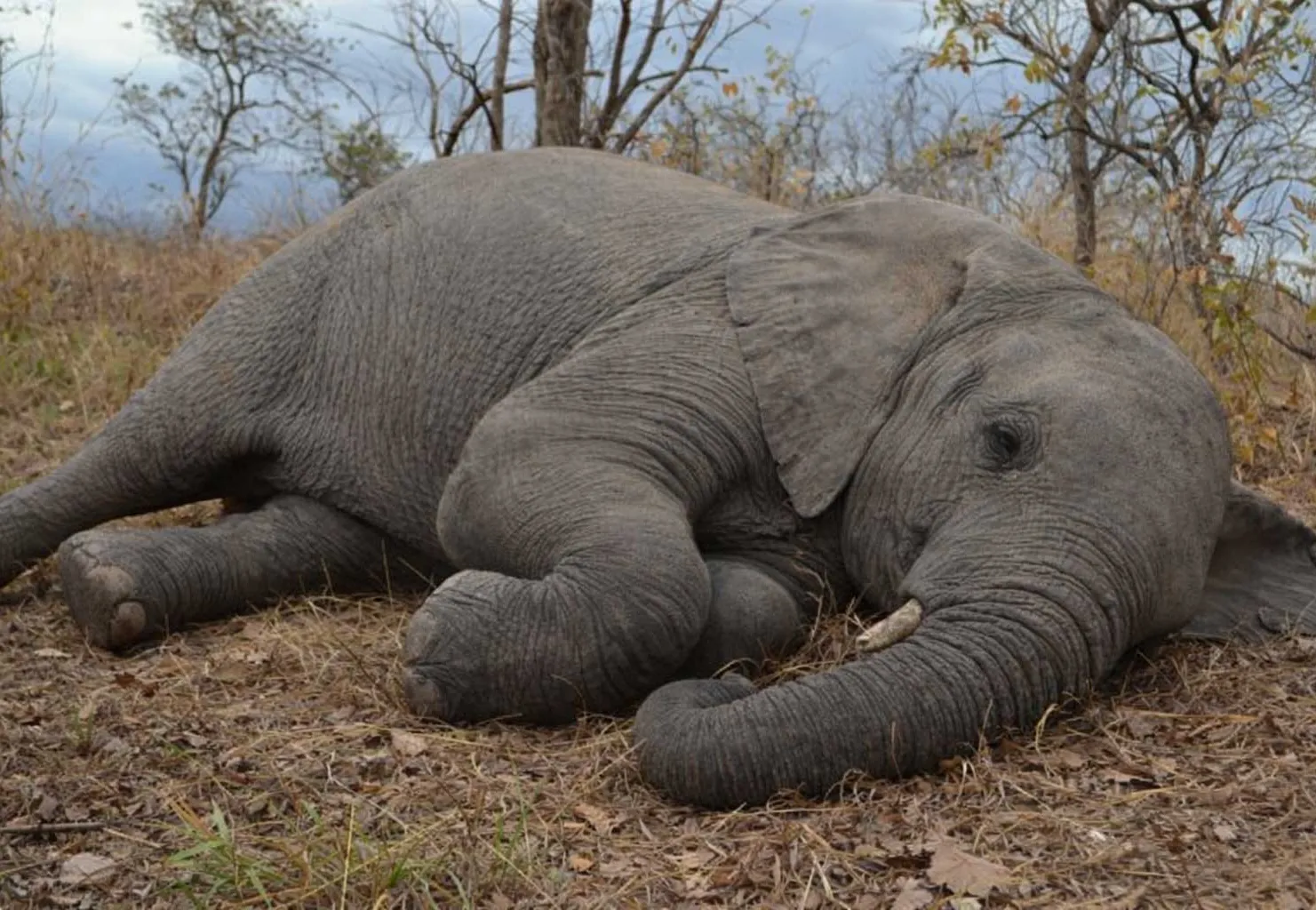
Mozambique has taken a decisive step in protecting biodiversity by developing a new metric designed to measure the impact of development projects on the African elephant — an emblematic species classified as “endangered” by the International Union for Conservation of Nature (IUCN).
The initiative was announced in a statement from the Foundation for the Conservation of Biodiversity (Biofund), seen on Tuesday by the Lusa news agency. According to the statement, the creation of the metric reinforces the commitment of the Mozambican Government and its partners to “innovative technical solutions” that promote a balance between economic growth and environmental preservation.
The process culminated on 29 January with a workshop to validate the metric, organised by the COMBO+ Programme — a partnership between the Wildlife Conservation Society (WCS), Biofund and the Ministry of Agriculture, Environment and Fisheries, through the National Directorate for the Environment and Climate Change.
“The meeting marked an important step in strengthening the technical instruments for assessing biodiversity losses and gains associated with development projects in the country”, the Biofund statement stresses.
The new metric comes at a time when the country faces growing pressure on its ecosystems, notably owing to the expansion of infrastructure, the fragmentation of natural habitats and recurring conflicts between communities and wildlife. The tool now created should allow a more rigorous assessment of environmental impacts, as well as the definition of more effective compensatory measures.
This is already the fifth metric developed under the COMBO+ Programme, following those for coral reefs, miombo forests, mangroves and seagrass.
According to data from the National Administration of Conservation Areas (ANAC), Mozambique currently has about ten thousand elephants — a population still vulnerable to poaching, driven above all by international demand for ivory.


