
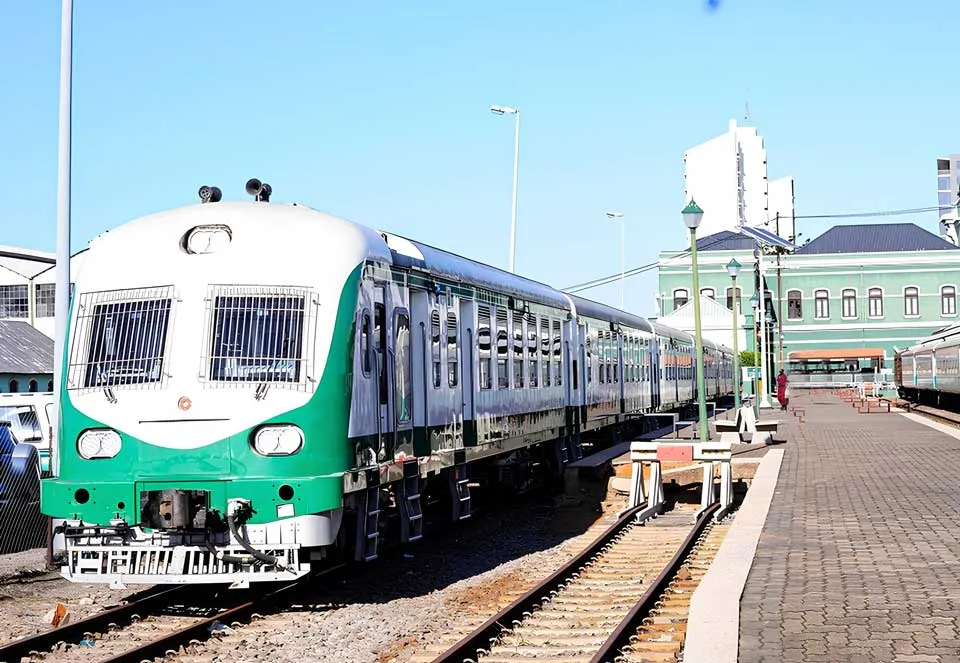
In a strategic move to boost the efficiency and competitiveness of rail transport, the African Development Bank (AfDB) has committed to strengthening Mozambique's infrastructure through a substantial loan. The AfDB will provide 40 million dollars to Portos e Caminhos de Ferro de Moçambique (CFM), for the specific purpose of acquiring crucial rail equipment, including 10 locomotives, 300 wagons and 120 tank containers.
This financing, approved on the last day of January, falls within CFM's strategic plan for 2021 to 2024, and aims not only to improve logistics and reduce transport costs, but also to foster a more effective and economical transport system. The AfDB stresses its intention to raise a further 30 million dollars from other sources to bolster the project still further.
The initiative promises to transform Mozambique's transport sector significantly, by improving access to essential infrastructure, reducing road congestion and journey times, and helping to reduce accidents. These changes have the potential to shift a considerable volume of road traffic onto the railways, offering a safer and less polluting alternative.
Beyond the immediate impact on logistical efficiency, the AfDB anticipates an increase in the use of freight transport services and ports by private companies, thereby stimulating the local economy through greater engagement with local suppliers and demand for a variety of services. The project is expected to increase Mozambique's foreign-currency earnings significantly, with growth projected from 225 million dollars in 2022 to 360 million dollars in 2036, while also generating a cumulative total of one billion dollars in tax revenue for the Government over this period.
With the implementation of this project, a significant net saving in carbon emissions is also expected, totalling 744,511 kt of CO2 from 2023 to 2035, reinforcing Mozambique's commitment to environmental sustainability and the fight against climate change.
This AfDB loan to CFM symbolises more than a financial investment; it represents a decisive step towards a greener, more efficient and economically viable future for Mozambique.


